Azathioprine (AZA) is a medication used in the management and treatment of active rheumatoid arthritis (RA) and the prevention of kidney transplant rejection. This activity reviews the indications, action, and contraindications for azathioprine as a valua + some more technical info. Azathioprine is a purine analog prodrug that is nonenzymatically converted to 6-mercaptopurine 6-MP and subsequent thioguanine nucleotides which are incorporated into DNA and RNA, inhibiting de novo purine synthesis and preferentially suppressing proliferating lymphocytes. Metabolism is influenced by thiopurine S-methyltransferase TPMT and xanthine oxidase pathways, with low TPMT activity increasing risk of myelosuppression and xanthine oxidase inhibitors increasing systemic exposure to active metabolites. Clinically onset of meaningful immunosuppression is delayed and often requires weeks to months of therapy; monitoring includes complete blood counts and liver function tests. Key indications include steroid-sparing maintenance therapy in autoimmune disorders such as RA, and prevention of allograft rejection in renal transplantation. Major contraindications and cautions include pregnancy risk-benefit assessment, severe bone marrow suppression, active serious infection, known hypersensitivity to azathioprine or its metabolites, and patients with markedly reduced TPMT activity unless dose adjustments are made. Formulation stability, drug interactions for example with allopurinol and febuxostat, and individual pharmacogenetic testing for TPMT or NUDT15 variants are relevant technical considerations for safe use.

Parent: Azathioprine
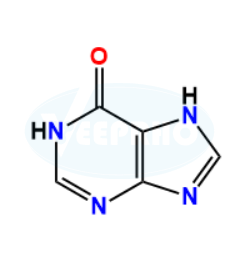
Parent: Azathioprine/ Didanosine/ Mercaptopurine

Parent: Azathioprine

Parent: Azathioprine / Diphenhydramine / tamoxifen
Azathioprine APIs and finished products are typically characterized for related substances including 6-mercaptopurine 6-MP the principal active metabolite, methyl-nitroimidazole related ring cleavage products, and minor oxidative or hydrolytic degradants. Typical quality control acceptance criteria used in regulatory dossiers and compendial monographs set 6-mercaptopurine at low limits for API purity often around 0.1 to 0.2 percent w/w as an individual specified impurity, with other single related substances commonly limited to 0.2 to 0.5 percent w/w and total related substances limited to approximately 1.0 percent w/w. Reporting and identification thresholds follow ICH Q3A principles so reporting limits may be set at 0.05 to 0.1 percent depending on maximum daily dose and regulatory expectations. Stability testing also monitors for conversion to 6-MP and for nitroimidazole-derived residues under forced degradation and storage conditions so specification limits and analytical methods such as HPLC with UV or MS detection are validated to quantify these impurities.
Azathioprine is a prodrug that is converted to 6-mercaptopurine and further to thioguanine nucleotides which inhibit de novo purine synthesis and become incorporated into nucleic acids, disrupting DNA and RNA synthesis in rapidly dividing cells, particularly T and B lymphocytes, thereby reducing lymphocyte proliferation and cell-mediated immune responses.
„Better“ depends on the indication, patient profile, and safety considerations. Methotrexate and azathioprine have different mechanisms and toxicity profiles; methotrexate is often preferred as first-line disease-modifying therapy in rheumatoid arthritis while azathioprine may be chosen for steroid-sparing maintenance in certain autoimmune diseases or in transplant immunosuppression. Choice should be individualized based on efficacy data for the specific condition, contraindications, comorbidities, monitoring capabilities, and pharmacogenetic factors such as TPMT or NUDT15 activity for azathioprine.
No, azathioprine is not a steroid. It is an antimetabolite immunosuppressant in the purine analog class that reduces lymphocyte proliferation by interfering with nucleic acid synthesis rather than acting through steroid hormone receptor mechanisms.
Yes, azathioprine is used as a steroid-sparing maintenance agent in Crohn’s disease to help maintain remission and reduce corticosteroid dependence. Its onset of effect can be delayed so it is used for maintenance rather than for rapid induction of remission, and careful monitoring and dose adjustments based on TPMT or NUDT15 status and laboratory tests are recommended.


