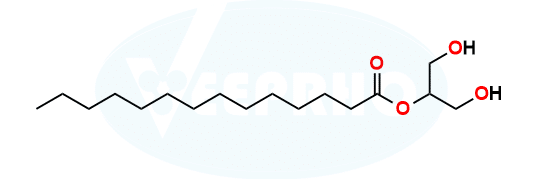
Glycerol is a simple triol compound. It is a colorless, odorless, sweet-tasting, viscous liquid. The glycerol backbone is found in lipids known as glycerides. It is also widely used as a sweetener in the food industry and as a humectant in pharmaceutical products. Technically, glycerol is propane-1,2,3-triol with molecular formula C3H8O3 and molar mass about 92.09 g mol^-1; it is fully miscible with water and polar solvents, has a high boiling point and low vapor pressure relative to lower molecular weight alcohols, and displays good thermal stability under neutral conditions. In formulation and process chemistry glycerol functions as a polar solvent and stabilizer, cryoprotectant for biologicals, viscosity modifier, and a chemical intermediate for esterification and etherification reactions including production of mono- and diglycerides, glycerol ethers and nitrate derivatives.

Parent: Glycerol
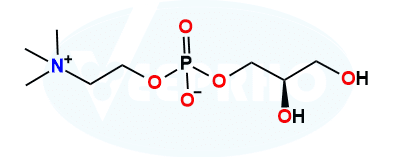
Parent: Glycerol

Parent: Glycerol
Commercial glycerol specifications depend on grade and source; pharmaceutical and food grades are highly purified while crude glycerol from biodiesel or soap processes contains significant related compounds. Typical refined grades (USP, Ph. Eur., food) are commonly specified at approximately 99.5 percent glycerol by weight with residual water in the range of a few tenths of a percent to about 1 percent, trace inorganic ash at parts per million to low hundred parts per million, and methanol and low molecular weight alcohols at trace levels well below 0.1 percent. By contrast crude glycerol streams can contain widely varying amounts of glycerol, commonly 40 to 80 percent, with impurities that may include methanol (up to several percent depending on recovery), soaps and free fatty acids (several percent), unreacted triglycerides and mono or diglycerides, salts and ash (percent to single-digit percent levels), water (several percent to tens of percent) and minor organic byproducts such as acetins, glycol ethers and dehydration products like acrolein if subjected to overheating. Suppliers provide certificates of analysis listing specific limits for methanol, water content, ash, chloride, sulfate, residual solvents and mono/diglyceride content; these limits should be checked against the intended application when sourcing glycerol.
C3H8O3, also named propane-1,2,3-triol, with a molar mass of about 92.09 g mol^-1.
There is no single universal designation called glycerol class 10 in international chemical nomenclature or major pharmacopeias. The term may be used internally by a supplier or within a specific regulatory or industrial framework to denote a particular purity grade or handling category. Confirm the intended meaning with the supplier or standard-setting organization that issued the class designation.
Yes. Glycerin is a widely used humectant and skin-conditioning agent; it attracts and retains water, improves hydration and skin barrier function, and is compatible with many formulations. Typical topical concentrations range from low single digits up to around 10 to 20 percent in many products, with higher concentrations used in some formulations. It is generally well tolerated but formulation context, ambient humidity and individual sensitivity influence performance and feel.
Glycerol is a trihydroxy alcohol used as a solvent, humectant, sweetener, cryoprotectant, viscosity modifier and chemical intermediate. In pharmaceuticals and cosmetics it stabilizes formulations and retains moisture. In food it serves as a sweetener and texture modifier. In industrial chemistry it is a feedstock for synthesis of esters, ethers and nitrates and a component in antifreeze and polymer production.