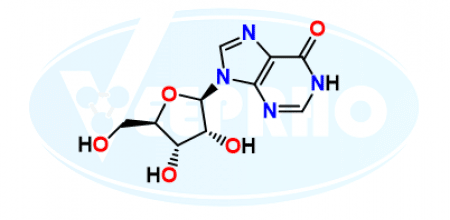
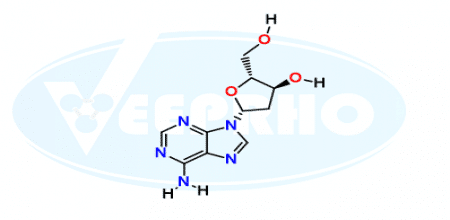
Adenosine is a naturally occurring nucleoside that plays a vital role in cellular energy transfer, neurotransmission, and cardiovascular function. It is a key component of adenosine triphosphate (ATP), cyclic adenosine monophosphate (cAMP), and RNA. In medicine, adenosine is used as an antiarrhythmic agent to treat supraventricular tachycardia (SVT) by slowing down the heart rate through its effects on the atrioventricular (AV) node.
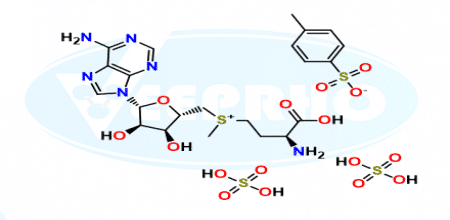
Parent: Adenosine
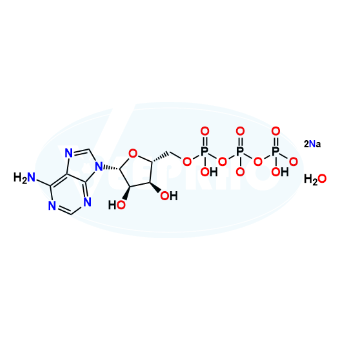
Parent: Adenosine

Parent: Adenosine

Parent: Adenosine

Parent: Adenosine

Parent: Adenosyl-L-Methionine

Parent: Adenosine

Parent: Adenosine
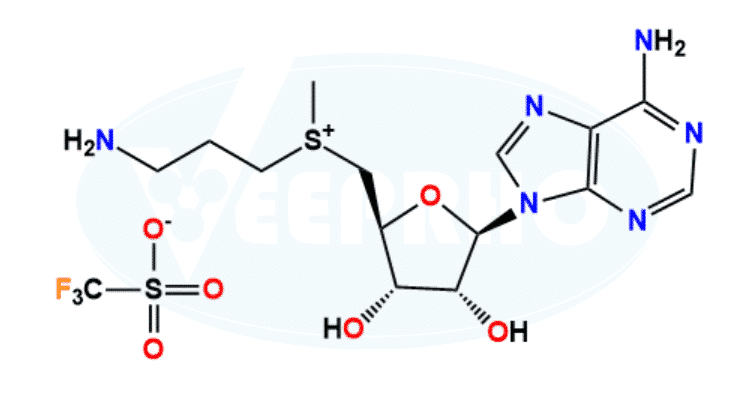
Parent: Adenosine

Parent: Adenosine

Parent: Adenosine

Parent: Adenosine

Parent: Adenosine
![8-Amino[1''-(N''-dansyl)-4''-aminobutyl]-5'-(1-aziridinyl)-5'-deoxy adenosine](https://veeprho.com/wp-content/uploads/2022/07/8-Amino5B1-N-dansyl-4-aminobutyl5D-5-1-aziridinyl-5-deoxy-adenosine.png "8-Amino[1''-(N''-dansyl)-4''-aminobutyl]-5'-(1-aziridinyl)-5'-deoxy adenosine")
Parent: Adenosine

Parent: Adenosine
Impurities in adenosine can arise due to synthetic processes, degradation, or storage conditions, potentially impacting its effectiveness and safety.
Related Substances
These are structurally similar compounds that may form during chemical synthesis or enzymatic reactions. Proper control of these impurities ensures high purity and stability.
Degradation Products
Adenosine is prone to degradation, especially when exposed to light, heat, or enzymatic hydrolysis. Degradation can lead to the formation of inosine, hypoxanthine, or adenine, which may impact its therapeutic function.
Residual Solvents
Trace amounts of solvents used in the manufacturing process may remain in the final formulation. These solvents need to be monitored to comply with regulatory standards for drug safety.
Analytical Techniques for Monitoring Impurities
Techniques such as High-Performance Liquid Chromatography (HPLC) and Mass Spectrometry (MS) are commonly used to detect and quantify impurities in adenosine formulations.
Adenosine has multiple biological functions. It plays a crucial role in energy transfer (as ATP), neurotransmission, and vasodilation. Medically, it is used to slow down the heart rate in supraventricular tachycardia (SVT).
Adenosine is primarily used to treat paroxysmal supraventricular tachycardia (PSVT) by temporarily slowing conduction through the AV node. It is also used in stress tests for coronary artery disease.
Adenosine temporarily blocks AV node conduction, which can lead to a brief period of asystole (no heartbeat) lasting a few seconds before normal heart rhythm resumes. This effect is why adenosine is sometimes described as “stopping the heart” momentarily.
Yes, adenosine is a neurotransmitter that promotes sleep by inhibiting wake-promoting neurons in the brain. Caffeine blocks adenosine receptors, preventing its sleep-inducing effects and increasing alertness.