
Azathioprine Impurities
Request a quote for a set
- Request quote for this set
All EP impurities of Azathioprine
7 productsSee the 7 products
- Azathioprine EP Impurity A VL4730001
CAS 4531-54-8 - Azathioprine EP Impurity C VL4730002
CAS 4897-25-0 - Azathioprine EP Impurity D VL4730006
CAS 6339-54-4 - Azathioprine EP Impurity E VL4730005
CAS 73703-74-9 - Azathioprine EP Impurity E Sodium Salt VE0012541
CAS 35681-68-6 - Azathioprine EP Impurity F VL4730008
CAS 68-94-0 - Azathioprine EP Impurity G VL4730003
CAS 5581-52-2
- Azathioprine EP Impurity A VL4730001
- Request quote for this set
All USP impurities of Azathioprine
3 productsSee the 3 products
- Azathioprine EP Impurity A VL4730001
CAS 4531-54-8 - Azathioprine EP Impurity F VL4730008
CAS 68-94-0 - Azathioprine EP Impurity G VL4730003
CAS 5581-52-2
- Azathioprine EP Impurity A VL4730001
- Request quote for this set
All nitrosamine impurities of Azathioprine
2 productsSee the 2 products


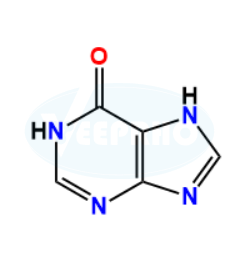


1–15 of 15 results14 in stock
| Structure | Product Name |
|---|---|
| Azathioprine EP Impurity ACAS No. 4531-54-8 · VL4730001 · In stock | |
| Azathioprine EP Impurity BCAS No. 157930-13-7 · VE008748 · In stock | |
| Azathioprine EP Impurity CCAS No. 4897-25-0 · VL4730002 · In stock | |
| Azathioprine EP Impurity DCAS No. 6339-54-4 · VL4730006 · In stock | |
| Azathioprine EP Impurity ECAS No. 73703-74-9 · VL4730005 · In stock | |
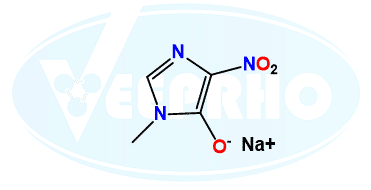 | Azathioprine EP Impurity E Sodium SaltCAS No. 35681-68-6 · VE0012541 · In stock |
| Azathioprine EP Impurity FCAS No. 68-94-0 · VL4730008 · In stock | |
| Azathioprine EP Impurity GCAS No. 5581-52-2 · VL4730003 · In stock | |
 | Azathioprine Impurity 1VE0010939 · In stock |
| Azathioprine Impurity 15CAS No. 304441-05-2 · VE0017978 · In stock | |
 | Azathioprine Impurity 19CAS No. 108372-41-4 · VE0012525 · In stock |
| Azathioprine Sulfone impurityVE0021604 · In stock | |
| Diphenylmethyl MesylateCAS No. 135513-20-1 · VE0021601 · In stock | |
| N-Nitroso AzathioprineVE0021586 | |
| 9-MethylazathioprineCAS No. 304441-06-3 · VE0022828 · In stock |
Azathioprine Impurities and Related Compound
Azathioprine APIs and finished products are typically characterized for related substances including 6-mercaptopurine 6-MP the principal active metabolite, methyl-nitroimidazole related ring cleavage products, and minor oxidative or hydrolytic degradants. Typical quality control acceptance criteria used in regulatory dossiers and compendial monographs set 6-mercaptopurine at low limits for API purity often around 0.1 to 0.2 percent w/w as an individual specified impurity, with other single related substances commonly limited to 0.2 to 0.5 percent w/w and total related substances limited to approximately 1.0 percent w/w. Reporting and identification thresholds follow ICH Q3A principles so reporting limits may be set at 0.05 to 0.1 percent depending on maximum daily dose and regulatory expectations. Stability testing also monitors for conversion to 6-MP and for nitroimidazole-derived residues under forced degradation and storage conditions so specification limits and analytical methods such as HPLC with UV or MS detection are validated to quantify these impurities.
FAQ
What is the mechanism of action of azathioprine immunosuppression?
Azathioprine is a prodrug that is converted to 6-mercaptopurine and further to thioguanine nucleotides which inhibit de novo purine synthesis and become incorporated into nucleic acids, disrupting DNA and RNA synthesis in rapidly dividing cells, particularly T and B lymphocytes, thereby reducing lymphocyte proliferation and cell-mediated immune responses.
Which is better, azathioprine or methotrexate?
"Better" depends on the indication, patient profile, and safety considerations. Methotrexate and azathioprine have different mechanisms and toxicity profiles; methotrexate is often preferred as first-line disease-modifying therapy in rheumatoid arthritis while azathioprine may be chosen for steroid-sparing maintenance in certain autoimmune diseases or in transplant immunosuppression. Choice should be individualized based on efficacy data for the specific condition, contraindications, comorbidities, monitoring capabilities, and pharmacogenetic factors such as TPMT or NUDT15 activity for azathioprine.
Is azathioprine a steroid or not?
No, azathioprine is not a steroid. It is an antimetabolite immunosuppressant in the purine analog class that reduces lymphocyte proliferation by interfering with nucleic acid synthesis rather than acting through steroid hormone receptor mechanisms.
Is azathioprine used for Crohn's disease?
Yes, azathioprine is used as a steroid-sparing maintenance agent in Crohn’s disease to help maintain remission and reduce corticosteroid dependence. Its onset of effect can be delayed so it is used for maintenance rather than for rapid induction of remission, and careful monitoring and dose adjustments based on TPMT or NUDT15 status and laboratory tests are recommended.