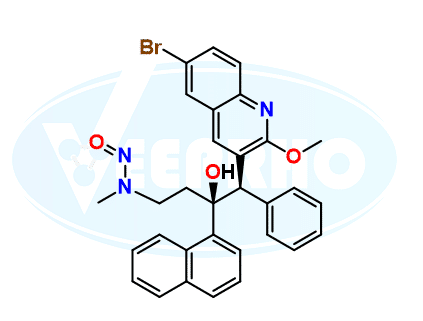
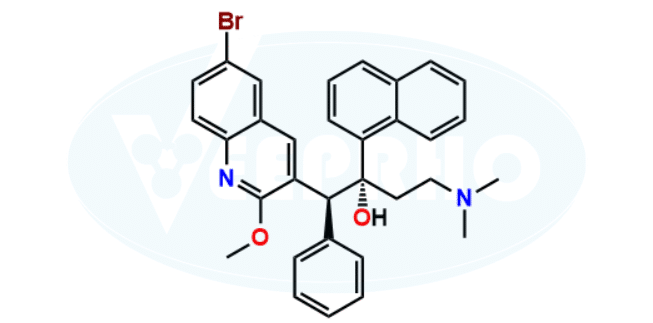
Bedaquiline, sold under the brand name Sirturo, is a diarylquinoline antimycobacterial agent indicated for the treatment of active tuberculosis, specifically for use in combination with other antituberculosis drugs for certain cases of multi drug resistant tuberculosis. It is administered orally and exhibits potent bactericidal activity against Mycobacterium tuberculosis through selective inhibition of the mycobacterial ATP synthase. Bedaquiline is extensively distributed into tissues and displays a long terminal half life measured in months, with elimination affected by hepatic metabolism primarily via CYP3A4; dosing for adults with drug resistant tuberculosis commonly begins with 400 mg once daily for two weeks followed by 200 mg three times weekly in combination therapy, and clinical use requires monitoring of liver enzymes and cardiac repolarization because of potential hepatotoxicity and QT interval prolongation.

Parent: Bedaquiline / Bedaquiline Fumarate
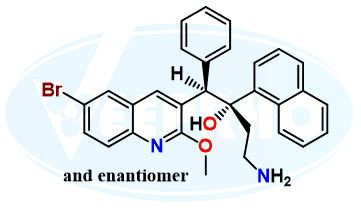
Parent: Bedaquiline

Parent: Bedaquiline

Parent: Bedaquiline
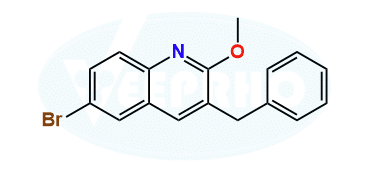
Parent: Bedaquiline
API manufacturers and quality control laboratories typically characterize and limit both process related and degradation impurities, including related compounds such as N monotdesmethyl bedaquiline (a principal metabolite), minor hydroxylated or dealkylated analogs, and other synthetic by products; industry practice is to qualify and control known related substances at low levels and to apply ICH guided thresholds for unknowns, with typical product specifications setting limits for individual known or unknown impurities in the low tenths of a percent and total related compounds at about one to two percent by weight, while potentially genotoxic impurities are controlled to much lower acceptable intake levels consistent with ICH M7, and routine release testing uses validated HPLC or LC MS methods to quantify and identify these species.
Bedaquiline is a diarylquinoline antimycobacterial agent that is bactericidal against Mycobacterium tuberculosis and is used as part of combination regimens to treat multidrug resistant tuberculosis.
The boxed warning highlights an observed imbalance in all cause mortality in clinical trials and the risk of QT interval prolongation; bedaquiline should be used when effective treatment cannot otherwise be provided, and patients should have cardiac monitoring and assessment of risks and benefits prior to and during therapy.
Bedaquiline inhibits the mycobacterial ATP synthase enzyme, binding to the c subunit and blocking proton translocation, which collapses ATP generation in the bacterium and leads to bactericidal activity against replicating and non replicating mycobacteria.
Common and clinically important adverse reactions include nausea, arthralgia, headache, elevated hepatic transaminases and hepatotoxicity, and QT interval prolongation; less frequent events reported in studies include chest pain, hemoptysis and increased mortality in one trial, so liver function tests and ECG monitoring are recommended during therapy and drug interactions, especially with strong CYP3A4 inducers or other QT prolonging agents, should be avoided or managed carefully.