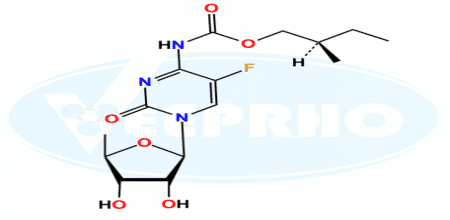
Capecitabine, sold under the brand name Xeloda among others, is an anticancer medication used to treat breast cancer, gastric cancer, and colorectal cancer. For breast cancer, it is often used in combination with docetaxel. Capecitabine is a prodrug that is taken by mouth and is metabolized into 5-fluorouracil (5-FU) in the body, which interferes with cancer cell DNA synthesis and growth.

Parent: Capecitabine

Parent: Capecitabine

Parent: Capecitabine
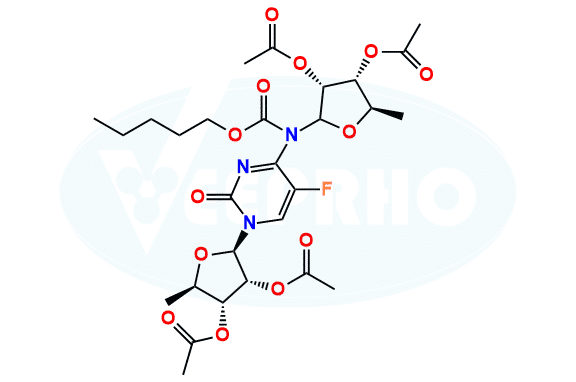
Parent: Capecitabine

Parent: Capecitabine

Parent: Capecitabine

Parent: Capecitabine

Parent: Capecitabine

Parent: Capecitabine

Parent: Capecitabine

Parent: Capecitabine

Parent: Capecitabine
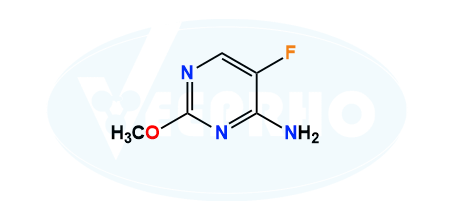
Parent: Capecitabine
Impurities in Capecitabine can arise due to chemical synthesis, degradation, or storage conditions. Regulatory agencies such as the FDA, EMA, and ICH enforce strict impurity limits to ensure drug purity, stability, and efficacy.
Process-Related Impurities
• Unreacted precursors from the chemical synthesis process
• Residual solvents (e.g., methanol, ethanol, acetone) used during manufacture
• By-products generated during the synthesis of the prodrug
Degradation Impurities
• Oxidation by-products that may form upon exposure to air or light
• Hydrolysis products due to moisture exposure
• Thermal degradation compounds formed at elevated temperatures
Elemental Impurities
• Heavy metal residues originating from catalysts or reagents
• Trace levels of metals such as lead, arsenic, cadmium, and mercury
Analytical Techniques for Impurity Detection
• High-Performance Liquid Chromatography (HPLC)
• Gas Chromatography (GC)
• Fourier-Transform Infrared Spectroscopy (FT-IR)
• Mass Spectrometry (MS)
• Avoid exposure to others’ bodily fluids: As Capecitabine is a cytotoxic agent, patients should take precautions to minimize accidental exposure to family members or caregivers, especially during handling of body fluids.
• Avoid direct contact with broken tablets or residues: Handling Capecitabine without gloves or proper precautions can lead to unintended skin exposure.
• Avoid sun exposure: Some patients are advised to limit excessive sun or UV exposure since chemotherapy drugs can increase photosensitivity.
• Avoid alcohol: It may exacerbate certain side effects like gastrointestinal upset.
• Handling precautions: Capecitabine is a chemotherapy agent and can be hazardous if it comes into direct contact with the skin.
• Risk of exposure: Direct contact with the powder or residues can lead to unintended absorption, potentially causing local irritation or systemic exposure.
• Proper handling required: Always use gloves and follow safety guidelines when handling the medication, particularly in its raw or powdered form.
• Hand-foot syndrome (Palmar-Plantar Erythrodysesthesia): This is one of the most common side effects and is characterized by redness, swelling, pain, and peeling of the skin on the palms of the hands and soles of the feet.
• Other common side effects include diarrhea, nausea, fatigue, and abdominal pain.
• Onset of side effects: Side effects can begin to appear within the first week of treatment, although the most notable effects, such as hand-foot syndrome, often develop within 1 to 2 weeks after starting therapy.
• The timing can vary depending on individual patient factors, dosage, and treatment schedule.