Cyclophosphamide Impurities

Cyclophosphamide is a chemotherapy medication widely used to treat various cancers, including ovarian cancer, breast cancer, cancers of the blood and lymphatic system, and nerve cancers (mainly in children). It is also prescribed for retinoblastoma (a type of eye cancer in children), multiple myeloma (bone marrow cancer), and mycosis fungoides (a type of skin tumor). Cyclophosphamide works by interfering with the DNA of cancer cells, preventing their growth and replication. Cyclophosphamide is typically administered intravenously or orally under the supervision of healthcare professionals. It is also sometimes used in lower doses for autoimmune disorders such as lupus or rheumatoid arthritis due to its immunosuppressive effects.

Request a quote for a set

1–40 of 40 results33 in stock

StructureProduct NameCAS No.Cat No.Availability
H2NPOOHONClClAlcocyclophosphamideC7H17Cl2N2O3PCAS No. 52336-54-6 · VE0013969 · In stock52336-54-6VE0013969In stock
H2NPOOOHONClClCarboxyphosphamideC7H15Cl2N2O4PCAS No. 22788-18-7 · VE0013965 · In stock22788-18-7VE0013965In stock
Structure of Chlorodiazinonyl Pentahydroxyhexyl PhosphateChlorodiazinonyl Pentahydroxyhexyl PhosphateC13H30ClN2O9PVE006892VE006892Under Development
Structure of Chlorodiazinonyl PhosphamideChlorodiazinonyl PhosphamideC7H18ClN2O4PCAS No. 2810251-24-0 · VE0068942810251-24-0VE006894Under Development
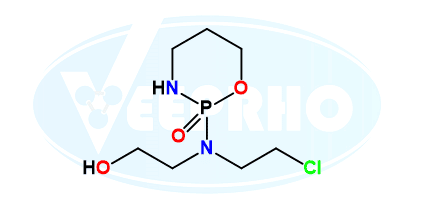
OPNOHClHNOCyclophosphamide EP Impurity AC7H16ClN2O3PCAS No. 1797009-12-1 · VE00105801797009-12-1VE0010580Not Available
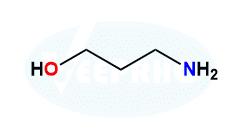
H2NOHCyclophosphamide EP Impurity GC3H9NOCAS No. 156-87-6 · VE0014596 · In stock156-87-6VE0014596In stock
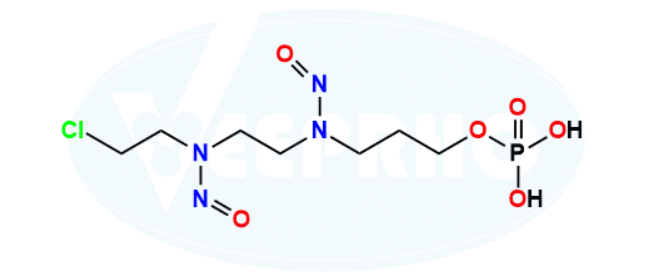
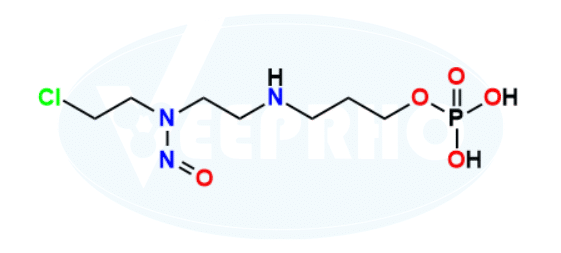
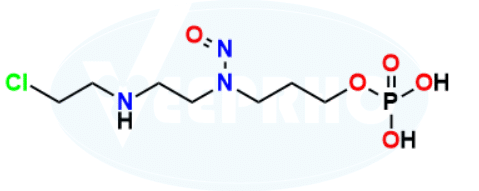
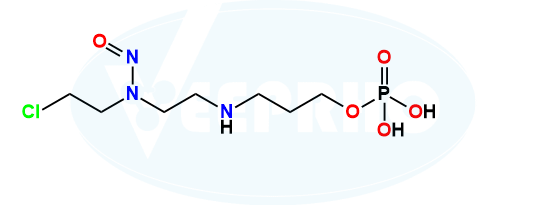
Structure of Cyclophosphamide Impurity 2 (HCl Salt)Cyclophosphamide Impurity 2 (HCl Salt)C9H22ClN2O4P. HClVE0013963 · In stockVE0013963In stock
Structure of Cyclophosphamide Impurity 3 (2HCl)Cyclophosphamide Impurity 3 (2HCl)C7H19N2O5P. 2 HClVE0013964 · In stockVE0013964In stock
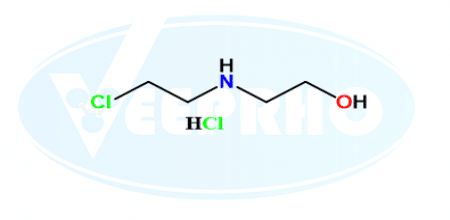
Structure of Cyclophosphamide Impurity 11Cyclophosphamide Impurity 11C4H10ClNO. HClCAS No. 2576-29-6 · VL165004 · In stock2576-29-6VL165004In stock
Structure of Cyclophosphamide Impurity 14Cyclophosphamide Impurity 14C13H29N2O9PVE0014550 · In stockVE0014550In stock
H2NOPOHONClClCyclophosphamide Impurity 19C7H17Cl2N2O3PCAS No. 3308-51-8 · VE0013977 · In stock3308-51-8VE0013977In stock
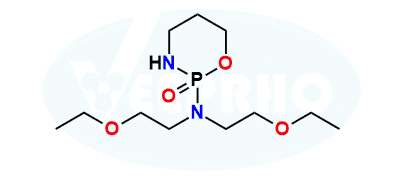
ONClPOHNOCyclophosphamide Impurity 20C9H20ClN2O3PCAS No. 2387771-96-0 · VE0013978 · In stock2387771-96-0VE0013978In stock
Structure of Cyclophosphamide Impurity 21Cyclophosphamide Impurity 21C11H25N2O4PVE0013979 · In stockVE0013979In stock
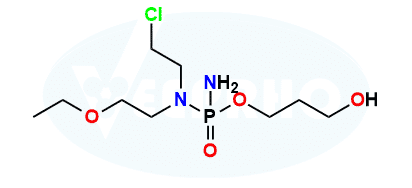
Structure of Cyclophosphamide Impurity 22Cyclophosphamide Impurity 22C9H22ClN2O4PVE0013980 · In stockVE0013980In stock
Structure of Cyclophosphamide Impurity 23Cyclophosphamide Impurity 23C9H22ClN2O4PVE0013981 · In stockVE0013981In stock
OPOHOONNHCyclophosphamide Impurity 26C9H21N2O4PCAS No. 2387771-94-8 · VE0013982 · In stock2387771-94-8VE0013982In stock
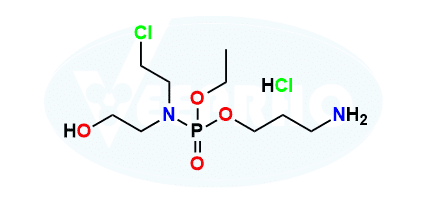
Structure of Cyclophosphamide Impurity 28 (HCl Salt)Cyclophosphamide Impurity 28 (HCl Salt)C9H22ClN2O4P. HClVE0013983 · In stockVE0013983In stock
Structure of Cyclophosphamide Impurity IICyclophosphamide Impurity IIC7H16ClN4O6PVE0016268 · In stockVE0016268In stock
Structure of Cyclophosphamide Impurity IIICyclophosphamide Impurity IIIC7H17ClN3O5PVE0016265 · In stockVE0016265In stock
Structure of Cyclophosphamide Pyrophosphate AnalogCyclophosphamide Pyrophosphate AnalogC10H26ClN3O7P2VE006895VE006895Under Development
Structure of Cyclophosphamide Related Compound A (HCl Salt)Cyclophosphamide Related Compound A (HCl Salt)C4H10Cl3NCAS No. 821-48-7 · VL165001 · In stock821-48-7VL165001In stock
OPOHONHNClCyclophosphamide Related Compound BC7H16ClN2O3PCAS No. 158401-52-6 · VL165006 · In stock158401-52-6VL165006In stock
Structure of Cyclophosphamide Related Compound B (Ethyl Ester TFA Salt)Cyclophosphamide Related Compound B (Ethyl Ester TFA Salt)C11H21ClF3N2O5PVE008842 · In stockVE008842In stock
H2NOPOOHHOCyclophosphamide Related Compound CC3H10NO4PCAS No. 1071-28-9 · VL165003 · In stock1071-28-9VL165003In stock
Structure of Cyclophosphamide Related Compound C (Ethyl Ester HCl Salt)Cyclophosphamide Related Compound C (Ethyl Ester HCl Salt)C15H15ClNO4PVE008843 · In stockVE008843In stock
ClHClHOPOHHOONHNHClCyclophosphamide Related Compound DC7H20Cl3N2O4PCAS No. 158401-51-5 · VL165002 · In stock158401-51-5VL165002In stock
Structure of Cyclophosphamide Related Compound D (Ethyl Ester HCl Salt)Cyclophosphamide Related Compound D (Ethyl Ester HCl Salt)C9H23Cl2N2O4PVE008844 · In stockVE008844In stock
Structure of Cyclophosphamide Ring Open Dimer ImpurityCyclophosphamide Ring Open Dimer ImpurityC14H35Cl2N5O6P2VE006896VE006896Under Development
Structure of CyclophosphamideImpurityICyclophosphamideImpurityIC7H15ClN3O4PVE0016267 · In stockVE0016267In stock
Structure of CyclophosphamideImpurityIVCyclophosphamideImpurityIVC7H17ClN3O5PVE0016266 · In stockVE0016266In stock
OPNOHHOHNODihydroxycyclophosphamideParent: cyclophosphamideC7H17N2O4PCAS No. 90632-33-0 · VE006893 · In stock90632-33-0VE006893In stock
OPNHClNHON-Dechloroethyl CyclophosphamideC5H12ClN2O2PCAS No. 36761-83-8 · VE0013985 · In stock36761-83-8VE0013985In stock
NOPONClClN-Methyl CyclophosphamideEP name: Cyclophosphamide EP Impurity BC8H17Cl2N2O2PCAS No. 22089-17-4 · VE0013984 · In stock22089-17-4VE0013984In stock
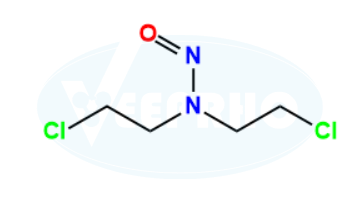
ClNNOClN-Nitroso bis(2-chloroethyl)amineC4H8Cl2N2OCAS No. 67856-68-2 · VE006103 · In stock67856-68-2VE006103In stock
ONNOPONClClN-Nitroso CyclophosphamideC7H14Cl2N3O3PVE0015663 · In stockVE0015663In stock
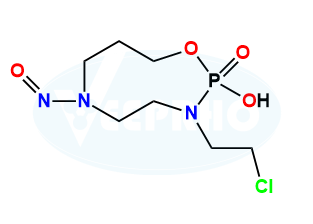
ONNOPOOHNClN-Nitroso Cyclophosphamide Related compound BC7H15ClN3O4PVE0024419 · In stockVE0024419In stock
Structure of N-Nitroso Cyclophosphamide Related compound DN-Nitroso Cyclophosphamide Related compound DC7H17ClN3O5PVE0024420 · In stockVE0024420In stock
NNNNNONON,N’-(ethane-1,2-diyl)bis(N-(cyanomethyl)nitrous amide)C₆H₈N₆O₂CAS No. 91399-94-9 · VE0024197 · In stock91399-94-9VE0024197In stock
Structure of Piperazinylpropyl Pentahydroxyhexyl PhosphatePiperazinylpropyl Pentahydroxyhexyl PhosphateC13H29N2O9PVE006891VE006891Under Development
OPNClClNHOHO4-Hydroxy CyclophosphamideParent: CyclophosmamideC7H15Cl2N2O3PCAS No. 40277-05-2 · VE001464340277-05-2VE0014643Under Development

Cyclophosphamide Related Compound

As with all chemotherapy drugs, impurities may form in cyclophosphamide during its manufacturing, storage, and handling processes. Regulatory authorities such as the U.S. FDA and EMA establish stringent guidelines to control impurity levels, ensuring the safety and efficacy of the medication. Types of Impurities in Cyclophosphamide Related Substances These are chemically related compounds or byproducts formed during the synthesis of cyclophosphamide. Controlling these impurities is essential to maintain the drug’s therapeutic effectiveness and purity. Degradation Products Cyclophosphamide may degrade over time when exposed to environmental factors like heat, light, or moisture. Degradation products can reduce the stability and potency of the medication, necessitating proper storage conditions. Residual Solvents Trace amounts of solvents used during the manufacturing process may remain in the final product. Regulatory standards ensure these solvents are within safe limits to minimize any potential risks to patients. Analytical Techniques for Monitoring Impurities Techniques such as High-Performance Liquid Chromatography (HPLC) and Mass Spectrometry (LC-MS) are employed to identify and quantify impurities, ensuring cyclophosphamide meets strict safety and quality standards.

FAQ

What is the drug cyclophosphamide used for?

Cyclophosphamide is used to treat a wide range of cancers, including ovarian cancer, breast cancer, cancers of the blood and lymphatic system, nerve cancers (in children), retinoblastoma, multiple myeloma, and mycosis fungoides. It is also used in lower doses to treat certain autoimmune diseases.

Is cyclophosphamide a strong chemotherapy?

Yes, cyclophosphamide is considered a strong chemotherapy drug. It is an alkylating agent that interferes with the DNA of rapidly dividing cancer cells, effectively halting their growth. It is often used in combination with other chemotherapy drugs to enhance its effectiveness.

How toxic is cyclophosphamide?

Cyclophosphamide can be toxic, particularly at higher doses or with prolonged use. Common toxic effects include bone marrow suppression (leading to low blood cell counts), nausea, vomiting, hair loss, and bladder toxicity (hemorrhagic cystitis). Rarely, it may increase the risk of secondary cancers or cause liver or kidney damage. Regular monitoring by a healthcare provider is essential during treatment.

Is cyclophosphamide an anthracycline?

No, cyclophosphamide is not an anthracycline. It is an alkylating agent , which works by cross-linking DNA strands, preventing cancer cells from dividing and replicating. Anthracyclines, such as doxorubicin or daunorubicin, belong to a different class of chemotherapy drugs with distinct mechanisms of action.