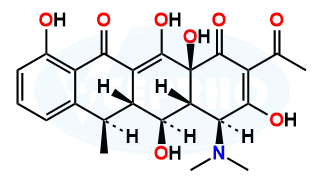
Doxycycline is an antibiotic that belongs to the tetracycline class of medications. It is widely used to treat various bacterial infections by preventing the growth and spread of bacteria. Doxycycline works by inhibiting the production of proteins that bacteria need to multiply, effectively stopping the infection. In addition to its use for treating infections, doxycycline is also effective in managing acne. It kills the bacteria that infect pores and reduces the production of certain natural oily substances that can cause acne, making it a popular choice for dermatological conditions. Doxycycline is available in multiple forms, including tablets, capsules, and oral suspensions, providing flexible dosing options for different patient needs.

Parent: Doxycycline

Parent: Doxycycline

Parent: Doxycycline

Parent: Doxycycline

Parent: Doxycycline

Parent: Doxycycline Hyclate Working Standard (Secondary Reference Standard)

Parent: Doxycycline

Parent: Doxycycline
During the manufacturing process of doxycycline, impurities can be introduced at various stages, from the raw materials to the synthesis and storage processes. Ensuring the purity of doxycycline is crucial for its safety and effectiveness. Regulatory agencies such as the U.S. Food and Drug Administration (FDA) and the European Medicines Agency (EMA) have established strict guidelines for permissible levels of impurities in pharmaceuticals to ensure patient safety.
Doxycycline is mainly used to treat a variety of bacterial infections. It is commonly prescribed for respiratory tract infections, such as bronchitis and pneumonia, skin infections, urinary tract infections (UTIs), and certain sexually transmitted diseases (STDs). Additionally, it is used to treat acne by killing the bacteria that infect pores and reducing the production of natural oily substances that can lead to breakouts. Doxycycline is also used as a preventive measure for malaria in travelers to areas where the disease is prevalent.
Doxycycline is prescribed for the prevention or treatment such as rickettsial infections, sexually transmitted diseases, respiratory tract infections, bacterial infections, Lyme disease, ocular infections, anthrax, acute intestinal amebiasis, traveler’s diarrhoea, and severe acne are some of the conditions that can occur. It has also been studied as a cancer therapy since some research show that doxycycline can reduce cell proliferation and invasion, induce apoptosis, and prevent the gap phase (in which a cancerous cell grows and prepares to synthesis DNA).
Yes, doxycycline is considered a strong and effective antibiotic, particularly for treating a wide range of bacterial infections. Its broad-spectrum activity allows it to target various types of bacteria, making it a versatile choice for healthcare providers. However, like all antibiotics, it should be used as prescribed to ensure its effectiveness and to help prevent antibiotic resistance.
While taking doxycycline, you should avoid consuming dairy products or taking calcium supplements, as these can interfere with the absorption of the medication, reducing its effectiveness. Additionally, avoid taking antacids or supplements containing aluminum, magnesium, or iron within two hours of taking doxycycline. It’s also important to avoid prolonged sun exposure, as doxycycline can make your skin more sensitive to sunlight, increasing the risk of sunburn. Always follow your healthcare provider’s advice regarding diet and lifestyle while on this medication.
Doxycycline is commonly used to treat certain sexually transmitted diseases (STDs), including chlamydia and syphilis. It is often prescribed as an effective treatment for chlamydia, especially in cases where a single-dose treatment may not be suitable. Doxycycline is also used as an alternative treatment option for syphilis in patients who are allergic to penicillin. However, it is important to complete the full course of treatment as prescribed by your healthcare provider to ensure the infection is fully cleared.