Estradiol, also called oestrogen or oestradiol, is an estrogen steroid hormone and the major female sex hormone. It is involved in the regulation of female reproductive cycles, including the estrous and menstrual cycles. As a hormone replacement therapy, Estradiol is commonly prescribed to manage menopause-related symptoms, such as hot flashes, vaginal dryness, and mood changes. It is also used to treat conditions associated with low estrogen levels, such as ovarian failure, and certain hormone-sensitive cancers. Estradiol is available in various forms, including oral tablets, transdermal patches, topical gels, and injections, depending on the treatment plan and patient needs.

Parent: Estradiol

Parent: Estradiol / Estradiol Benzoate

Parent: Estradiol

Parent: Estradiol/ Estradiol Hemihydrate

Parent: Estradiol

Parent: Estradiol / Estradiol Valerate

Parent: Estriol/ Estrone/ Ethinylestradiol/ Estradiol

Parent: Estradiol / Equilin

Parent: Ethinylestradiol/Estradiol Benzoate/ Estradiol/ Estradiol Valerate
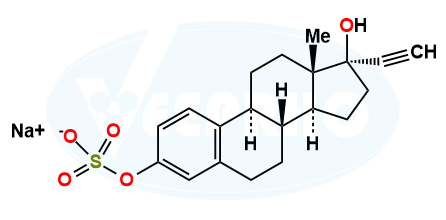
Parent: Estradiol

Parent: Estradiol

Parent: Estradiol

Parent: Equilenin / Estradiol

Parent: Equilenin / Estradiol

Parent: Estradiol

Parent: Estradiol

Parent: Estradiol
Estradiol Related Compound
During the production and storage of Estradiol, impurities may form, which must be controlled to ensure the drug’s safety and efficacy. Regulatory authorities, such as the U.S. Food and Drug Administration (FDA) and the European Medicines Agency (EMA), provide guidelines on permissible impurity levels in Estradiol formulations.
FAQ’s
While on Estradiol, avoid smoking, as it can increase the risk of serious cardiovascular side effects. Also, avoid alcohol and grapefruit, as they may interfere with the medication’s metabolism and increase the risk of side effects. Consult your healthcare provider about any medications or supplements that may interact with Estradiol.
Before taking Estradiol, inform your doctor of any personal or family history of cardiovascular disease, blood clots, liver disease, or hormone-sensitive cancers. Estradiol therapy may not be suitable for everyone, especially those at risk for hormone-related conditions. It’s also important to discuss any current medications to avoid interactions.
Estradiol is considered high-risk because it can increase the likelihood of blood clots, stroke, and certain types of cancers (such as breast and uterine cancer) when used long-term. These risks require careful monitoring and regular check-ups to ensure that the benefits outweigh the potential harms.
If you miss a dose of Estradiol, take it as soon as you remember. However, if it is almost time for your next dose, skip the missed dose and resume your regular schedule. Do not double the dose to catch up. Missing doses occasionally may not have significant effects, but consistent adherence is important for effectiveness.


