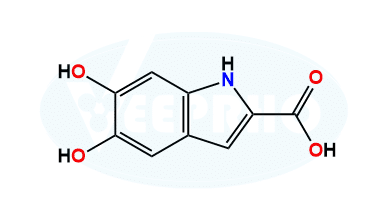
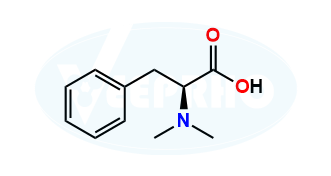
Levodopa (also known as L-DOPA) is a dopamine precursor used in the treatment of Parkinson’s disease and other dopamine-deficiency disorders. It is converted to dopamine in the brain by aromatic L-amino acid decarboxylase, helping to restore dopamine levels and improve motor control, rigidity, and bradykinesia. Since dopamine itself cannot cross the blood-brain barrier, levodopa is a critical therapeutic agent.
Levodopa is usually administered in combination with carbidopa or benserazide, which inhibit peripheral metabolism of levodopa, increasing its central availability and reducing side effects.
Indications include:
∙ Parkinson’s disease (first-line treatment)
∙ Parkinsonism due to encephalitis, carbon monoxide, or manganese poisoning
∙ Restless leg syndrome (off-label use)
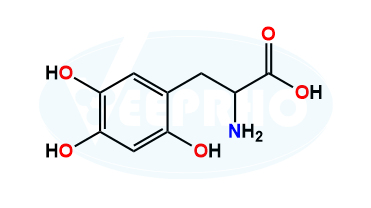
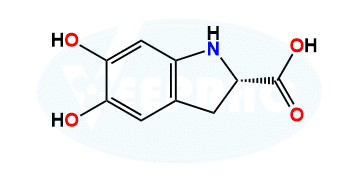
Parent: Levodopa
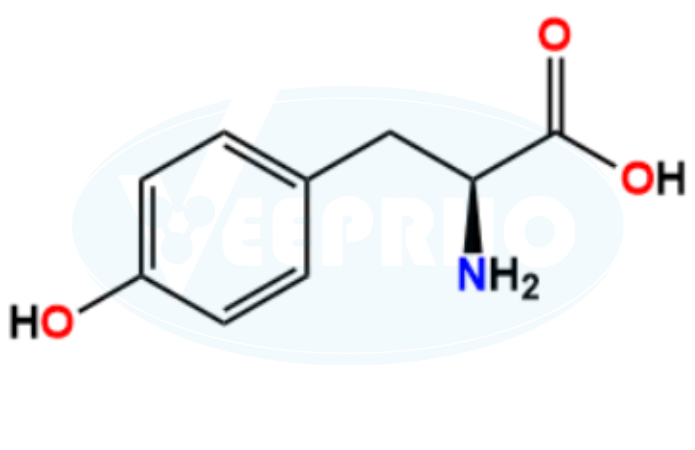
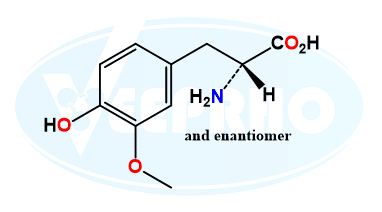
Parent: Levodopa / Phenylalanine

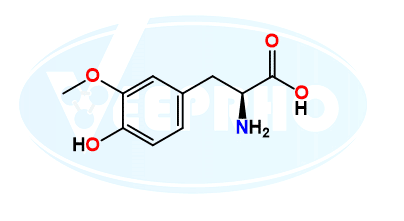
Parent: Levodopa

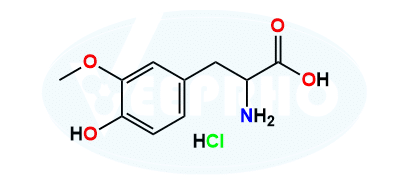
Parent: Levodopa

Parent: Levodopa

Parent: Levodopa
Impurities in levodopa arise from its chemical or fermentation-based synthesis, and from oxidative degradation, particularly due to its catechol structure, which is highly reactive. Impurities must be carefully monitored due to its use in chronic neurological therapy and susceptibility to auto-oxidation.
Process-Related Impurities
Degradation Impurities
Elemental Impurities
Analytical Techniques for Impurity Detection
Levodopa is used to treat symptoms of Parkinson’s disease, such as tremor, rigidity, and bradykinesia, by replenishing dopamine levels in the brain.
Carbidopa inhibits peripheral decarboxylation of levodopa, increasing the amount that reaches the brain and reducing side effects like nausea and cardiovascular effects.
Levodopa is highly effective initially, but long-term use may lead to motor fluctuations and „on-off“ phenomena, requiring dose adjustments or combination therapy.
No. Levodopa is highly sensitive to oxidation and should be stored in a cool, dry, airtight container, protected from light, heat, and air. Formulations often include antioxidants or are packaged under inert gas.