
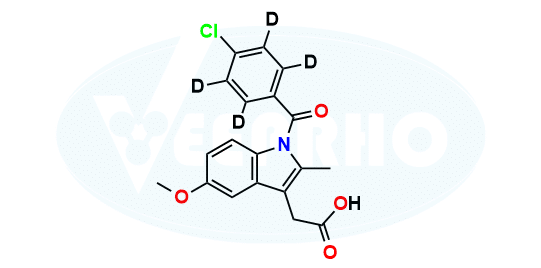
Indometacin EP Impurity H-D4
Parent: Indomethacin

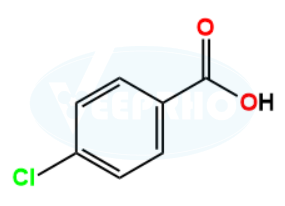


Indomethacin EP Impurity E
Parent: Indomethacin

Indomethacin EP Impurity G
Parent: Indomethacin
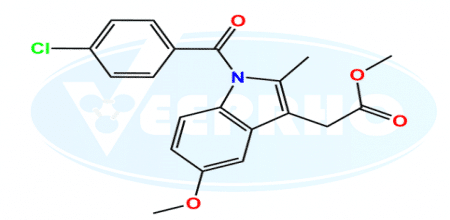

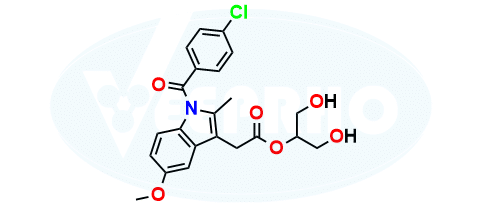


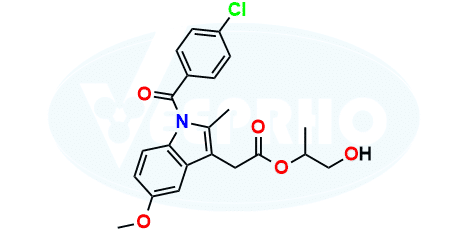

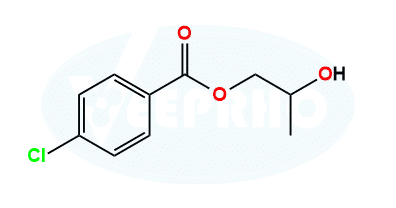
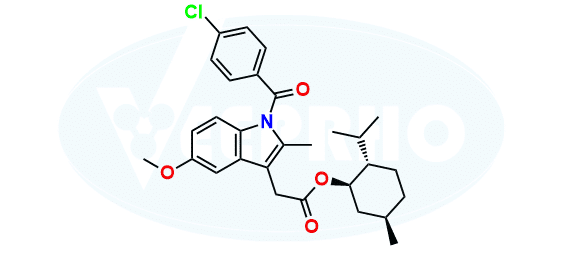
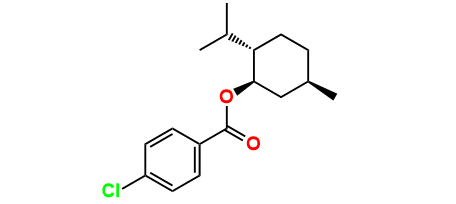


Indomethacin Impurity 25 (HCl Salt)
Parent: Indomethacin
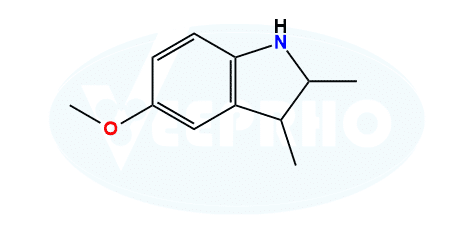
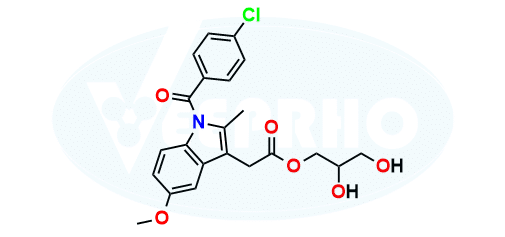
Indomethacin Impurity 26 (Mixture of Diastereomers)
Parent: Indomethacin

Indomethacin Impurity 3 (Na Salt)
Parent: Indomethacin

Indomethacin Isopropyl Ester
Parent: Indomethacin


Indomethacin Working Standard (Secondary Reference Standard)
Parent: Indomethacin

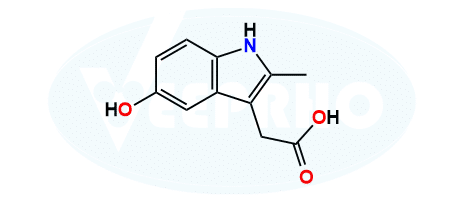
O-Desmethyl-N-deschlorobenzoyl Indomethacin
Parent: Indomethacin

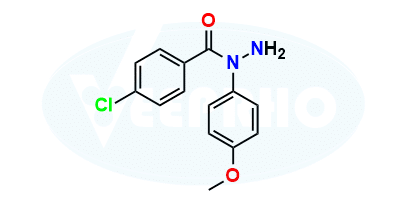
p-Anisylhydrazine Hydrochloride
Parent: Indomethacin
Indomethacin Impurities and Related Compound
Typical quality control for indomethacin API monitors synthesis-related and degradation-related impurities such as N-dealkylation products, O-dealkylation products, decarboxylation products, oxidative and dechlorinated species, and residual synthetic intermediates; pharmacopeial and regulatory specifications commonly limit any single unspecified impurity to the low parts-per-hundred range, for example individual unknown impurities are frequently controlled at or below 0.1 to 0.5 percent by weight and total impurities are commonly limited to the order of 0.5 to 2.0 percent by weight depending on the monograph and the ICH Q3 guidance thresholds for reporting and qualification. Identity and quantification are performed by validated chromatographic methods such as HPLC with appropriate reference standards, and manufacturers supply certificates of analysis stating acceptance criteria for individual related compounds and total impurities consistent with the applicable regulatory monograph.
FAQ
Indomethacin is used to treat inflammatory conditions including rheumatoid arthritis, osteoarthritis, ankylosing spondylitis, acute gouty arthritis, and certain soft tissue disorders; it is also used by specialists to induce closure of a patent ductus arteriosus in premature infants.
Patients with active or recurrent peptic ulcer disease, a history of gastrointestinal bleeding, severe renal impairment, known hypersensitivity to indomethacin or other NSAIDs, previous aspirin-exacerbated respiratory disease, and late pregnancy should not take indomethacin without specialist assessment; dose adjustment and monitoring are required for older adults and those with cardiovascular risk.
Indomethacin is generally considered more potent on a milligram-per-milligram basis and has a different clinical profile and adverse effect spectrum than ibuprofen; choice between them depends on indication, patient tolerability, comorbidities, and physician judgment rather than a simple potency comparison.
Symptomatic relief for pain and inflammation often begins within one to two hours after oral dosing as plasma levels peak, with maximal clinical effects and full anti-inflammatory benefit developing over repeated dosing according to the treated condition and regimen.