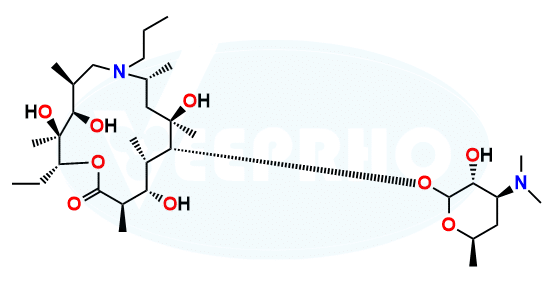
Gamithromycin Impurity 3
Parent: Gamithromycin

Gamithromycin Impurities and Related Compound
Related compounds and degradation products for gamithromycin are monitored as part of pharmaceutical quality control and typically include expected process-related impurities and oxidative, hydrolytic, and N-dealkylated degradation species. Typical release specifications for an active pharmaceutical ingredient control individual unspecified impurities at low levels, commonly in the range of 0.1 to 0.5 percent of the API by weight, with total impurities commonly limited to around 1.0 to 2.0 percent depending on the product dossier and regulatory requirements. Potentially genotoxic or otherwise hazardous impurities are controlled to much lower thresholds in line with ICH guidance. Identification and quantification are performed using validated chromatographic methods such as HPLC-UV and LC-MS, and stability studies define impurity profiles under forced degradation and real time conditions.
FAQ
Gamithromycin is an azalide, a subclass of macrolide antibiotics. It acts on the bacterial 50S ribosomal subunit to inhibit protein synthesis.
Gamithromycin has activity against common respiratory pathogens of cattle, pigs, and sheep, including organisms such as Mannheimia haemolytica, Pasteurella multocida, Histophilus somni, Actinobacillus pleuropneumoniae and certain Mycoplasma species. Its primary clinical utility is against respiratory infections rather than a broad range of unrelated pathogens.
Yes. Zactran is the trade name for gamithromycin, which is an antibiotic used in veterinary medicine.
Zactran is not primarily indicated for foot rot. Foot rot is typically caused by organisms such as Fusobacterium necrophorum and Dichelobacter nodosus, and treatment choice should follow the product label and veterinary guidance. Consult the specific product label and a veterinarian for approved indications and recommended therapy for foot rot.