


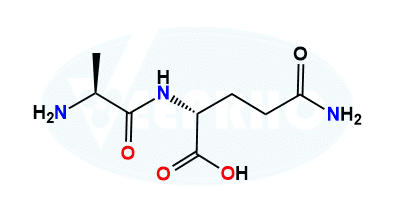

Alanyl Glutamine Impurity 18 (HCl Salt)
Parent: Glutamine


Alanyl Glutamine Impurity 8 (HCl Salt)
Parent: Glutamine


L-Glutamine Diethylamide
Parent: Glutamine/ Alanine

Glutamine Related Compund
Impurities in glutamine can arise from chemical synthesis, fermentation processes, or storage conditions. Regulatory agencies such as the FDA, ICH, and EMA enforce strict impurity limits to ensure safety and efficacy.
Types of Impurities in Glutamine
Process-Related Impurities
• Unreacted intermediates from fermentation or synthetic production
• Residual solvents (e.g., ethanol, methanol)
• By-products from fermentation processes
Degradation Impurities
• Oxidation products from exposure to oxygen and light
• Hydrolysis impurities due to moisture exposure
• Thermal degradation products at high temperatures
Elemental Impurities
• Heavy metals from production processes
• Trace levels of arsenic, cadmium, lead, and mercury
Analytical Techniques for Impurity Detection
• High-Performance Liquid Chromatography (HPLC)
• Gas Chromatography (GC)
• Mass Spectrometry (MS)
• Fourier-Transform Infrared Spectroscopy (FT-IR)
FAQ
Glutamine plays several crucial roles in the body, including:
• Supporting the immune system – It fuels immune cells, helping fight infections.
• Aiding digestion – It helps maintain the integrity of the intestinal lining.
• Muscle recovery – It assists in reducing muscle breakdown and promoting muscle repair after intense exercise.
• Enhancing wound healing – It speeds up tissue repair after injury or surgery.
• Balancing nitrogen levels – Helps transport nitrogen between tissues to support metabolic functions.
No, glutamine does not directly increase testosterone levels. However, it may support muscle growth and recovery, which can indirectly help with hormonal balance by reducing cortisol (stress hormone) levels, which can otherwise suppress testosterone production.
The richest food sources of glutamine include:
• Animal-based sources:
o Beef
o Chicken
o Fish
o Eggs
o Dairy (milk, yogurt, cheese)
• Plant-based sources:
o Cabbage
o Spinach
o Tofu
o Beans and legumes
o Nuts and seeds
Low glutamine levels can occur due to prolonged illness, intense exercise, or malnutrition, leading to symptoms such as:
• Weakened immune function – Frequent colds or infections
• Muscle loss – Increased muscle breakdown and slow recovery
• Intestinal issues – Bloating, diarrhea, or leaky gut symptoms
• Fatigue and weakness – Low energy levels and difficulty concentrating
• Poor wound healing – Slower recovery from injuries or surgery