



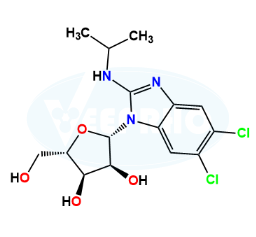

Maribavir and Related Compound
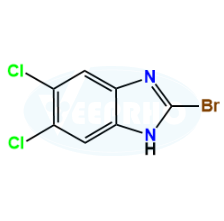
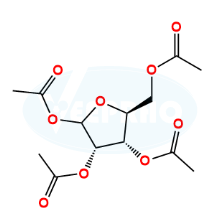
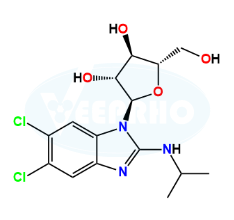
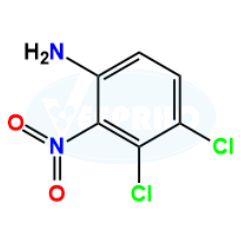
The impurity profile for maribavir is typically defined by specified process-related impurities, known degradants and unidentified related compounds with individual limits set in the drug substance control strategy; common classes of related compounds include dealkylated and de-ribosylated species, oxidation products such as N-oxides, hydrolysis products, stereoisomeric and positional isomers, residual synthetic intermediates and residual solvents, with typical analytical acceptance criteria employed in specification setting of individual specified impurities controlled at approximately 0.05 to 0.20 percent w/w, total impurities commonly limited to about 1.0 percent w/w, and any potential genotoxic impurity controlled to meet ICH M7 acceptable intake limits; identity and quantitation are confirmed by orthogonal methods such as HPLC-UV, LC-MS, and NMR, with stability studies guiding qualification and specification limits.
FAQ
Maribavir is used to treat cytomegalovirus infection in post-transplant patients, specifically for CMV disease that requires antiviral therapy and in clinical contexts where other antivirals have failed or resistance is suspected; the approved clinical dosing regimen and use are determined by the treating transplant team.
Maribavir selectively inhibits the CMV-encoded pUL97 protein kinase, preventing phosphorylation of viral substrates that are essential for viral DNA replication, capsid maturation and nuclear egress, which reduces production of infectious CMV progeny.
Yes, maribavir (brand name Livtencity) has received FDA approval for treatment of post-transplant cytomegalovirus infection in appropriate patient populations; prescribing should follow the approved label and institutional transplant guidelines.
Common adverse effects include taste disturbances (dysgeusia), nausea, vomiting, diarrhea, headache and fatigue; hematologic abnormalities and other laboratory changes can occur, so clinicians routinely monitor blood counts and assess for drug interactions and organ function during therapy.