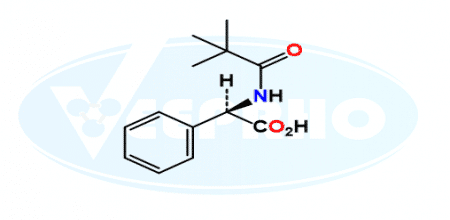
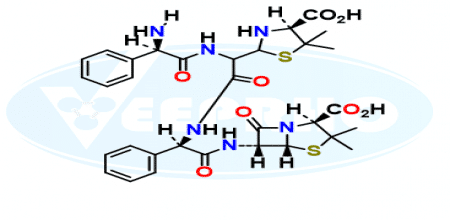
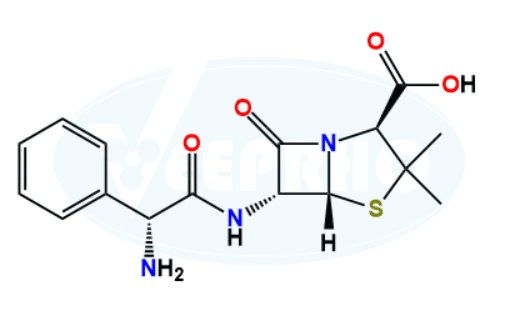
Ampicillin is an antibiotic belonging to the aminopenicillin class of the penicillin family. It is used to prevent and treat a wide range of bacterial infections, including respiratory tract infections, urinary tract infections, meningitis, salmonellosis, and endocarditis. Ampicillin works by inhibiting bacterial cell wall synthesis, leading to the destruction of susceptible bacteria. It is available in oral and intravenous forms and is effective against both Gram-positive and some Gram-negative bacteria.

Parent: Ampicillin

Parent: Ampicillin

Parent: Ampicillin

Parent: Ampicillin
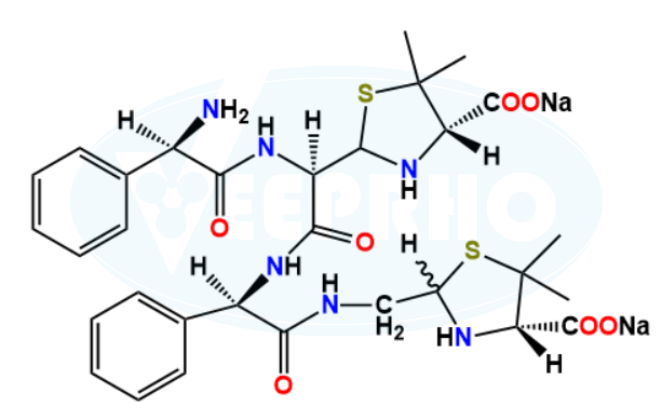
Parent: Ampicillin

Parent: Ampicillin

Parent: Ampicillin

Parent: Ampicillin / Ampicillin Trihydrate

Parent: Ampicillin

Parent: Cefaclor / Ampicillin / Cafalexin
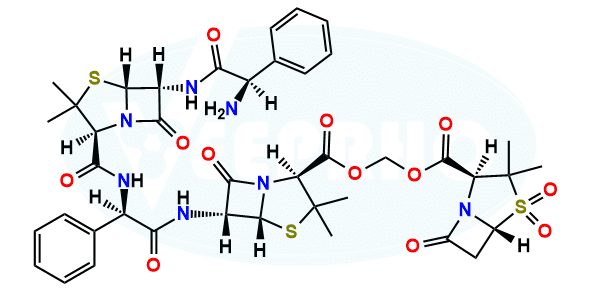
Parent: Sultamicillin / Ampicillin
Impurities in Ampicillin can arise due to synthesis processes, degradation, or storage conditions. Regulatory authorities like the FDA, ICH, and EMA enforce strict impurity limits to ensure the drug’s safety and efficacy.
Process-Related Impurities
Degradation Impurities
Elemental Impurities
Analytical Techniques for Impurity Detection
Ampicillin is used to treat bacterial infections such as respiratory tract infections, urinary tract infections, gastrointestinal infections, meningitis, endocarditis, and salmonellosis. It is effective against both Gram-positive and some Gram-negative bacteria.
Yes, ampicillin is considered a broad-spectrum antibiotic effective against a variety of bacteria. However, its effectiveness depends on the susceptibility of the bacteria and the presence of resistance mechanisms, such as beta-lactamase production.
Ampicillin should not be taken by individuals with a history of penicillin allergy or severe renal impairment without proper dose adjustments. It is also contraindicated in patients with infectious mononucleosis due to the risk of a non-allergic rash.
Ampicillin 500 mg is typically taken every 6 hours (four times a day) for most infections. The exact dosing frequency depends on the type and severity of the infection and should follow the prescribing physician’s instructions.