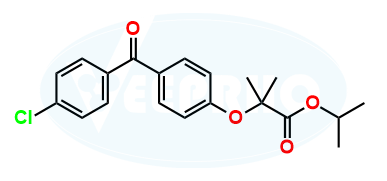
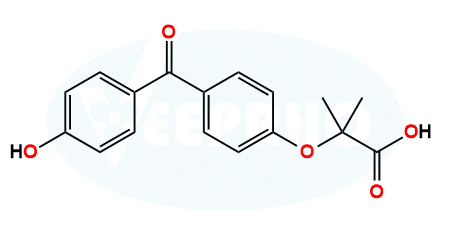
Fenofibrate is a lipid-lowering agent belonging to the class of fibrates, primarily used to reduce triglycerides and increase high-density lipoprotein (HDL) cholesterol levels. It acts as an agonist of peroxisome proliferator-activated receptor alpha (PPAR-α), which leads to increased oxidation of fatty acids and enhanced clearance of triglyceride-rich lipoproteins.
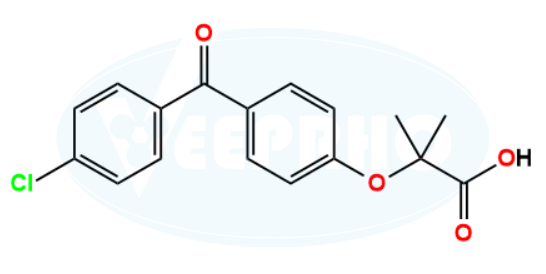
Fenofibrate is administered orally as a prodrug and is hydrolyzed to its active form, fenofibric acid.
Indications include:
∙ Hypertriglyceridemia
∙ Mixed dyslipidemia
∙ Adjunct to diet in adult patients with primary hypercholesterolemia
∙ Used in combination with statins in certain cases of severe dyslipidemia

Parent: Fenofibrate
Parent: Fenofibrate
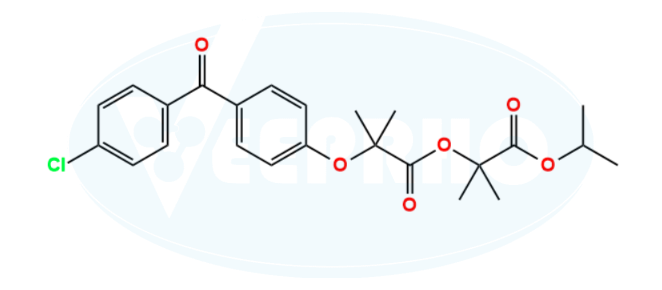
Parent: Fenofibrate

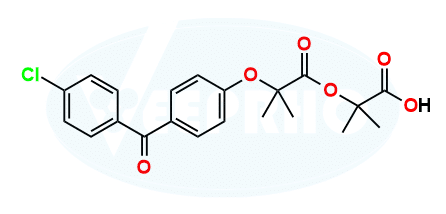
Parent: Fenofibrate

Parent: Fenofibrate

Parent: Fenofibrate
Impurities in fenofibrate arise from synthetic processes, particularly esterification of fenofibric acid, and from degradation under heat, light, or moisture. Since it is used chronically, impurity levels must be monitored and controlled per ICH Q3A/B and USP/EP standards.
Process-Related Impurities
Degradation Impurities
Elemental Impurities
Analytical Techniques for Impurity Detection
Fenofibrate is used to treat high triglyceride levels, mixed dyslipidemia, and hypercholesterolemia—often as an adjunct to diet or in combination with statins.
It activates PPAR-α receptors, increasing the oxidation of fatty acids and enhancing the metabolism of triglyceride-rich particles, leading to lower triglycerides and increased HDL cholesterol.
Yes, but patients should be monitored regularly for liver function, renal function, and muscle-related symptoms, especially if used in combination with statins.
Fenofibrate can hydrolyze into fenofibric acid in the presence of moisture or under high temperatures. It should be stored in a cool, dry place, protected from light and humidity.