Minocycline is a potent antibiotic belonging to the tetracycline family, primarily used to treat moderate to severe acne vulgaris and inflammatory lesions induced by rosacea. A bacteriostatic, Minocycline impedes bacterial protein synthesis by attaching itself to the 30S ribosomal subunit. It demonstrates extensive tissue penetration and remains in high concentrations for a substantial time in cells of infected tissues. This medication, available in capsule form, is also utilized for managing various bacterial infections affecting diverse parts of the body. Minocycline has a substantial ability to cross the blood-brain barrier, making it therapeutically beneficial in treating certain neurological conditions.

Parent: Minocycline

Parent: Minocycline

Parent: Minocycline

Parent: Minocycline

Parent: Minocycline / Minocycline Hydrochloride

Parent: Minocycline

Parent: Minocycline
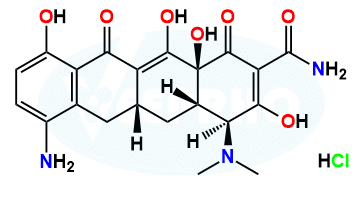
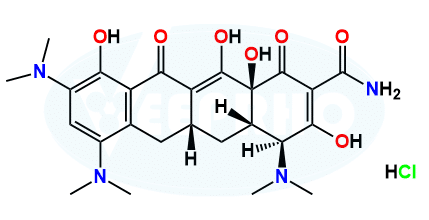
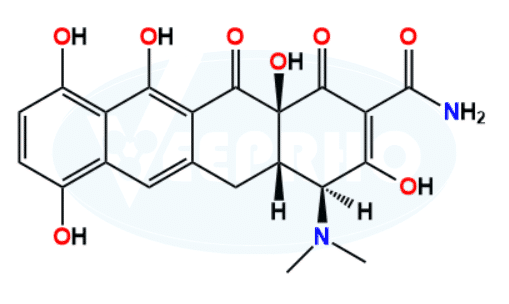
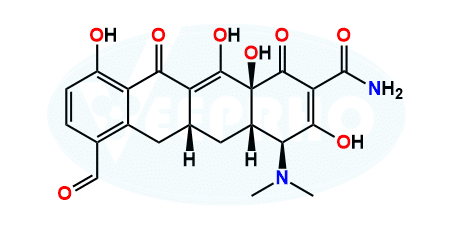
Like all medications, Minocycline also contains a certain amount of impurities. This could include its related compounds such as 4-Epiminocycline, 7-Epiminocycline, or 4,7-Bis-demethyl-4,7-dihydro-minocycline. The acceptable limits for these impurities are generally decided based on the recommendation of international regulatory authorities. It’s crucial to monitor and control the levels of these impurities to ensure the safety, efficacy, and quality of the Minocycline drug. The characterization and quantification of these impurities are normally performed using sophisticated analytical techniques such as HPLC (High-Performance Liquid Chromatography) and spectroscopic methods.
Minocycline is primarily used to treat moderate to severe acne vulgaris and inflammatory lesions caused by rosacea. It is also effective in treating different bacterial infections in various parts of the body.
Minocycline has the ability to cross the blood-brain barrier. It exhibits neuroprotective and anti-inflammatory effects, hence, it can be beneficial in the treatment of certain neurological conditions like multiple sclerosis and some forms of encephalitis.
Minocycline and Doxycycline both belong to the tetracycline class of antibiotics and they are used to treat similar bacterial infections. However, they are not the same and can differ in their side effect profiles and recommended dosages.
Minocycline is often used for treating infections caused by Chlamydia and Ureaplasma, which are sexually transmitted diseases. However, the specific treatments can vary based on the individual patient and it’s important to consult with a healthcare professional for accurate information.