Mizolastine is a once-daily, non-sedating antihistamine. It blocks H₁ receptors and is commonly fast-acting. It does not prevent the actual release of histamine from mast cells, it only prevents histamine from binding to receptors. Side effects can include dry mouth, headache, mild gastrointestinal disturbance and, rarely, drowsiness or palpitations. Technically, mizolastine is a second generation H₁ receptor antagonist formulated for oral use, typically dosed once daily in adults; oral administration produces peak plasma levels within a few hours and a duration of action that supports 24 hour dosing. The compound is subject to hepatic metabolism and elimination, so dose adjustment or monitoring may be required in significant hepatic impairment and coadministration with strong enzyme inhibitors or inducers can alter exposure. Routine clinical monitoring focuses on efficacy, tolerability and any signs of cardiac or CNS effects in susceptible patients.
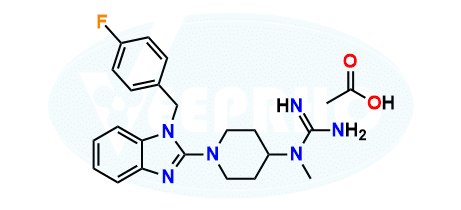
Parent: Mizolastine
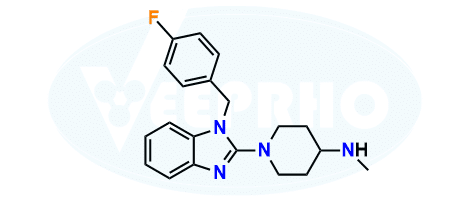
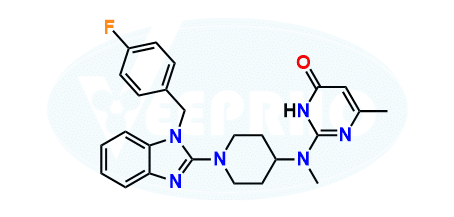
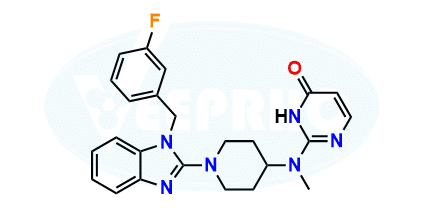
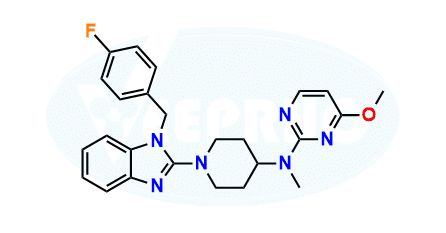
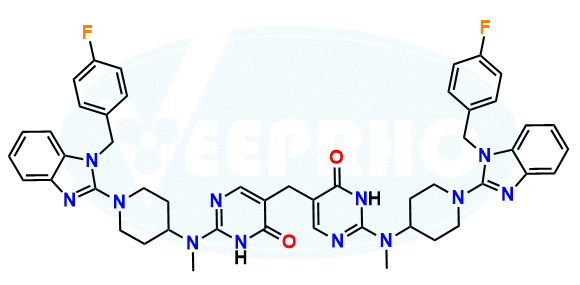
The drug substance and finished product are controlled to limits consistent with international impurity guidance, with typical analytical acceptance criteria that specify individual unspecified impurities at or below about 0.05 to 0.1 percent weight by weight and total related substances not exceeding about 0.3 to 0.5 percent weight by weight, while specified known related compounds may have higher individual limits based on safety data. Common related substances observed during synthesis, storage or metabolism include desmethyl and hydroxylated analogues, N-oxide species, trace synthetic intermediates and occasional dimers or ring-opened byproducts; residual solvents and heavy metals are controlled to pharmacopeial limits (for example Class 2 solvents limited per ICH Q3C and elemental impurities controlled per ICH Q3D). Identification and quantification are routinely performed by validated HPLC with UV detection and LC-MS confirmation for unknowns, and stability studies define any impurity profile changes over shelf life.
Mizolastine is used to treat allergic symptoms such as seasonal and perennial allergic rhinitis and chronic idiopathic urticaria, reducing itching, sneezing, nasal discharge and wheals by antagonizing H₁ receptors.
Market availability varies by country and by manufacturer; in some regions the original branded product may no longer be marketed while generic supplies or regulatory-authorized products may still be available. Check local regulatory databases or national drug formularies for current marketing status.
Alternative second generation oral antihistamines with similar non-sedating profiles include cetirizine, levocetirizine, loratadine, fexofenadine and bilastine. Choice should consider patient age, comorbidities, drug interactions and regulatory availability and be made in consultation with a healthcare professional.