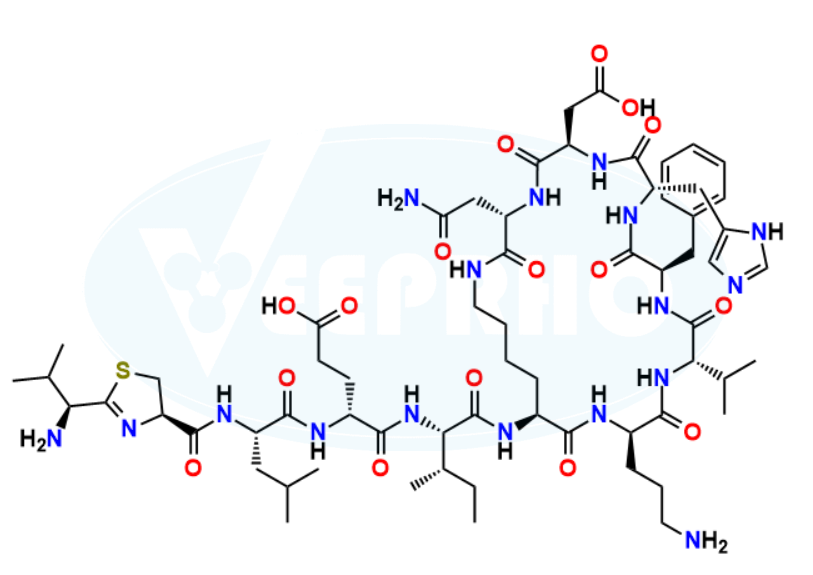
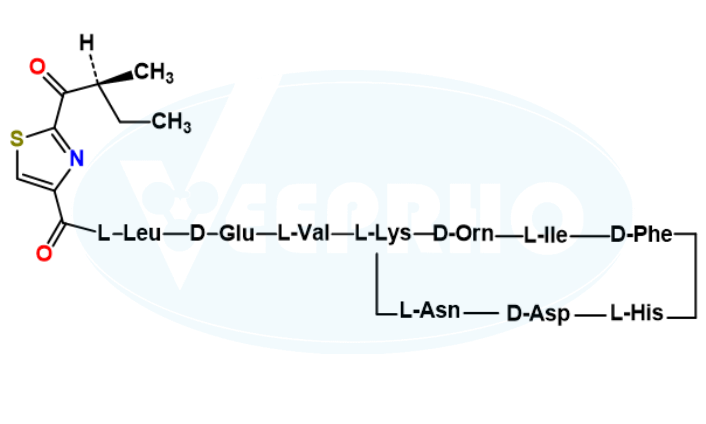
Bacitracin is a polypeptide antibiotic primarily used for topical treatment of bacterial infections. It is effective against Gram-positive bacteria, such as Staphylococcus aureus and Streptococcus pyogenes. Bacitracin is commonly found in:
∙ Topical antibiotic ointments (e.g., for cuts, burns, and scrapes)
∙ Ophthalmic preparations
∙ Occasionally used in veterinary medicine and oral formulations (though rarely due to nephrotoxicity)
Bacitracin works by inhibiting bacterial cell wall synthesis, specifically interfering with the dephosphorylation of bactoprenol, a key lipid carrier molecule in peptidoglycan synthesis.

Parent: Bacitracin EP Impurity D
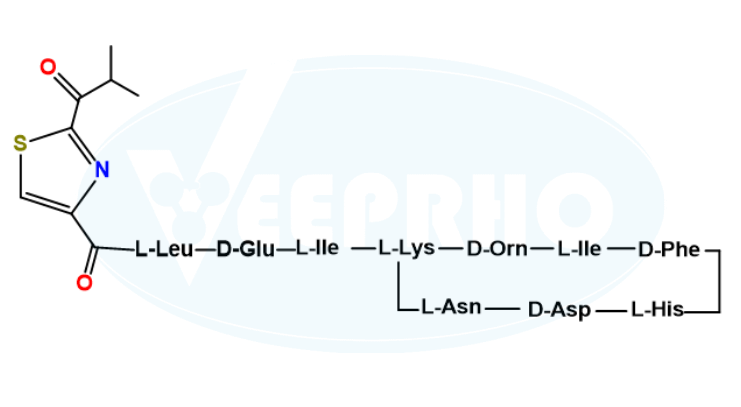
Parent: Bacitracin EP Impurity F

Parent: Bacitracin

Parent: Bacitracin
Since bacitracin is produced by fermentation using Bacillus subtilis or Bacillus licheniformis, impurities may result from biosynthetic variability, degradation, or formulation processes. Regulatory standards (e.g., USP, EP) ensure impurity levels remain within safe limits.
Process-Related Impurities
Degradation Impurities
Elemental Impurities
Analytical Techniques for Impurity Detection
Bacitracin is used for:
Yes, bacitracin can be used on minor open wounds, but:
Common:
Rare but serious:
Nephrotoxicity if used systemically or inappropriately
Yes.