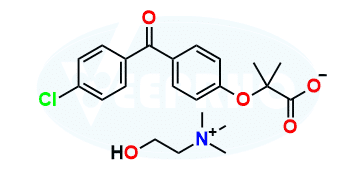
Choline is a cation with the chemical formula [(CH₃)₃NCH₂CH₂OH]⁺. Choline forms various salts, such as choline chloride and choline bitartrate. An essential nutrient for animals, it is a structural component of phospholipids and cell membranes. Additional technical information: the choline cation has the empirical formula C5H14NO and a monoisotopic mass near 104.17 g mol 1; as a quaternary ammonium ion it carries a permanent positive charge and does not exhibit acid-base dissociation of the amine nitrogen. Choline and its salts are highly water soluble, non volatile and typically hygroscopic. Biochemically choline is a precursor of the neurotransmitter acetylcholine, a source of methyl groups through oxidation to betaine which donates methyls via betaine homocysteine methyltransferase, and a key headgroup in phosphatidylcholine biosynthesis via the CDP choline pathway. In manufacturing and formulation contexts choline is supplied as defined salt forms to control counterion content and physical properties, and it participates in predictable phase and solubility behavior across aqueous and polar organic solvents.

Parent: Choline/ Choline Salicylate
Typical impurity and related compound profiles depend on the salt form and grade, but common components encountered are residual moisture, inorganic counterions and ash, low level oxidation products and related quaternary amines. Typical ranges for high purity material are water content roughly 0.5 to 5 percent by weight depending on storage and grade, assay purity greater than 95 to 99 percent for pharmaceutical and reagent grades, and trace related organic compounds such as betaine, glycerophosphocholine and small amounts of acetylcholine or other methylated amines often in the sub percent to low percent range. Analytical impurities may include trimethylamine or dimethylaminoethanol at trace levels, residual solvents well below 0.1 percent when controlled, and heavy metals and other inorganic contaminants at ppm levels when meeting common quality standards. Related compounds that appear in specifications or conversions include choline chloride, choline bitartrate, choline hydroxide, phosphocholine, glycerophosphocholine, phosphatidylcholine, betaine and citicoline.
Foods rich in choline include egg yolks, beef liver and other organ meats, poultry, fish, dairy products, soybeans and soy products, cruciferous vegetables such as broccoli, and certain legumes and nuts. Egg yolks and liver are among the densest natural sources per serving.
Choline is not classified as a B vitamin in most nomenclatures; it is considered an essential nutrient required in the diet because humans cannot synthesize sufficient amounts for all physiological needs. Choline interacts with B vitamin dependent pathways, particularly methylation cycles, but it is distinct from the B vitamin group.
Choline supports structural integrity of cell membranes through phospholipid synthesis, serves as a precursor for the neurotransmitter acetylcholine which is important for neuromuscular function and memory, contributes to hepatic lipid transport and prevention of fatty liver via VLDL assembly, and supplies methyl groups after conversion to betaine, supporting homocysteine remethylation and one carbon metabolism.
Symptoms associated with inadequate choline intake can include hepatic dysfunction such as fatty liver, impaired lipid transport, muscle damage in severe deficiency, and potential cognitive or neuromuscular effects related to reduced acetylcholine synthesis. Laboratory signs may include elevated liver enzymes and altered lipid profiles.