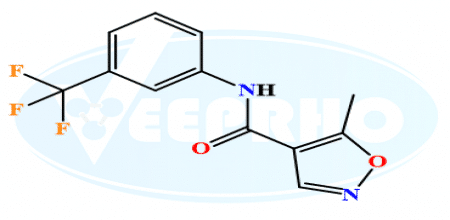
Leflunomide is an immunomodulatory and anti-inflammatory drug primarily used for the treatment of rheumatoid arthritis and psoriatic arthritis. It is a prodrug that is rapidly converted in the body to its active metabolite, teriflunomide, which inhibits dihydroorotate dehydrogenase (DHODH), an enzyme involved in de novo pyrimidine synthesis. This action reduces the proliferation of activated T-cells, which play a central role in autoimmune inflammation.
Indications include:
∙ Rheumatoid arthritis
∙ Psoriatic arthritis
∙ Off-label: Systemic lupus erythematosus, multiple sclerosis (under investigation)

Parent: Leflunomide
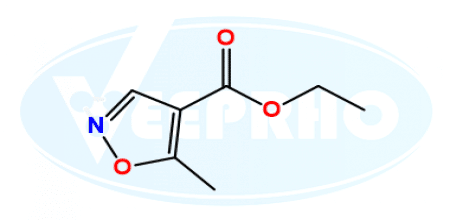
Parent: Leflunomide

Parent: Leflunomide

Parent: Leflunomide

Parent: Leflunomide

Parent: Leflunomide
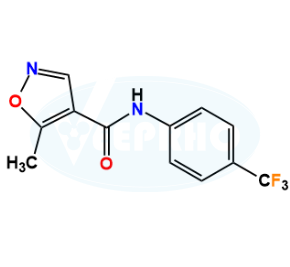
Parent: Leflunomide

Parent: Leflunomide

Parent: Leflunomide
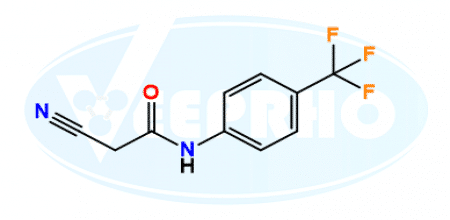
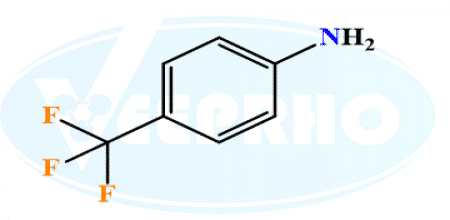
Impurities in leflunomide may arise from its synthetic process or degrade over time due to environmental factors. These impurities must be identified, quantified, and controlled as per ICH Q3A/B and pharmacopeial standards (e.g., USP, EP).
Process-Related Impurities
Degradation Impurities
Elemental Impurities
Analytical Techniques for Impurity Detection
Leflunomide is used to treat autoimmune diseases like rheumatoid arthritis by suppressing immune cell proliferation and inflammation.
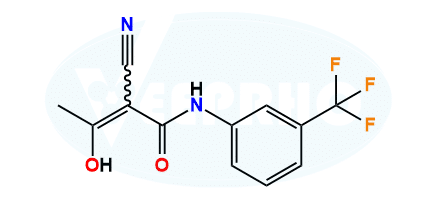
Leflunomide is converted into teriflunomide, which inhibits dihydroorotate dehydrogenase (DHODH), blocking pyrimidine synthesis and thereby reducing activated T-cell proliferation.
No. Leflunomide is contraindicated in pregnancy due to its teratogenic potential. Women of childbearing potential must undergo a washout procedure before conception.
Leflunomide is relatively stable under dry, controlled conditions but may degrade in the presence of light, moisture, or heat. Proper packaging and storage are essential.