
Bifonazole-Verunreinigungen
Angebot für ein Set anfordern
- Angebot für dieses Set anfragen
Alle EP-Verunreinigungen von Bifonazole
5 ProdukteDie 5 Produkte ansehen
- Bifonazole EP Impurity A VE0012765
CAS 7598-80-3 - Bifonazole EP Impurity B VE0012767
CAS 91679-37-7 - Bifonazole EP Impurity D (Chloride) VE0012763
CAS 66600-13-3 - Bifonazole EP Impurity E (Mixture of Diastereomers) VE0012768
- Enalapril EP Impurity I VL1360009
CAS 288-32-4
- Bifonazole EP Impurity A VE0012765

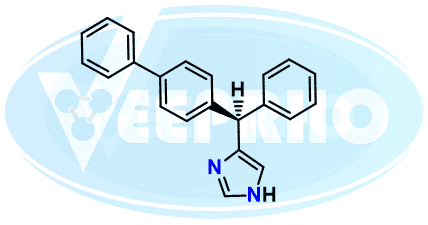
1–5 von 5 Ergebnissen5 auf Lager
| Struktur | Produktname |
|---|---|
| Bifonazole EP Impurity ACAS-Nr. 7598-80-3 · VE0012765 · Auf Lager | |
| Bifonazole EP Impurity BCAS-Nr. 91679-37-7 · VE0012767 · Auf Lager | |
 | Bifonazole EP Impurity D (Chloride)CAS-Nr. 66600-13-3 · VE0012763 · Auf Lager |
 | Bifonazole EP Impurity E (Mixture of Diastereomers)VE0012768 · Auf Lager |
| Enalapril EP Impurity ICAS-Nr. 288-32-4 · VL1360009 · Auf Lager |
Bifonazole Impurities and Related Compound
Typical quality control specifications for bifonazole active pharmaceutical ingredient follow ICH principles for related substances and set quantifiable limits for individual and total impurities; a common specification framework used by manufacturers and monographs is individual identified related compounds not more than 0.3 to 0.5 percent w/w, unspecified single impurities not more than 0.1 percent w/w, and total impurities not to exceed 1.0 to 2.0 percent w/w depending on the validated manufacturing process and stability profile. Known related compounds and degradants reported in stability studies include positional chloro isomers, hydroxylated derivatives, N-oxide or oxidized species and low-level desalkylation products, each controlled to the individual limits noted above. Residual solvents and heavy metals are controlled separately according to ICH Q3C and pharmacopeial limits, and final product acceptance requires validated impurity identification, qualification where toxicological concern thresholds are exceeded, and batch-specific certificates of analysis.
Häufige Fragen
What is bifonazole used for?
Bifonazole is used topically to treat superficial fungal infections of the skin such as tinea corporis, tinea pedis, tinea cruris, pityriasis versicolor and some cutaneous Candida infections; it is also formulated with carbamide for enhanced nail penetration in onychomycosis.
Is clotrimazole the same as bifonazole?
No, clotrimazole and bifonazole are both imidazole antifungals with similar mechanisms but they are distinct chemical entities with different pharmacokinetic properties, spectra, formulation history and sometimes differing clinical potency and duration of action.
Can you use bifonazole cream on your face?
Facial skin is thinner and more permeable, so bifonazole cream should only be used on the face on medical advice; short courses for diagnosed facial fungal infections may be appropriate, but avoid near the eyes and discontinue if irritation or dermatitis occurs.
Is bifonazole a steroid?
No, bifonazole is not a steroid; it is an antifungal imidazole compound and does not have the anti-inflammatory or immunosuppressive actions characteristic of corticosteroids.