
Finasteride-Verunreinigungen
Angebot für ein Set anfordern
- Angebot für dieses Set anfragen
Alle EP-Verunreinigungen von Finasteride
2 ProdukteDie 2 Produkte ansehen
- Finasteride EP Impurity A VL2990002
CAS 98319-24-5 - Finasteride EP Impurity C VL2990001
CAS 1329611-51-9
- Finasteride EP Impurity A VL2990002
- Angebot für dieses Set anfragen
Alle USP-Verunreinigungen von Finasteride
2 ProdukteDie 2 Produkte ansehen
- Finasteride EP Impurity A VL2990002
CAS 98319-24-5 - Finasteride EP Impurity C VL2990001
CAS 1329611-51-9
- Finasteride EP Impurity A VL2990002
- Angebot für dieses Set anfragen
Alle Nitrosamin-Verunreinigungen von Finasteride
4 ProdukteDie 4 Produkte ansehen
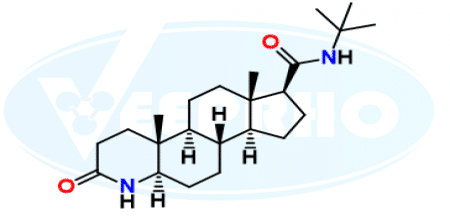
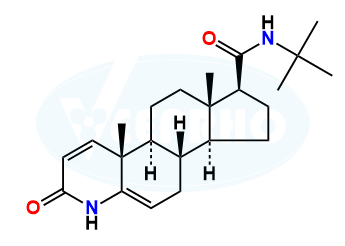
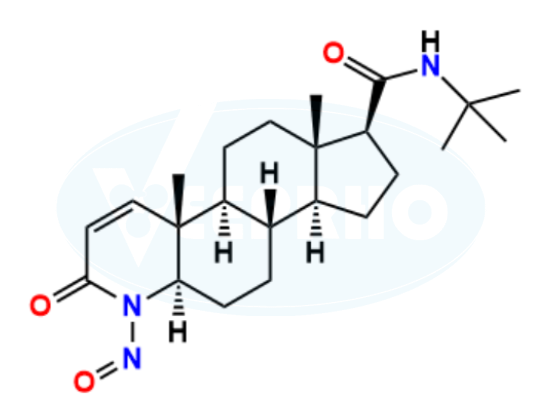
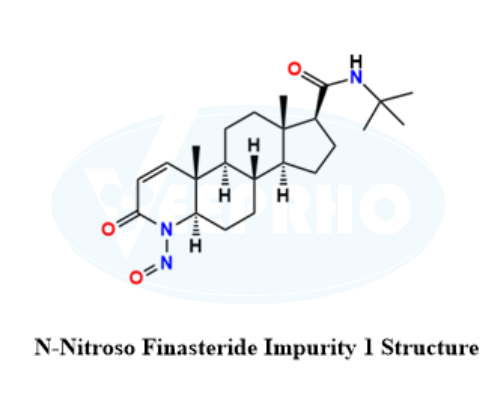
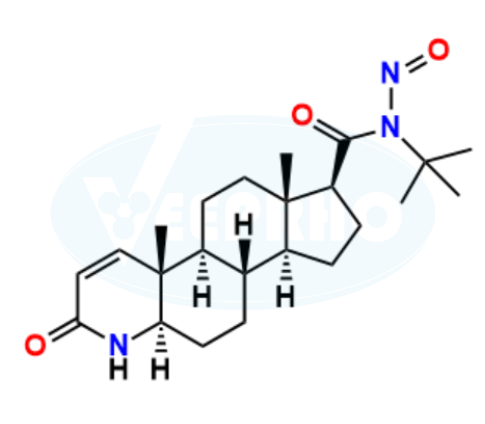
1–11 von 11 Ergebnissen9 auf Lager
| Struktur | Produktname |
|---|---|
| Finasteride Carboxylic AcidCAS-Nr. 116285-37-1 · VE0016141 · Auf Lager | |
| Finasteride EP Impurity ACAS-Nr. 98319-24-5 · VL2990002 · Auf Lager | |
| Finasteride EP Impurity CCAS-Nr. 1329611-51-9 · VL2990001 · Auf Lager | |
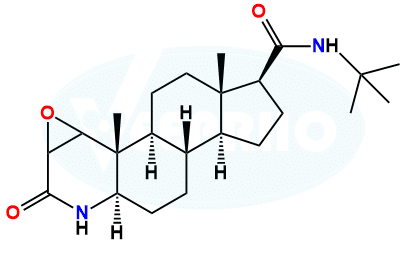 | Finasteride Impurity 2VE0016142 · Auf Lager |
| Finasteride Impurity 13CAS-Nr. 166896-74-8 · VE0016144 · Auf Lager | |
| Finasteride Impurity 15CAS-Nr. 133216-45-2 · VE0016145 · Auf Lager | |
| N-Nitroso Finasteride Impurity 1VE0013942 | |
| N-Nitroso Finasteride Impurity 2VE0013943 | |
| 3-Oxo-4-androsten-17beta-carboxylic acidCAS-Nr. 302-97-6 · VE0022888 · Auf Lager | |
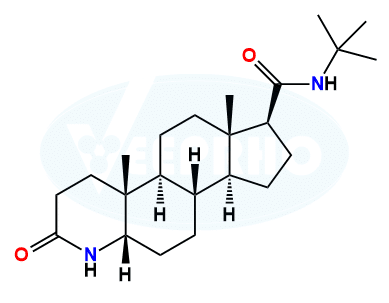 | 5β-Dihydro FinasterideCAS-Nr. 172922-52-0 · VE0016143 · Auf Lager |
| 5β-FinasterideCAS-Nr. 140375-22-0 · VE006563 · Auf Lager |
Finasteride Related Compound
Impurities in finasteride can arise from chemical synthesis, formulation, or storage degradation, and must comply with ICH and pharmacopeial standards for pharmaceutical products.
Types of Impurities in Finasteride
Process-Related Impurities
- Unreacted intermediates from steroid synthesis
- Residual solvents such as methanol or dichloromethane
- Synthetic by-products from ring fusion or side-chain modification
Degradation Impurities
- Oxidation products upon exposure to air or light
- Hydrolysis products due to moisture
- Thermal degradation under improper storage conditions
Elemental Impurities
- Trace heavy metals (e.g., lead, tin, palladium) from catalysts or manufacturing equipment
Analytical Techniques for Impurity Detection
- High-Performance Liquid Chromatography (HPLC)
- Mass Spectrometry (MS)
- Gas Chromatography (GC)
- Fourier-Transform Infrared Spectroscopy (FT-IR)
- Inductively Coupled Plasma Mass Spectrometry (ICP-MS) for elemental impurities
Häufige Fragen
What does finasteride actually do?
Finasteride inhibits the enzyme 5-alpha reductase , which converts testosterone to dihydrotestosterone (DHT) . By reducing DHT levels: It shrinks the prostate in men with BPH , improving urinary symptoms It helps prevent hair loss and promote regrowth in men with male pattern baldness , especially on the crown and middle of the scalp
What are the side effects of finasteride?
Some common or potential side effects include: Decreased libido Erectile dysfunction Ejaculation disorders Breast tenderness or enlargement Depression or mood changes (rare) In very rare cases, male breast cancer or persistent sexual side effects after stopping (called post-finasteride syndrome) have been reported.
Why do men not take finasteride?
Some men choose not to take finasteride due to: Concerns about sexual side effects (libido, erectile issues) Long-term use requirement – stopping treatment often reverses its effects Fear of rare but persistent side effects Fertility concerns , especially in men trying to conceive Need for regular medical supervision , particularly for prostate monitoring in older patients
Will finasteride regrow hair?
Yes , finasteride can help regrow hair in men with androgenetic alopecia , particularly at the vertex (crown) . Visible improvement usually occurs after 3 to 6 months of consistent use. Continued use is necessary to maintain benefits . If stopped, hair loss typically resumes within 6 to 12 months .