
Fluoxetine-Verunreinigungen
Angebot für ein Set anfordern
- Angebot für dieses Set anfragen
Alle EP-Verunreinigungen von Fluoxetine
5 ProdukteDie 5 Produkte ansehen
- Fluoxetine EP Impurity A VL1780001
CAS 42142-52-9 - Fluoxetine EP Impurity A (HCl Salt) VE008320
- Fluoxetine EP Impurity B VL1780002
CAS 23580-89-4 - Fluoxetine EP Impurity B (HCl Salt) VE008321
CAS 30684-07-2 - Fluoxetine EP Impurity C VL1780003
CAS 56161-72-9
- Fluoxetine EP Impurity A VL1780001
- Angebot für dieses Set anfragen
Alle USP-Verunreinigungen von Fluoxetine
6 ProdukteDie 6 Produkte ansehen
- Fluoxetine EP Impurity A VL1780001
CAS 42142-52-9 - Fluoxetine EP Impurity B VL1780002
CAS 23580-89-4 - Fluoxetine EP Impurity B (HCl Salt) VE008321
CAS 30684-07-2 - Fluoxetine EP Impurity C VL1780003
CAS 56161-72-9 - Fluoxetine Related Compound A (HCl Salt) VE0010117
CAS 79088-29-2 - Fluoxetine Related Compound C VL1780007
CAS 1026723-45-4
- Fluoxetine EP Impurity A VL1780001
- Angebot für dieses Set anfragen
Alle Nitrosamin-Verunreinigungen von Fluoxetine
4 ProdukteDie 4 Produkte ansehen
- Fluoxetine Nitroso EP Impurity B VE0024077
CAS 259547-00-7 - N-Nitroso Fluoxetine VE007630
CAS 150494-06-7 - N-Nitroso Fluoxetine EP Impurity A VE0016358
CAS 2659259-65-9 - N-Nitroso Fluoxetine EP Impurity C VE0028019
- Fluoxetine Nitroso EP Impurity B VE0024077
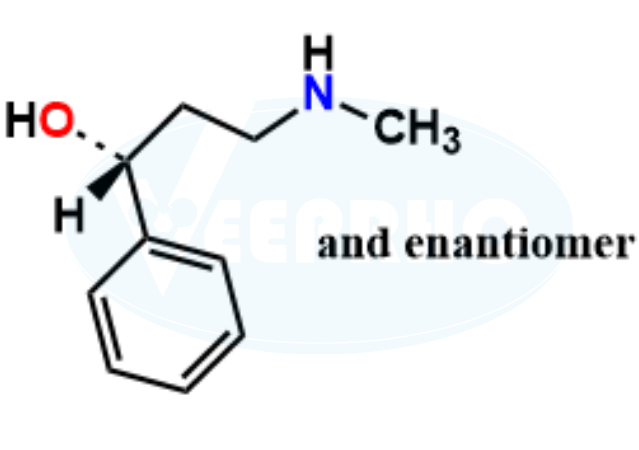
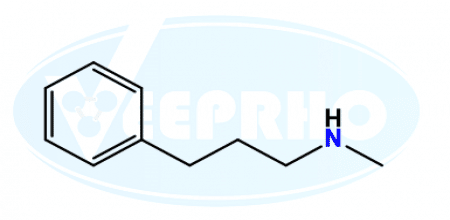
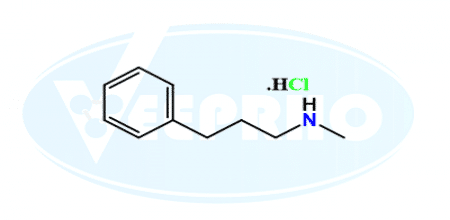
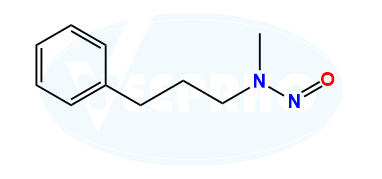
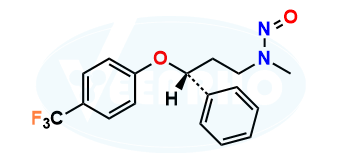

1–31 von 31 Ergebnissen28 auf Lager
| Struktur | Produktname |
|---|---|
| Fluoxetine 4-hydroxy BenzotrifluorideCAS-Nr. 402-45-9 · VL1780006 · Auf Lager | |
| Fluoxetine Dimethyl Amine ImpurityCAS-Nr. 885101-12-2 · VL1780005 · Auf Lager | |
| Fluoxetine Dimethyl Amine Impurity (Free Base)CAS-Nr. 56225-81-1 · VE007003 · Auf Lager | |
| Fluoxetine EP Impurity ACAS-Nr. 42142-52-9 · VL1780001 · Auf Lager | |
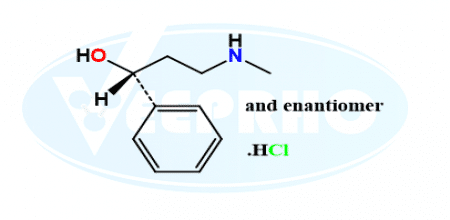 | Fluoxetine EP Impurity A (HCl Salt)VE008320 · Auf Lager |
| Fluoxetine EP Impurity BCAS-Nr. 23580-89-4 · VL1780002 · Auf Lager | |
| Fluoxetine EP Impurity B (HCl Salt)CAS-Nr. 30684-07-2 · VE008321 · Auf Lager | |
| Fluoxetine EP Impurity CCAS-Nr. 56161-72-9 · VL1780003 · Auf Lager | |
| Fluoxetine Impurity 1CAS-Nr. 5409-66-5 · VE0016346 · Auf Lager | |
| Fluoxetine Impurity 2CAS-Nr. 310452-35-8 · VE0016343 · Auf Lager | |
| Fluoxetine Impurity 3CAS-Nr. 5424-50-0 · VL1780013 · Auf Lager | |
 | Fluoxetine Impurity 3 (HCl)VE0016344 · Auf Lager |
| Fluoxetine Impurity 6CAS-Nr. 83554-67-0 · VE0021366 · Auf Lager | |
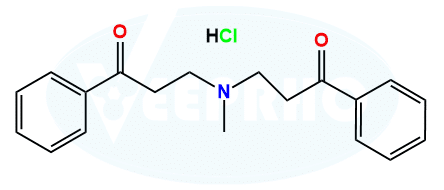 | Fluoxetine Impurity 7 (HCl)CAS-Nr. 2298-49-9 · VE0016345 · Auf Lager |
| Fluoxetine Impurity DCAS-Nr. 98-17-9 · VL1780011 · Auf Lager | |
| Fluoxetine Impurity-4CAS-Nr. 885101-12-2 · VL1780014 · Auf Lager | |
| Fluoxetine Inhouse Impurity (3 Chloropropiophenone)CAS-Nr. 936-59-4 · VL1780012 | |
| Fluoxetine N-Glucuronide (Sodium Salt )(Mixture of Diastereomers)VE0016382 · Auf Lager | |
| Fluoxetine Nitroso EP Impurity BCAS-Nr. 259547-00-7 · VE0024077 · Auf Lager | |
 | Fluoxetine Related Compound A (HCl Salt)CAS-Nr. 79088-29-2 · VE0010117 · Auf Lager |
| Fluoxetine Related Compound CCAS-Nr. 1026723-45-4 · VL1780007 · Auf Lager | |
| N-FormylfluoxetineCAS-Nr. 199188-97-1 · VE0013012 · Auf Lager | |
| N-Methyl-3-phenyl-3-(2-(trifluoromethyl)phenoxy)propan-1-amine HydrochlorideCAS-Nr. 2243504-22-3 · VE0022897 · Auf Lager | |
| N-Nitroso FluoxetineCAS-Nr. 150494-06-7 · VE007630 · Auf Lager | |
| N-Nitroso Fluoxetine EP Impurity ACAS-Nr. 2659259-65-9 · VE0016358 · Auf Lager | |
| N-Nitroso Fluoxetine EP Impurity CVE0028019 | |
| Norfluoxetine OxalateCAS-Nr. 107674-50-0 · VE0022526 · Auf Lager | |
| Rac 3-Chloro-1-PhenylpropanolCAS-Nr. 18776-12-0 · VE0010605 | |
| (R)-De(trifluoromethyl) Fluoxetine HydrochlorideCAS-Nr. 1212215-97-8 · VL1780004 · Auf Lager | |
| 3-(Dimethylamino)-3-phenylpropan-1-olCAS-Nr. 81402-52-0 · VE0017630 · Auf Lager | |
| 3-Dimethylamino-1-phenylpropan-1-olCAS-Nr. 5554-64-3 · VE0022915 · Auf Lager |
Fluoxetine Related Compound
During the production and storage of Fluoxetine, related compounds and impurities may form, which must be monitored to ensure the medication’s safety and efficacy. Regulatory authorities provide guidelines for acceptable impurity levels in pharmaceutical formulations. Key aspects of Fluoxetine-related compounds and impurities include:
- Related Substances: These include structurally similar compounds that may form during the synthesis of Fluoxetine. Monitoring these substances ensures the drug’s purity and therapeutic effectiveness.
- Degradation Products: Fluoxetine may degrade over time due to environmental factors such as heat, light, or moisture. These degradation products may impact its stability and potency.
- Residual Solvents: Trace amounts of solvents used during the manufacturing process may remain in the final product. Regulatory standards specify permissible limits to guarantee patient safety.
Advanced analytical methods, such as High-Performance Liquid Chromatography (HPLC), are employed to detect and quantify Fluoxetine-related compounds and impurities, ensuring compliance with stringent quality standards.
Häufige Fragen
Is Fluoxetine like Xanax?
No, Fluoxetine and Xanax are different medications. Fluoxetine is an SSRI used to treat depression, anxiety, OCD, and eating disorders, while Xanax is a benzodiazepine prescribed for acute anxiety and panic attacks. Their mechanisms of action and uses differ significantly.
What is Fluoxetine best used for?
Fluoxetine is best used for managing depression, obsessive-compulsive disorder, bulimia nervosa, and panic attacks. It is particularly effective for conditions involving persistent low mood, intrusive thoughts, or repetitive behaviors.
Is Fluoxetine a strong antidepressant?
Fluoxetine is considered an effective SSRI antidepressant. Its strength depends on the individual’s response and the severity of the condition being treated. It is often prescribed as a first-line treatment due to its well-established efficacy and safety profile.
What are the disadvantages of taking Fluoxetine?
Potential disadvantages of Fluoxetine include side effects such as nausea, insomnia, headache, and decreased libido. In some cases, it may take several weeks to notice improvements, and abrupt discontinuation can lead to withdrawal symptoms. Rare but serious risks include serotonin syndrome and increased anxiety at the start of treatment.