
Gentamicin-Verunreinigungen
Angebot für ein Set anfordern
- Angebot für dieses Set anfragen
Alle Nitrosamin-Verunreinigungen von Gentamicin
4 ProdukteDie 4 Produkte ansehen
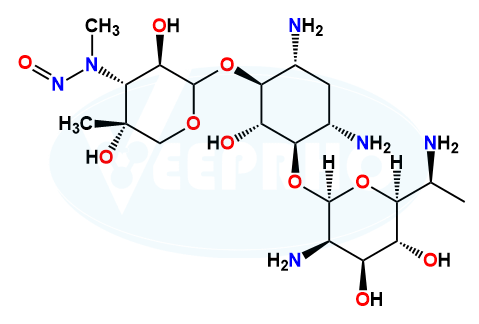
- Gentamicin Nitroso Impurity 6 VE0024941
- N-Nitroso Gentamicin 1 VE007829
- N-Nitroso Gentamicin 2 VE007831
- N-Nitroso Gentamicin 3 VE007832


1–11 von 11 Ergebnissen7 auf Lager
| Struktur | Produktname |
|---|---|
| Gentamicin C1CAS-Nr. 25876-10-2 · VZA000009 · Auf Lager | |
| Gentamicin C1 ACAS-Nr. 26098-04-4 · VE0026398 · Auf Lager | |
| Gentamicin C2CAS-Nr. 25876-11-3 · VZA000010 · Auf Lager | |
| Gentamicin C2aCAS-Nr. 59751-72-3 · VZA000011 · Auf Lager | |
| Gentamicin C2bCAS-Nr. 52093-21-7 · VZA000012 · Auf Lager | |
| Gentamicin Nitroso Impurity 6VE0024941 · Auf Lager | |
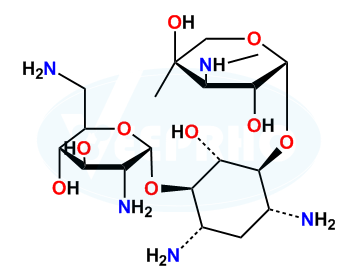 | Gentamicin Sulfate EP Impurity DVE0021045 |
| Gentamicin Sulfate EP Impurity E (Freebase)CAS-Nr. 2037-48-1 · VE0021046 · Auf Lager | |
| N-Nitroso Gentamicin 1VE007829 | |
| N-Nitroso Gentamicin 2VE007831 | |
| N-Nitroso Gentamicin 3VE007832 |
Gentamicin and Related Compound
Pharmaceutical gentamicin is a complex mixture of related aminoglycoside components, the principal congeners being designated gentamicin C1, C1a and C2, with minor species such as C2a and C2b; the relative proportions of these components vary by manufacturing lot and process. Regulatory monographs and manufacturer specifications typically require the major gentamicin components to account for the vast majority of the active material and control limits for impurities and related substances are applied; as a general analytical expectation, individual unidentified impurities are commonly limited to the low single digit percentage range and total related substances are controlled to a specification dependent limit often in the low percent range. Common related compounds and degradation products detectable by HPLC or LC-MS include positional isomers, deaminated species, desugarated fragments and oxidized derivatives. Impurity profiling and quantitation are performed using validated chromatographic methods such as reversed phase or ion exchange HPLC with appropriate detection, and acceptance criteria follow pharmacopeial monographs or product specific regulatory filings that specify limits, identification requirements and reporting thresholds.
Häufige Fragen
What is gentamicin used to treat?
Gentamicin is used to treat serious bacterial infections, particularly those caused by aerobic Gram negative organisms, and is used in combination with other antibiotics for certain Gram positive infections such as enterococcal or staphylococcal endocarditis; clinical indications include bone and joint infections, meningitis when indicated, severe pneumonia, complicated urinary tract infections and sepsis among others.
Is gentamicin high risk?
Yes, gentamicin is considered high risk because it has a narrow therapeutic window and is associated with dose and exposure dependent nephrotoxicity and ototoxicity; therapeutic drug monitoring, renal function monitoring, and careful dosing adjustments are required to reduce risk.
What is the brand name for gentamicin?
Common brand names for gentamicin formulations include Garamycin among others depending on region and manufacturer; generics are widely available as gentamicin sulfate for injection and for topical use.
Is gentamicin a first line antibiotic?
Gentamicin is not typically a first line agent for most common infections due to toxicity and the availability of safer alternatives; it is reserved for severe infections, specific susceptible Gram negative infections, or used in combination therapy for synergy when indicated.