
Granisetron-Verunreinigungen
Angebot für ein Set anfordern
- Angebot für dieses Set anfragen
Alle EP-Verunreinigungen von Granisetron
11 ProdukteDie 11 Produkte ansehen
- Granisetron EP Impurity A VE008126
CAS 127472-42-8 - Granisetron EP Impurity B VE006254
CAS 107007-95-4 - Granisetron EP Impurity C VE0015436
CAS 160177-67-3 - Granisetron EP Impurity C (HCl Salt) VE006255
CAS 141136-01-8 - Granisetron EP Impurity D VE006256
CAS 50890-83-0 - Granisetron EP Impurity E VE008127
CAS 1174751-61-1 - Granisetron EP Impurity E (Free Base) VE0021076
CAS 76272-56-5 - Granisetron EP Impurity F VE0014766
CAS 1364914-39-5 - Granisetron EP Impurity G VL4210001
CAS 34252-44-3 - Granisetron EP Impurity H VL4210002
CAS 4498-67-3 - Granisetron EP Impurity I VE0014767
CAS 1363173-34-5
- Granisetron EP Impurity A VE008126
- Angebot für dieses Set anfragen
Alle USP-Verunreinigungen von Granisetron
7 ProdukteDie 7 Produkte ansehen
- Granisetron EP Impurity A VE008126
CAS 127472-42-8 - Granisetron EP Impurity B VE006254
CAS 107007-95-4 - Granisetron EP Impurity C VE0015436
CAS 160177-67-3 - Granisetron EP Impurity C (HCl Salt) VE006255
CAS 141136-01-8 - Granisetron EP Impurity D VE006256
CAS 50890-83-0 - Granisetron EP Impurity E VE008127
CAS 1174751-61-1 - Granisetron EP Impurity E (Free Base) VE0021076
CAS 76272-56-5
- Granisetron EP Impurity A VE008126
- Angebot für dieses Set anfragen
Alle Nitrosamin-Verunreinigungen von Granisetron
6 ProdukteDie 6 Produkte ansehen
- N-Acetylaminoisonitrosoacetanilide VE0014769
CAS 123704-98-3 - N-Nitroso Granisetron VE0011607
- N-Nitroso Granisetron; Synthesis Attempts and Failure Report (NAP Test) VE0028993
- N-Nitroso Granisetron EP Impurity B VE0023747
- N-Nitroso Granisetron EP Impurity C VE0017158
- N-Nitroso-Granisetron Impurity-2 VE0023751
- N-Acetylaminoisonitrosoacetanilide VE0014769



1–19 von 19 Ergebnissen16 auf Lager
| Struktur | Produktname |
|---|---|
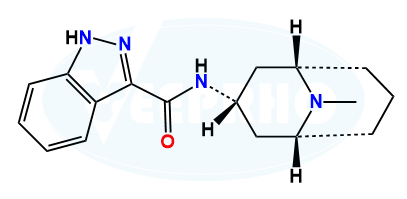
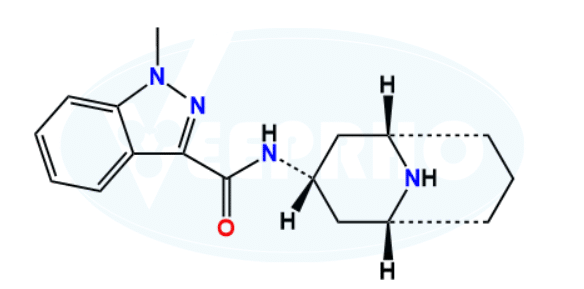
| Granisetron EP Impurity ACAS-Nr. 127472-42-8 · VE008126 · Auf Lager | |
| Granisetron EP Impurity BCAS-Nr. 107007-95-4 · VE006254 · Auf Lager | |
| Granisetron EP Impurity CCAS-Nr. 160177-67-3 · VE0015436 · Auf Lager | |
| Granisetron EP Impurity C (HCl Salt)CAS-Nr. 141136-01-8 · VE006255 · Auf Lager | |
| Granisetron EP Impurity DCAS-Nr. 50890-83-0 · VE006256 · Auf Lager | |
| Granisetron EP Impurity ECAS-Nr. 1174751-61-1 · VE008127 · Auf Lager | |
| Granisetron EP Impurity E (Free Base)CAS-Nr. 76272-56-5 · VE0021076 · Auf Lager | |
| Granisetron EP Impurity FCAS-Nr. 1364914-39-5 · VE0014766 · Auf Lager | |
| Granisetron EP Impurity GCAS-Nr. 34252-44-3 · VL4210001 · Auf Lager | |
| Granisetron EP Impurity HCAS-Nr. 4498-67-3 · VL4210002 · Auf Lager | |
| Granisetron EP Impurity ICAS-Nr. 1363173-34-5 · VE0014767 · Auf Lager | |
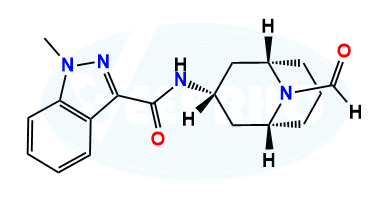 | Granisetron Impurity 1VE0014768 · Auf Lager |
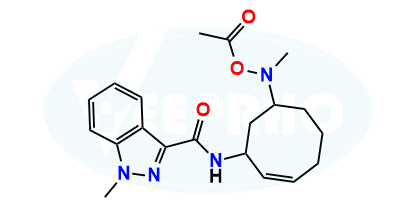 | Granisetron Impurity 4VE0014770 · Auf Lager |
| N-AcetylaminoisonitrosoacetanilideCAS-Nr. 123704-98-3 · VE0014769 | |
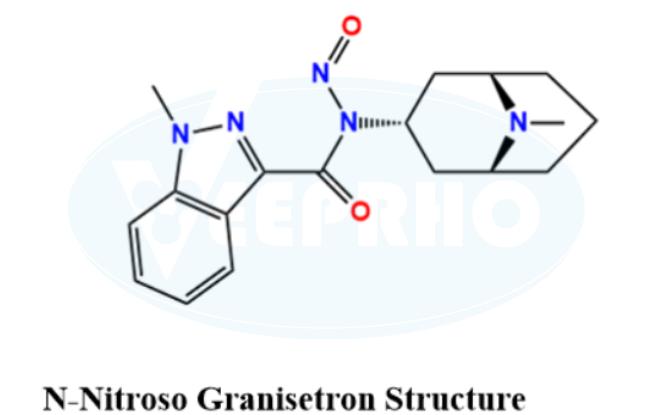
| N-Nitroso GranisetronVE0011607 | |
| N-Nitroso Granisetron EP Impurity BVE0023747 | |
| N-Nitroso Granisetron EP Impurity CVE0017158 · Auf Lager | |
| N-Nitroso-Granisetron Impurity-2VE0023751 · Auf Lager | |
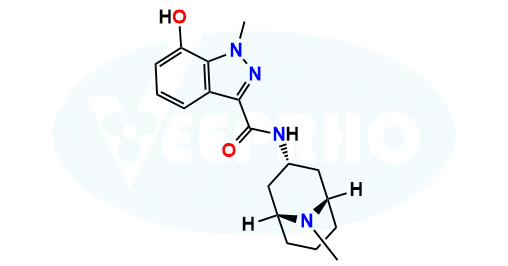 | 7-Hydroxy GranisetronVE0014771 · Auf Lager |
Granisetron Impurities and Related Compound
Typical pharmaceutical specifications for granisetron active pharmaceutical ingredient call for high assay purity, commonly greater than 99.0 percent, with control of related substances and process- and degradation-related impurities consistent with ICH Q3A and Q3B principles; commonly monitored related compounds include N-desmethyl granisetron, granisetron N-oxide, hydroxylated degradation products and trace process intermediates derived from carbazole or indazole precursors, and a representative specification used by manufacturers is: individual identified impurity limits about 0.1 to 0.2 percent each, unspecified individual impurities not more than 0.05 to 0.10 percent, total impurities typically not to exceed 0.5 percent, and residual solvents and heavy metals controlled to pharmacopeial limits, with specific batch release tests using validated HPLC and mass-spectrometric methods to quantify and identify impurities.
Häufige Fragen
What is the drug granisetron used for?
Granisetron is used to prevent and treat nausea and vomiting associated with cancer chemotherapy and radiation therapy by blocking 5-HT3 receptors in the gut and brain.
What is the difference between Ondansetron and granisetron?
Both are selective 5-HT3 receptor antagonists used as antiemetics, but they differ in chemical structure, receptor binding kinetics, pharmacokinetics and formulation options; granisetron generally has a longer elimination half-life and is available as a transdermal patch for multi-day coverage, while ondansetron has a shorter half-life and is commonly used in different dosing schedules, which can influence choice based on duration of emetogenic risk and patient-specific factors.
Is granisetron safe in pregnancy?
Use in pregnancy should be based on a risk-benefit assessment by a treating clinician; animal data exist but human data are limited, so granisetron is typically reserved for cases where the potential benefit justifies the potential risk to the fetus and alternative treatments have been considered.
What is the generic for granisetron?
Granisetron itself is the generic name of the molecule; it is marketed under various brand names and as generic formulations in oral, intravenous and transdermal forms.