
Iptacopan-Verunreinigungen
Angebot für ein Set anfordern
- Angebot für dieses Set anfragen
Alle Nitrosamin-Verunreinigungen von Iptacopan
5 ProdukteDie 5 Produkte ansehen
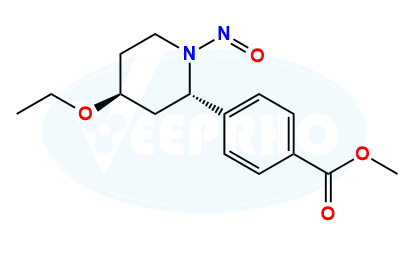
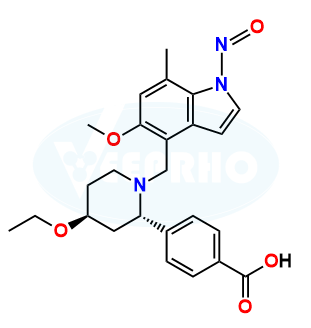

1–5 von 5 Ergebnissen5 auf Lager
| Struktur | Produktname |
|---|---|
| Methyl 4-((2S,4S)-4-ethoxy-1-nitrosopiperidin-2-yl)benzoateVE0024108 · Auf Lager | |
| N-Nitroso IptacopanVE0024826 · Auf Lager | |
| N-Nitroso Iptacopan Methyl Ester ImpurtiyVE0024788 · Auf Lager | |
| 5-Methoxy-7-methyl-1-nitroso-1H-indoleVE0024219 · Auf Lager | |
| 5-Methoxy-7-methyl-1-nitroso-1H-indole-4-carbaldehydeVE0024220 · Auf Lager |
Iptacopan and Related Compound
Iptacopan API batches are characterized for related substances, degradation products, residual solvents, heavy metals and water content in line with ICH guidelines; typical specification windows used by manufacturers and regulators include limits for individual related compounds often in the range of 0.1 to 0.5 percent by weight for qualified impurities, a total impurities limit commonly set between 1.0 and 2.0 percent by weight, residual solvents controlled to ICH Q3C class limits, and heavy metals limits in the low parts per million range. Known related compounds encountered during synthesis and metabolism studies include typical process-related tracers and oxidative or dealkylation metabolites which are monitored and qualified according to toxicological thresholds; exact impurity identification, acceptance criteria and amounts are defined in the master batch record and regulatory dossiers for each marketed product presentation.
Häufige Fragen
What is the drug iptacopan used for?
Iptacopan is used to treat adults with paroxysmal nocturnal hemoglobinuria and to reduce proteinuria in certain complement-mediated kidney diseases; it works by inhibiting complement factor B to limit complement-driven hemolysis and renal injury.
Is iptacopan approved in India?
Regulatory approval in India should be verified with the Central Drugs Standard Control Organization or the local Novartis affiliate; approval status can vary by country and over time, so consult official Indian regulatory sources or the product prescribing information for current local authorization.
What is the mechanism of action of iptacopan?
Iptacopan selectively inhibits complement factor B, preventing formation of the alternative pathway C3 convertase, which reduces downstream complement activation including C3 deposition and membrane attack complex formation, thereby decreasing hemolysis and complement-mediated tissue damage.
Is iptacopan FDA approved?
Iptacopan, marketed as Fabhalta, has received regulatory approval from major agencies for specified PNH indications; confirm the current FDA-approved indications and labeling in the official FDA prescribing information or the product’s regulatory documents.