
Lincomycin-Verunreinigungen
Angebot für ein Set anfordern
- Angebot für dieses Set anfragen
Alle EP-Verunreinigungen von Lincomycin
11 ProdukteDie 11 Produkte ansehen
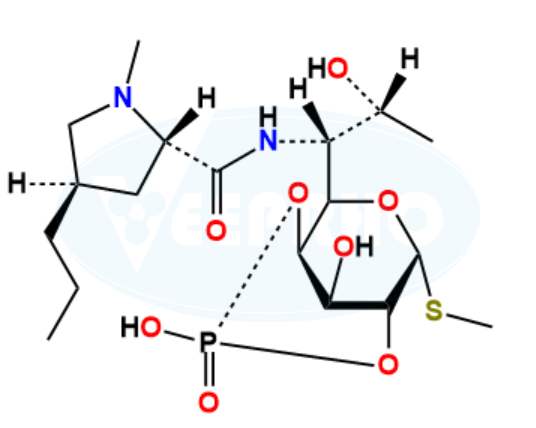
- Clindamycin Phosphate EP Impurity G VE006094
- Lincomycin EP Impurity A VE005866
- Lincomycin EP Impurity A (HCl Salt) VE0016844
- Lincomycin EP Impurity B VL4040003
CAS 37744-65-3 - Lincomycin EP Impurity C VE008290
CAS 14600-41-0 - Lincomycin EP Impurity C (Free Base) VE0016838
CAS 2256-16-8 - Lincomycin EP Impurity D (Free Base) VE008209
CAS 17017-22-0 - Lincomycin EP Impurity D (HCl Salt) VE008138
CAS 26389-84-4 - Lincomycin EP Impurity E VE006211
CAS 13380-36-4 - Lincomycin EP Impurity E (HCl Salt) VE006679
CAS 6734-79-8 - Lincomycin EP Impurity F VE006093
CAS 14810-93-6
- Angebot für dieses Set anfragen
Alle Nitrosamin-Verunreinigungen von Lincomycin
2 ProdukteDie 2 Produkte ansehen
- N-Demethyl N-Nitroso Lincomycin VE0024885
- N-Nitroso Lincomycin Impurity 1 VE0011697


1–17 von 17 Ergebnissen16 auf Lager
| Struktur | Produktname |
|---|---|
| Clindamycin Phosphate EP Impurity GVE006094 · Auf Lager | |
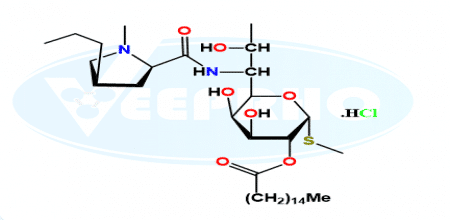 | Lincomycin 2-Palmitate HydrochlorideCAS-Nr. 23295-14-9 · VE009632 · Auf Lager |
| Lincomycin BCAS-Nr. 2520-24-3 · VE0016745 · Auf Lager | |
| Lincomycin B HClCAS-Nr. 11021-35-5 · VL4040004 · Auf Lager | |
 | Lincomycin EP Impurity AVE005866 · Auf Lager |
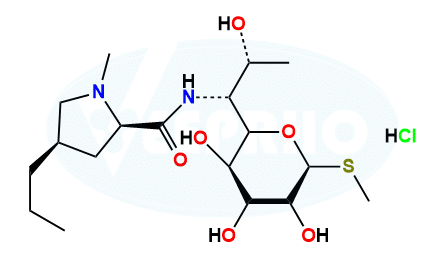 | Lincomycin EP Impurity A (HCl Salt)VE0016844 · Auf Lager |
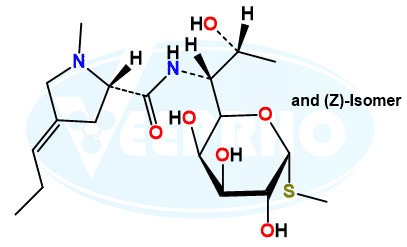 | Lincomycin EP Impurity BCAS-Nr. 37744-65-3 · VL4040003 · Auf Lager |
| Lincomycin EP Impurity CCAS-Nr. 14600-41-0 · VE008290 · Auf Lager | |
| Lincomycin EP Impurity C (Free Base)CAS-Nr. 2256-16-8 · VE0016838 · Auf Lager | |
| Lincomycin EP Impurity D (Free Base)CAS-Nr. 17017-22-0 · VE008209 · Auf Lager | |
 | Lincomycin EP Impurity D (HCl Salt)CAS-Nr. 26389-84-4 · VE008138 · Auf Lager |
| Lincomycin EP Impurity ECAS-Nr. 13380-36-4 · VE006211 · Auf Lager | |
| Lincomycin EP Impurity E (HCl Salt)CAS-Nr. 6734-79-8 · VE006679 · Auf Lager | |
| Lincomycin EP Impurity FCAS-Nr. 14810-93-6 · VE006093 · Auf Lager | |
| Lincomycin Sulfoxide (Mixture of Diastereomers)CAS-Nr. 22083-92-7 · VE0016849 · Auf Lager | |
| N-Demethyl N-Nitroso LincomycinVE0024885 · Auf Lager | |
| N-Nitroso Lincomycin Impurity 1VE0011697 |
Lincomycin Related Compound
Like all drugs, Lincomycin may contain specific impurities associated with its synthesis and manufacturing process. These impurities, which often include derivatives, degradates, and process-related compounds, may vary depending on several factors, yet their total amounts are minutely regulated and should not exceed a specific quantity in the final drug substance. The most common types of Lincomycin impurities include lincomycin B and related lincomycin compounds, which are structurally similar to the parent molecule. However, the presence of these impurities is stringently monitored and controlled within stipulated pharmaceutical guidelines to ensure safety and efficacy.
Häufige Fragen
What is lincomycin used for?
Lincomycin is used to treat severe bacterial infections, particularly those that are proven to be resistant to other forms of antibiotics. It is most effective against gram-positive aerobes and anaerobes and certain gram-negative anaerobes. It should only be used under the guidance of a medical professional.
Can I use lincomycin for a boil?
Yes, lincomycin can be used to treat skin and soft tissue infections such as boils caused by susceptible strains of Staphylococcus and Streptococcus bacteria. However, it should only be used on the recommendation of a healthcare provider.
Is lincomycin the same as clindamycin?
While lincomycin and clindamycin belong to the same class of antibiotics called Lincosamides, they are not the same. Clindamycin is considered to be more potent and has a broader spectrum of activity.
Is lincomycin a macrolide?
No, lincomycin is not a macrolide. It belongs to the lincosamide class of antibiotics. Although macrolides and lincosamides have similar modes of action, they are different in their chemical structure.