Mirabegron is used alone or in combination with other medications, such as solifenacin succinate, to treat symptoms of overactive bladder (OAB), including incontinence (loss of bladder control), urgency (a strong need to urinate right away), and frequent urination. It is also approved for the treatment of neurogenic detrusor overactivity (NDO), a condition affecting bladder control due to nervous system disorders. Mirabegron works by activating beta-3 adrenergic receptors in the bladder, which helps relax the bladder muscle and increases its storage capacity.
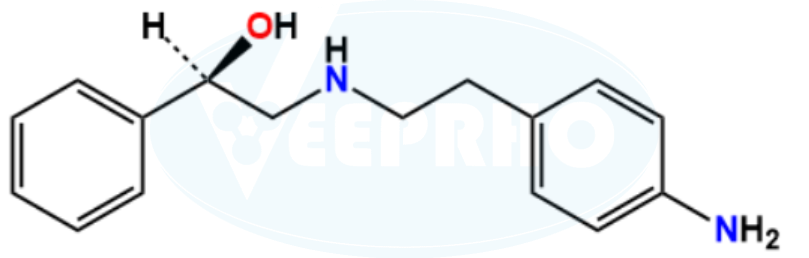
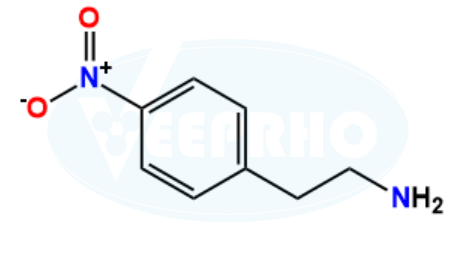
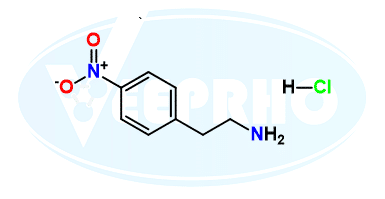
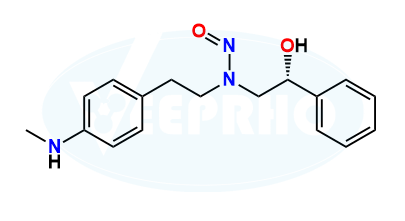
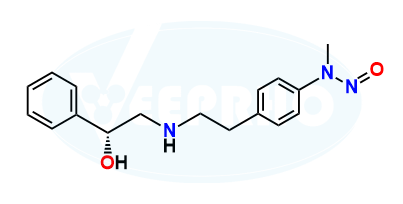
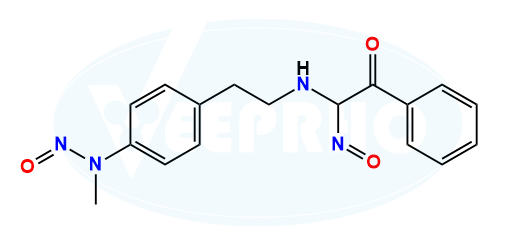
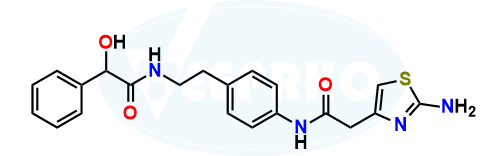
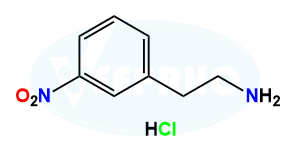
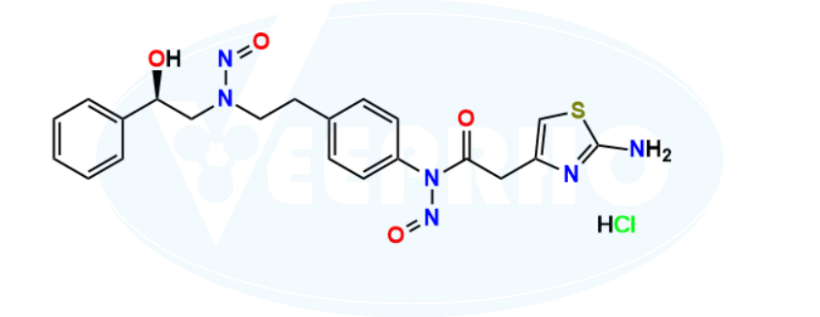
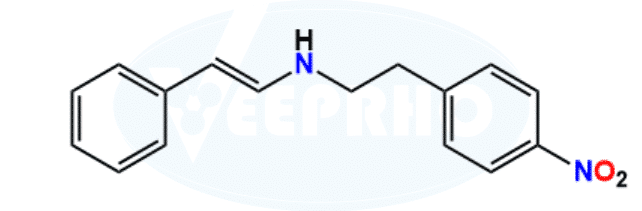
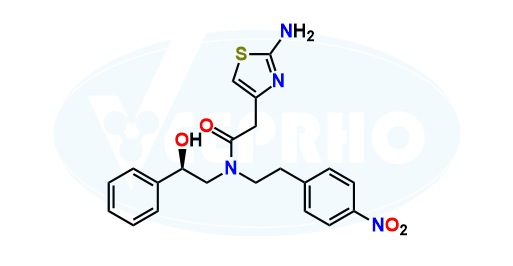
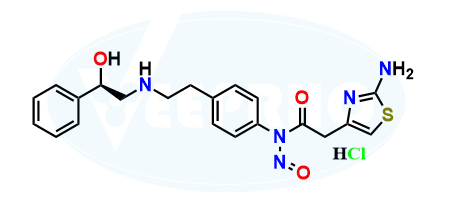
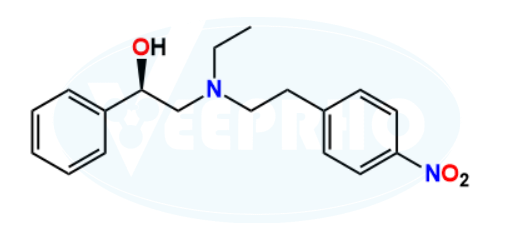
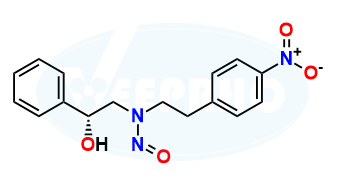
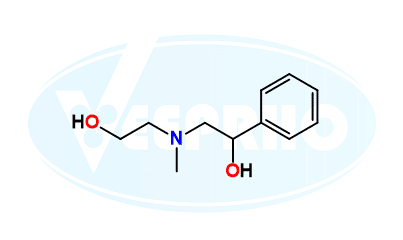
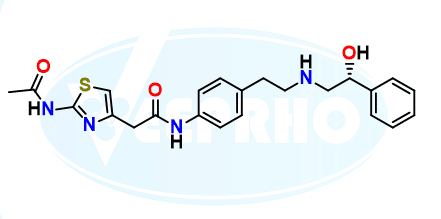
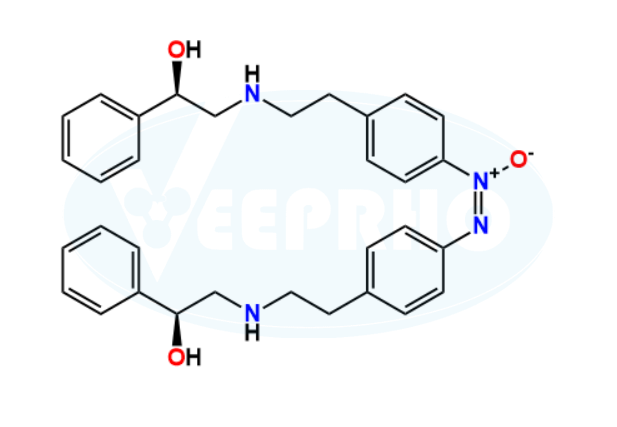
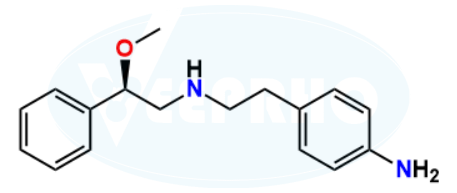
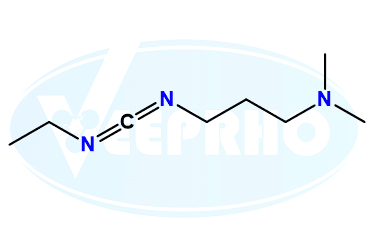
During the production and storage of Mirabegron, related compounds and impurities may form, which must be controlled to ensure the medication’s safety and efficacy. Regulatory authorities, such as the U.S. Food and Drug Administration (FDA), provide guidelines on permissible impurity levels in Mirabegron formulations. Key aspects of Mirabegron-related compounds and impurities include:
Related Substances: These are chemically similar compounds that may form during the synthesis of Mirabegron. Monitoring these related substances ensures the medication’s safety and therapeutic effectiveness.
Degradation Products: Mirabegron may degrade over time due to environmental factors such as light, heat, or moisture. Degradation products can compromise the drug’s stability and potency.
Residual Solvents: Trace amounts of solvents used in the manufacturing process may remain in the final product. Regulatory standards specify acceptable limits to ensure patient safety.
Advanced analytical techniques, such as High-Performance Liquid Chromatography (HPLC), are used to detect and quantify Mirabegron-related compounds and impurities, ensuring compliance with stringent quality standards.
Häufige Fragen
What is medicine Mirabegron used for?
Mirabegron is used to treat symptoms of overactive bladder (OAB), such as incontinence, urgency, and frequent urination. It is also used for neurogenic detrusor overactivity (NDO), a condition affecting bladder control due to nervous system issues.
Does Myrbetriq make it hard to pee?
Myrbetriq (Mirabegron) is designed to improve bladder function by relaxing the bladder muscle, making it easier to store urine. While rare, some individuals may experience difficulty urinating as a side effect, and this should be reported to a healthcare provider.
Is Mirabegron the same as Myrbetriq?
Yes, Myrbetriq is the brand name for Mirabegron. Both refer to the same medication used to treat symptoms of overactive bladder and neurogenic detrusor overactivity.
Is Mirabegron linked to dementia?
There is no conclusive evidence directly linking Mirabegron to dementia. However, as with any medication, it is important to discuss potential risks with a healthcare provider, especially for older adults or those with preexisting conditions.