
Pirfenidone-Verunreinigungen
Angebot für ein Set anfordern
- Angebot für dieses Set anfragen
Alle EP-Verunreinigungen von Pirfenidone
6 ProdukteDie 6 Produkte ansehen
- N-Nitroso Pirfenidone EP Impurity A VE009705
CAS 126209-21-0 - N-Nitroso Pirfenidone EP Impurity B VE009706
CAS 2512237-43-1 - Pirfenidone EP Impurity A VE006820
CAS 1603-41-4 - Pirfenidone EP Impurity C VL1630003
CAS 108-95-2 - Pirfenidone EP Impurity D VL1630004
CAS 108-86-1 - Pirfenidone Related Compound B VL1630002
CAS 1003-68-5
- N-Nitroso Pirfenidone EP Impurity A VE009705
- Angebot für dieses Set anfragen
Alle Nitrosamin-Verunreinigungen von Pirfenidone
2 ProdukteDie 2 Produkte ansehen
- N-Nitroso Pirfenidone EP Impurity A VE009705
CAS 126209-21-0 - N-Nitroso Pirfenidone EP Impurity B VE009706
CAS 2512237-43-1
- N-Nitroso Pirfenidone EP Impurity A VE009705


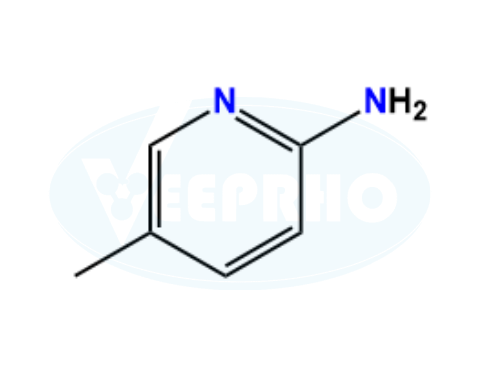
1–9 von 9 Ergebnissen7 auf Lager
| Struktur | Produktname |
|---|---|
| N-Nitroso Pirfenidone EP Impurity ACAS-Nr. 126209-21-0 · VE009705 | |
| N-Nitroso Pirfenidone EP Impurity BCAS-Nr. 2512237-43-1 · VE009706 | |
| N-Phenylpyridin-2(1H)-oneCAS-Nr. 13131-02-7 · VE0019328 · Auf Lager | |
| Pirfenidone 5-Carboxylic Acid ImpurityCAS-Nr. 77837-08-2 · VE0018080 · Auf Lager | |
 | Pirfenidone DimerVE0018106 · Auf Lager |
| Pirfenidone EP Impurity ACAS-Nr. 1603-41-4 · VE006820 · Auf Lager | |
| Pirfenidone EP Impurity CCAS-Nr. 108-95-2 · VL1630003 · Auf Lager | |
| Pirfenidone EP Impurity DCAS-Nr. 108-86-1 · VL1630004 · Auf Lager | |
| Pirfenidone Related Compound BCAS-Nr. 1003-68-5 · VL1630002 · Auf Lager |
Pirfenidone Impurities and Related Compound
Pirfenidone impurities are unwanted constituent present in Pirfenidone, which may arise during synthesis, storage or handling. They may be related compounds that share a similar structure to Pirfenidone or entirely different compounds. The amount and type of impurities in Pirfenidone can vary due to different factors including the manufacturing process, quality of raw materials used, storage conditions, and degradation over time. The presence and concentration of these impurities are critical as they can affect drug efficacy and safety. However, standards for acceptable levels of these impurities are strictly regulated by international pharmacopeia guidelines.
Häufige Fragen
What is the medicine pirfenidone used for?
Pirfenidone is primarily used in the treatment of idiopathic pulmonary fibrosis (IPF). IPF is a severe, chronic, and progressive form of interstitial pneumonia characterized by fibrotic tissue development. The drug may slow the progression of disease, reducing symptoms and improving the quality of life.
What is the mechanism of action of pirfenidone?
While the exact mechanism of action of pirfenidone is not fully understood, it is believed to inhibit the formation of growth factors like TGF-β and TNF-a that mediate fibrosis. Additionally, Pirfenidone reduces responsiveness to fibroblast growth factor (FGF), thereby decreasing inflammation and fibroproliferation.
Is pirfenidone a steroid?
No, pirfenidone is not a steroid. It is an antifibrotic agent that has anti-inflammatory and antioxidant properties.
What is the difference between pirfenidone and nintedanib?
Both pirfenidone and nintedanib are used in the treatment of idiopathic pulmonary fibrosis (IPF). However, they differ in their mechanisms of action. While pirfenidone has antifibrotic, anti-inflammatory, and antioxidant effects, nintedanib is a tyrosine-kinase inhibitor that primarily affects vascular endothelial growth factors and fibroblast growth factors. Both drugs have been shown to slow the decline in lung function associated with IPF.