
Tetracaine-Verunreinigungen
Angebot für ein Set anfordern
- Angebot für dieses Set anfragen
Alle EP-Verunreinigungen von Tetracaine
3 ProdukteDie 3 Produkte ansehen
- Tetracaine EP Impurity A (HCI Salt) VL2240001
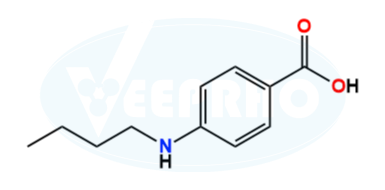
- Tetracaine EP Impurity B VL2240002
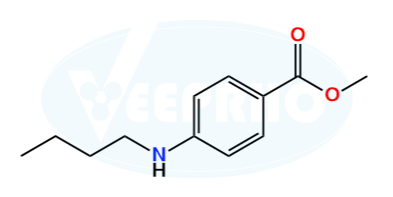
CAS 4740-24-3 - Tetracaine EP Impurity C VL2240003
CAS 71839-12-8
- Angebot für dieses Set anfragen
Alle USP-Verunreinigungen von Tetracaine
2 ProdukteDie 2 Produkte ansehen
- Tetracaine EP Impurity B VL2240002
CAS 4740-24-3 - Tetracaine EP Impurity C VL2240003
CAS 71839-12-8
- Tetracaine EP Impurity B VL2240002
- Angebot für dieses Set anfragen
Alle Nitrosamin-Verunreinigungen von Tetracaine
4 ProdukteDie 4 Produkte ansehen
- N-Nitroso Desmethyl Tetracaine VE0019560
CAS 3050754-69-0 - N-Nitroso Tetracaine VE0014146
CAS 3038740-94-9 - N-Nitroso Tetracaine EP Impurity B VE0024624
- N-Nitroso Tetracaine EP Impurity C VE0024623
- N-Nitroso Desmethyl Tetracaine VE0019560


1–9 von 9 Ergebnissen8 auf Lager
| Struktur | Produktname |
|---|---|
| N-Nitroso Desmethyl TetracaineCAS-Nr. 3050754-69-0 · VE0019560 | |
| N-Nitroso TetracaineCAS-Nr. 3038740-94-9 · VE0014146 · Auf Lager | |
| N-Nitroso Tetracaine EP Impurity BVE0024624 · Auf Lager | |
| N-Nitroso Tetracaine EP Impurity CVE0024623 · Auf Lager | |
 | Tetracaine EP Impurity A (HCI Salt)VL2240001 · Auf Lager |
| Tetracaine EP Impurity BCAS-Nr. 4740-24-3 · VL2240002 · Auf Lager | |
| Tetracaine EP Impurity CCAS-Nr. 71839-12-8 · VL2240003 · Auf Lager | |
| Tetracaine N-OxideCAS-Nr. 55750-02-2 · VE0019538 · Auf Lager | |
| 4-Nitrobenzoic AcidCAS-Nr. 62-23-7 · VE0011465 · Auf Lager |
Tetracaine Related Compound
Impurities in tetracaine can result from synthetic processes involving esterification and amine derivatization, as well as from degradation during storage, especially under hydrolytic or oxidative conditions. Impurity control is critical due to its parenteral and mucosal use, and must meet ICH Q3A/B and USP/EP standards.
Types of Impurities in Tetracaine
Process-Related Impurities
- Unreacted starting materials such as para-butylaminobenzoic acid or dimethylaminoethanol
- Side products from esterification or rearrangement reactions
- Residual solvents like ethanol, isopropanol, or toluene
Degradation Impurities
- Hydrolysis products: particularly para-butylaminobenzoic acid (a known degradation marker)
- Oxidized amine derivatives
- Impurities formed under acidic or basic conditions, especially in aqueous or topical formulations
Elemental Impurities
- Trace metals such as iron, nickel, or copper from processing equipment
- Controlled as per ICH Q3D guidelines, particularly for injectable or ophthalmic products
Analytical Techniques for Impurity Detection
- High-Performance Liquid Chromatography (HPLC) – for assay and related substances
- LC-MS (Liquid Chromatography–Mass Spectrometry) – for identifying unknown or low-level degradants
- Gas Chromatography (GC) – for residual solvent analysis
- ICP-MS – for elemental impurity profiling
- UV-Vis and FT-IR Spectroscopy – for identity and structural verification
Häufige Fragen
What is Tetracaine used for?
Tetracaine is used to provide local or regional anesthesia during short surgical, diagnostic, or therapeutic procedures involving the eyes, skin, or spinal region.
How does Tetracaine work?
It blocks sodium ion channels on nerve cells, stopping nerve signal conduction and resulting in temporary loss of sensation.
What are common side effects of Tetracaine?
Burning or stinging at the application site Hypotension or bradycardia (with spinal use) Rare: Allergic reactions, especially with ester-type anesthetics CNS toxicity (with overdose or systemic absorption)
Is Tetracaine safe for ophthalmic use?
Yes, it is widely used for eye anesthesia , but repeated or prolonged use can damage corneal tissues. It should be used under medical supervision.
Does Tetracaine degrade easily?
Yes. Tetracaine is sensitive to hydrolysis (especially in aqueous environments) and should be stored in cool, dry, and light-protected conditions to maintain stability.