
Tetracycline-Verunreinigungen
Angebot für ein Set anfordern
- Angebot für dieses Set anfragen
Alle EP-Verunreinigungen von Tetracycline
6 ProdukteDie 6 Produkte ansehen
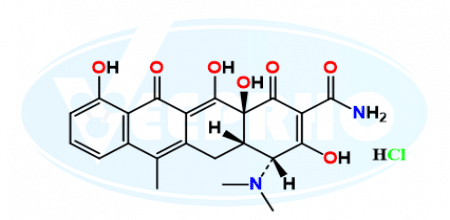
- Anhydrotetracycline hydrochloride VL4230002
CAS 13803-65-1 - Lymecycline EP Impurity D (HCl Salt) VE009389
CAS 4465-65-0 - Tetracycline Chloro HCl VE006509
CAS 64-72-2 - Tetracycline Impurity A VL4230001
CAS 79-85-6 - 2-Acetyl-2-decarbamoyltetracycline VL4230005
CAS 6542-44-5 - 4-Epitetracycline hydrochloride VL4230007
CAS 23313-80-6
- Anhydrotetracycline hydrochloride VL4230002
- Angebot für dieses Set anfragen
Alle USP-Verunreinigungen von Tetracycline
3 ProdukteDie 3 Produkte ansehen
- Anhydrotetracycline hydrochloride VL4230002
CAS 13803-65-1 - Lymecycline EP Impurity D (HCl Salt) VE009389
CAS 4465-65-0 - 4-Epitetracycline hydrochloride VL4230007
CAS 23313-80-6
- Anhydrotetracycline hydrochloride VL4230002
- Angebot für dieses Set anfragen
Alle Nitrosamin-Verunreinigungen von Tetracycline
6 ProdukteDie 6 Produkte ansehen
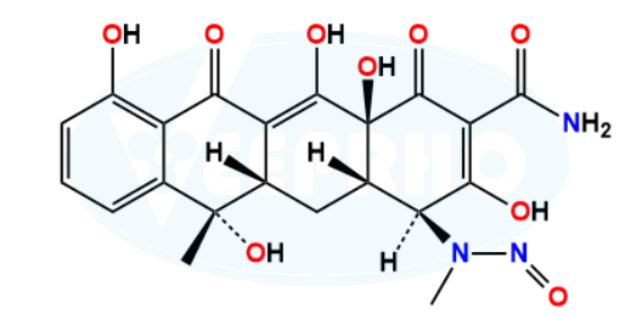
- N-Nitroso Desmethyl Tetracycline VE0014242
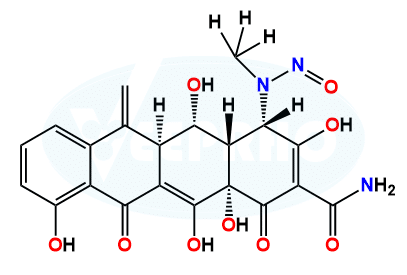
- N-Nitroso-4-monomethylamino-6-deoxytetracycline VE0024550
- N-Nitroso-N-desmethyl-metacycline VE0018725
- N-Nitroso Desmethyl Metacycline; Synthesis Attempts and Failure Report (NAP Test) VE0027992
- N-Nitroso-N-desmethyl-oxytetracycline VE0018727
- N-Nitroso Desmethyl Oxytetracycline; Synthesis Attempts and Failure Report (NAP Test) VE0027993


1–10 von 10 Ergebnissen7 auf Lager
| Struktur | Produktname |
|---|---|
| Anhydrotetracycline hydrochlorideCAS-Nr. 13803-65-1 · VL4230002 · Auf Lager | |
| Lymecycline EP Impurity D (HCl Salt)CAS-Nr. 4465-65-0 · VE009389 · Auf Lager | |
| N-Nitroso Desmethyl TetracyclineVE0014242 | |
| N-Nitroso-4-monomethylamino-6-deoxytetracyclineVE0024550 · Auf Lager | |
| N-Nitroso-N-desmethyl-metacyclineVE0018725 | |
| N-Nitroso-N-desmethyl-oxytetracyclineVE0018727 | |
 | Tetracycline Chloro HClCAS-Nr. 64-72-2 · VE006509 · Auf Lager |
| Tetracycline Impurity ACAS-Nr. 79-85-6 · VL4230001 · Auf Lager | |
| 2-Acetyl-2-decarbamoyltetracyclineCAS-Nr. 6542-44-5 · VL4230005 · Auf Lager | |
| 4-Epitetracycline hydrochlorideCAS-Nr. 23313-80-6 · VL4230007 · Auf Lager |
Tetracycline and Related Compound
The impurity and related compound profile for tetracycline includes epimers such as 4-epitetracycline, dehydration products such as anhydrotetracycline and anhydro-epimers, oxidative and demethylated derivatives, and trace amounts of structurally related tetracycline analogs. Analytical control is normally performed by validated reversed-phase HPLC with photodiode array or mass spectrometric detection to quantify individual and total related substances. Typical specification practice for active pharmaceutical ingredient batches and finished products is to control individual known related compounds to low single digit percentage levels and total impurities to a low percent range, for example individual specified impurities often limited to about 0.5 to 1.5 percent and total impurities commonly limited to about 2.0 to 3.0 percent depending on the pharmacopeial monograph and regulatory filing; unidentified impurities are usually held to more stringent limits consistent with ICH guidelines. Acceptance criteria, degradation limits and assay requirements vary by region and monograph, so manufacturers reference USP, Ph. Eur. or other applicable standards when defining exact impurity limits.
Häufige Fragen
What is tetracycline used to treat?
Tetracycline is used to treat a broad range of bacterial infections including acne, respiratory tract infections, sexually transmitted infections, certain zoonoses such as brucellosis, enteric infections such as cholera, and it has been used as part of regimens for malaria and plague; specific indications depend on the formulation, susceptibility of the organism, and national guidelines.
Is tetracycline a macrolide?
No, tetracycline is not a macrolide; it belongs to the tetracycline class and acts by inhibiting the 30S ribosomal subunit, whereas macrolides act primarily on the 50S ribosomal subunit and have a different chemical structure and spectrum.
What are the four tetracyclines?
Commonly referenced tetracyclines include tetracycline itself, doxycycline, minocycline, and oxytetracycline; these four share the tetracyclic core but differ in substitution patterns that affect pharmacokinetics and clinical use.
Is tetracycline good for wounds?
Topical tetracycline formulations can reduce bacterial load in some superficial skin infections and are used in dermatology for certain wound-related conditions, but systemic use for significant wound infections depends on culture and susceptibility; wound management should follow clinical assessment and local antimicrobial stewardship recommendations.