
Vibegron-Verunreinigungen
Angebot für ein Set anfordern
- Angebot für dieses Set anfragen
Alle Nitrosamin-Verunreinigungen von Vibegron
2 ProdukteDie 2 Produkte ansehen
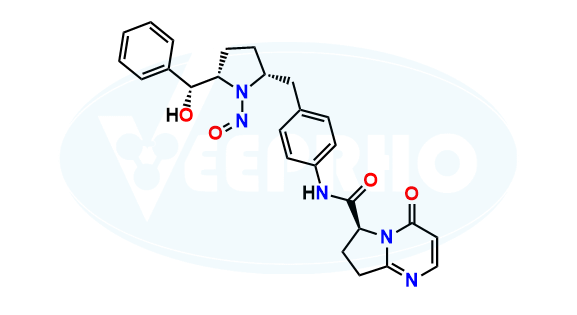
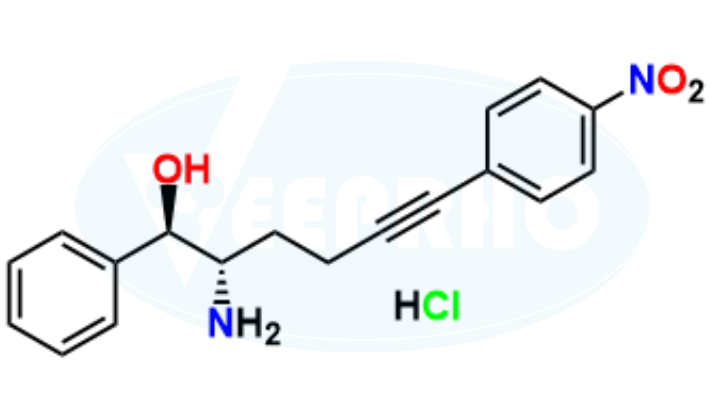
1–18 von 18 Ergebnissen14 auf Lager

Vibegron Related Compound
As with all pharmaceutical products, impurities may form in vibegron during manufacturing, storage, or handling. Regulatory agencies like the U.S. FDA and EMA enforce strict guidelines to monitor and control impurities to ensure the drug’s safety and efficacy. Types of Impurities in Vibegron Related Substances These are chemically related byproducts or intermediates that may form during the synthesis of vibegron. Controlling these impurities is crucial to maintain the drug’s purity and therapeutic effectiveness. Degradation Products Vibegron can degrade over time when exposed to environmental factors such as light, heat, or moisture. Degradation products can compromise the medication’s stability and safety, making proper storage conditions essential. Residual Solvents Trace amounts of solvents used during the manufacturing process may remain in the final product. Regulatory standards ensure that residual solvents are within acceptable limits to minimize potential risks to patients. Analytical Techniques for Monitoring Impurities Techniques such as High-Performance Liquid Chromatography (HPLC) and Mass Spectrometry (LC-MS) are used to detect and quantify impurities, ensuring vibegron meets stringent safety and quality standards.
Häufige Fragen
What to avoid when taking Gemtesa?
Patients taking Gemtesa should avoid consuming large quantities of alcohol, as it may exacerbate certain side effects like dizziness or nausea. Additionally, inform your doctor about any other medications or supplements you are taking to avoid potential drug interactions, particularly with anticholinergic medications.
What are the contraindications for vibegron?
Vibegron is contraindicated in individuals with hypersensitivity to the active ingredient or any of its components. Patients with severe uncontrolled hypertension or specific bladder conditions may require alternative treatments. Always consult your healthcare provider before starting vibegron.
When is the best time to take vibegron?
Vibegron can be taken at any time of the day, with or without food. It is important to take it at the same time each day to maintain consistent blood levels and maximize its effectiveness. Follow your doctor’s instructions regarding the timing of the dose.
Is Gemtesa bad for the liver?
Gemtesa (vibegron) has not been shown to cause significant liver toxicity in most patients. However, individuals with pre-existing liver conditions should inform their healthcare provider before starting vibegron, as liver function may need to be monitored during treatment.