
Impurezas de Antipyrine
Solicitar cotización de un conjunto
- Solicitar cotización de este conjunto
Todas las impurezas de nitrosaminas de Antipyrine
2 productosVer los 2 productos
- N-Nitroso Antipyrine Impurity 1 VE0028384
CAS 79917-37-6 - N-Nitrosoantipyrine VL6710004
CAS 885-11-0
- N-Nitroso Antipyrine Impurity 1 VE0028384
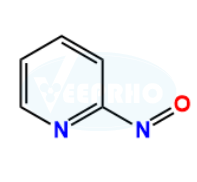

1–9 de 9 resultados9 en stock
| Estructura | Nombre del producto |
|---|---|
| Antipyrine Impurity 2N.º CAS 83-15-8 · VE0012238 · En stock | |
| Antipyrine-4-PeroxideN.º CAS 69124-27-2 · VL6710007 · En stock | |
| N-Nitroso Antipyrine Impurity 1N.º CAS 79917-37-6 · VE0028384 · En stock | |
| N-NitrosoantipyrineN.º CAS 885-11-0 · VL6710004 · En stock | |
| 4-Formyl Methylamino Antipyrine (FMAA)N.º CAS 1672-59-9 · VL6710002 · En stock | |
| 4-Hydroxy AntipyrineN.º CAS 1672-63-5 · VL6710006 · En stock | |
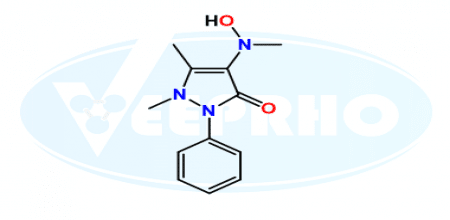 | 4-Methylamino Antipyridine N-OxideVL6710003 · En stock |
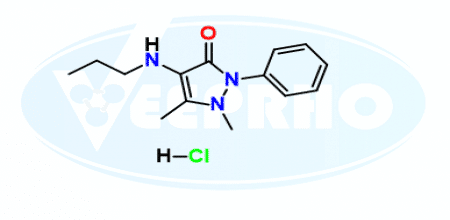 | 4-Propyl Aminoantipyrine HClVL6710001 · En stock |
| 4-Sulfate AminoantipyrineN.º CAS 1759-26-8 · VL6710010 · En stock |
Antipyrine Related Compound
During the production and storage of antipyrine, impurities may develop that can affect the medication's safety and effectiveness. Regulatory agencies such as the U.S. Food and Drug Administration (FDA) and the European Medicines Agency (EMA) have established guidelines for acceptable levels of impurities in pharmaceutical products to ensure patient safety.
FAQs
Preguntas frecuentes
What is antipyrine used for?
Antipyrine is used as an analgesic and antipyretic for pain relief and fever reduction. In combination with benzocaine, it is commonly found in otic solutions used to treat ear pain associated with acute otitis media. Additionally, antipyrine is used in research settings to study the effects of other drugs on liver enzyme activity, making it a valuable tool for assessing liver function.
What is another name for antipyrine?
Another name for antipyrine is phenazone. Both names refer to the same chemical compound, which has analgesic and antipyretic properties. Phenazone is commonly used in certain regions and medical literature to describe antipyrine.
Is antipyrine an antibiotic?
No, antipyrine is not an antibiotic. It is an analgesic and antipyretic used for pain relief and fever reduction. Although it is commonly used in otic solutions to alleviate pain from ear infections, it does not treat the underlying infection itself. Antipyrine is often combined with benzocaine to provide relief from pain and inflammation, but it does not have antibacterial properties.
Why was antipyrine and benzocaine discontinued?
The combination of antipyrine and benzocaine was discontinued due to the development of newer, more effective treatments and concerns about safety. Benzocaine, in particular, has been associated with a rare but serious condition called methemoglobinemia, which affects blood oxygen levels. As a result, many formulations containing benzocaine and antipyrine were phased out in favor of safer alternatives for pain relief and the treatment of ear conditions.