
Impurezas de Diprophylline
Solicitar cotización de un conjunto
- Solicitar cotización de este conjunto
Todas las impurezas EP de Diprophylline
4 productosVer los 4 productos
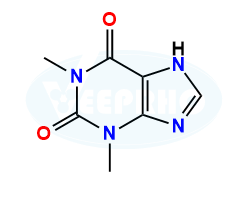
- Caffeine EP Impurity A VL3710003
CAS 58-55-9 - Diprophylline EP Impurity A VE005962
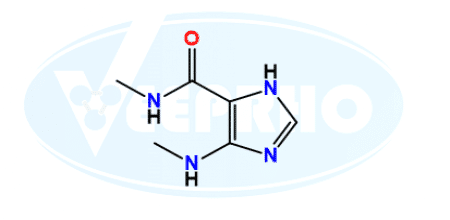
CAS 6736-40-9 - Diprophylline EP Impurity D VE0023252
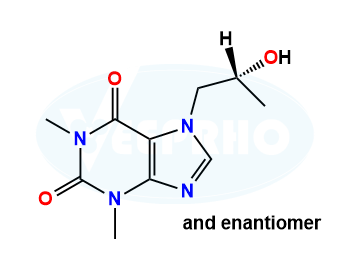
CAS 603-00-9 - Theophylline EP Impurity F VE009294
CAS 519-37-9
- Caffeine EP Impurity A VL3710003
- Solicitar cotización de este conjunto
Todas las impurezas USP de Diprophylline
2 productosVer los 2 productos
- Caffeine EP Impurity A VL3710003
CAS 58-55-9 - Theophylline EP Impurity F VE009294
CAS 519-37-9
- Caffeine EP Impurity A VL3710003
1–4 de 4 resultados4 en stock
| Estructura | Nombre del producto |
|---|---|
| Caffeine EP Impurity AN.º CAS 58-55-9 · VL3710003 · En stock | |
| Diprophylline EP Impurity AN.º CAS 6736-40-9 · VE005962 · En stock | |
| Diprophylline EP Impurity DN.º CAS 603-00-9 · VE0023252 · En stock | |
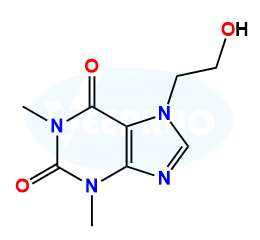 | Theophylline EP Impurity FN.º CAS 519-37-9 · VE009294 · En stock |
Diprophylline and Related Compound
Typical quality specifications for diprophylline API used in manufacturing and regulatory monographs set assay acceptance around 98.0 percent or greater by validated HPLC, with individual related substances and specified impurities normally limited to the 0.1 to 0.5 percent range depending on the impurity identity and regulatory requirement, and total impurities commonly limited to 0.5 to 1.0 percent. Common related compounds and degradation products to monitor include theophylline and methylxanthine demethylation products, positional isomers of the dihydroxypropyl substituent, and mono-hydroxylated derivatives; manufacturers often set a reporting threshold of 0.05 percent for unspecified impurities and qualification thresholds in line with ICH Q3A/Q3B based on maximum daily dose. Residual solvents must comply with ICH Q3C limits, heavy metals are controlled to typical pharmacopeial ppm levels, and analytical methods for release testing include HPLC-UV and LC-MS for identity, assay, and related-substance quantitation.
Preguntas frecuentes
What is Diprophylline used for?
Diprophylline is used as a bronchodilator and vasodilator in respiratory conditions such as acute and chronic asthma, bronchitis with bronchospasm, and cardiac dyspnea; it is employed as monotherapy or adjunct therapy to relieve bronchospasm and improve airway patency and diaphragmatic function.
What is the mechanism of action of Diprophylline?
Diprophylline acts primarily by antagonizing adenosine receptors and inhibiting phosphodiesterase enzymes, which raises intracellular cyclic AMP in airway smooth muscle leading to relaxation; additional effects include improved mucociliary clearance, mild cardiac stimulation, and enhanced diaphragmatic contractility, with pharmacokinetic properties influenced by its hydrophilic 7-(2,3-dihydroxypropyl) substituent.
What is the difference between theophylline and Diprophylline?
Diprophylline differs from theophylline by the 7-(2,3-dihydroxypropyl) substitution, which increases water solubility and reduces central nervous system penetration; clinically this usually means diprophylline has a more favorable tolerability profile, greater renal elimination and fewer CYP-mediated drug interactions, and generally lower incidence of CNS and gastrointestinal adverse effects, whereas theophylline is more lipophilic, more reliant on hepatic metabolism and often requires closer therapeutic drug monitoring.