
Impurezas de Mefenamic Acid
Solicitar cotización de un conjunto
- Solicitar cotización de este conjunto
Todas las impurezas EP de Mefenamic Acid
5 productosVer los 5 productos
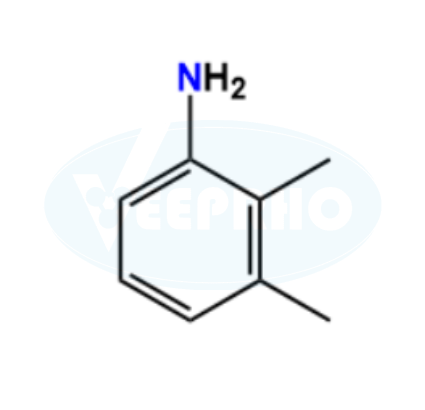
- Mefenamic Acid EP Impurity A VL2950001
CAS 87-59-2 - Mefenamic Acid EP Impurity C VL2950002
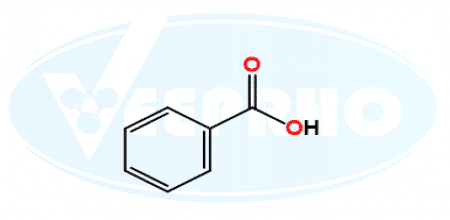
CAS 118-91-2 - Mefenamic Acid EP Impurity D VL2950003
CAS 65-85-0 - Mefenamic Acid EP Impurity E VE0017339
CAS 4869-11-8 - Tolfenamic Acid EP Impurity B VE0020228
CAS 87-60-5
- Mefenamic Acid EP Impurity A VL2950001

1–10 de 10 resultados10 en stock
| Estructura | Nombre del producto |
|---|---|
| Mefenamic Acid EP Impurity AN.º CAS 87-59-2 · VL2950001 · En stock | |
| Mefenamic Acid EP Impurity CN.º CAS 118-91-2 · VL2950002 · En stock | |
| Mefenamic Acid EP Impurity DN.º CAS 65-85-0 · VL2950003 · En stock | |
| Mefenamic Acid EP Impurity EN.º CAS 4869-11-8 · VE0017339 · En stock | |
| Mefenamic Acid Impurity 1N.º CAS 83-41-0 · VE0028555 · En stock | |
| Mefenamic Acid Impurity 3N.º CAS 53877-42-2 · VE0028560 · En stock | |
| Mefenamic Acid Impurity 10N.º CAS 196617-88-6 · VE0028561 · En stock | |
| Mefenamic Acid Impurity 11N.º CAS 5129-20-4 · VE0028562 · En stock | |
| N-Nitroso-Mefenamic Acid (Na Salt)VE0017304 · En stock | |
| Tolfenamic Acid EP Impurity BN.º CAS 87-60-5 · VE0020228 · En stock |
Mefenamic Acid Impurities and Related Compound
Quality control for mefenamic acid follows standard impurity management principles and sets quantitative limits for related substances, degradants, residual solvents and metals according to regulatory guidance. Typical specifications used in manufacturing and pharmacopeial monographs include assay criteria close to labeled potency and related substance limits where individual known impurities are commonly restricted to the range of 0.1 to 0.3 percent by area or weight and the sum of all impurities is commonly limited to 0.5 to 1.0 percent depending on the monograph and intended product. Related compounds encountered in synthesis or degradation can include 2,3-dimethylaniline, anthranilic acid derivatives, N-oxide or hydroxylated metabolites and low-level desmethyl species; individual limits for these specified related substances are often set at about 0.1 to 0.5 percent each, with unspecified impurities typically capped more tightly. Residual solvents and elemental impurities are controlled in accordance with ICH Q3C and Q3D limits respectively, and stability testing defines additional acceptance criteria for degradation products over the product shelf life.
Preguntas frecuentes
What is mefenamic acid used to treat?
Mefenamic acid is used to relieve mild to moderate pain, including primary dysmenorrhea, musculoskeletal pain and other acute pain states when prescribed by a clinician.
Is mefenamic acid banned?
Mefenamic acid is not universally banned; it remains an approved prescription NSAID in many countries but is subject to local regulatory status and safety restrictions. Use is limited in certain populations, such as late pregnancy and patients with specific contraindications.
Can I use mefenamic acid for toothache?
Mefenamic acid may be used for dental pain as an NSAID when recommended by a healthcare professional, but you should consult a dentist or physician for appropriate diagnosis, dosing and to rule out contraindications or interactions.
Is mefenamic acid stronger than ibuprofen?
Strength depends on dose, pain type and individual response. Mefenamic acid and ibuprofen have similar mechanisms, and one is not categorically stronger for all indications. Some studies show mefenamic acid can be effective for dysmenorrhea in particular, while ibuprofen has a broader safety and usage profile. Consult a clinician to select the most appropriate NSAID for your situation.