
Impurezas de Theophylline
Solicitar cotización de un conjunto
- Solicitar cotización de este conjunto
Todas las impurezas EP de Theophylline
6 productosVer los 6 productos
- Theophylline EP Impurity A VL3710002
CAS 58-08-2 - Theophylline EP Impurity B VE006962
CAS 1076-22-8 - Theophylline EP Impurity C VE008571
CAS 7597-60-6 - Theophylline EP Impurity D (HCl Salt) VE0023640
CAS 116131-08-9 - Theophylline EP Impurity E VE006974
CAS 944-73-0 - Theophylline EP Impurity F VE009294
CAS 519-37-9
- Theophylline EP Impurity A VL3710002
- Solicitar cotización de este conjunto
Todas las impurezas USP de Theophylline
3 productosVer los 3 productos
- Theophylline EP Impurity C VE008571
CAS 7597-60-6 - Theophylline EP Impurity D (HCl Salt) VE0023640
CAS 116131-08-9 - Theophylline EP Impurity F VE009294
CAS 519-37-9
- Theophylline EP Impurity C VE008571
- Solicitar cotización de este conjunto
Todas las impurezas de nitrosaminas de Theophylline
4 productosVer los 4 productos
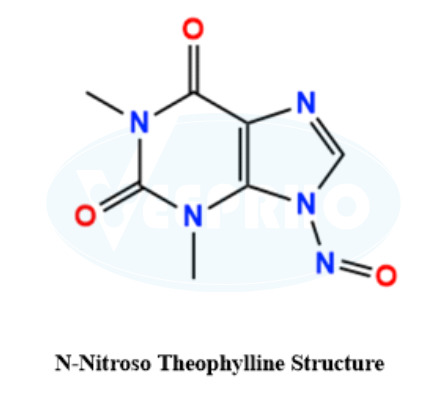
- N-Nitroso Theophylline VE0011721
- N-Nitroso Theophylline; Synthesis Attempts and Failure Report (NAP Test) VE0028242
- N-Nitroso-8-Chlorotheophylline VE0022877
- N7-Nitroso Theophylline VE0024194



1–13 de 13 resultados11 en stock
| Estructura | Nombre del producto |
|---|---|
| N-Nitroso TheophyllineVE0011721 | |
| N-Nitroso-8-ChlorotheophyllineVE0022877 | |
| N7-Nitroso TheophyllineVE0024194 · En stock | |
| Theophylline EP Impurity AN.º CAS 58-08-2 · VL3710002 · En stock | |
| Theophylline EP Impurity BN.º CAS 1076-22-8 · VE006962 · En stock | |
| Theophylline EP Impurity CN.º CAS 7597-60-6 · VE008571 · En stock | |
| Theophylline EP Impurity D (HCl Salt)N.º CAS 116131-08-9 · VE0023640 · En stock | |
| Theophylline EP Impurity EN.º CAS 944-73-0 · VE006974 · En stock | |
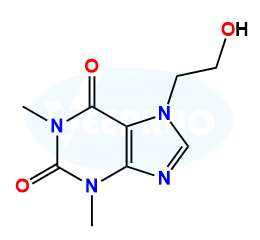 | Theophylline EP Impurity FN.º CAS 519-37-9 · VE009294 · En stock |
| 1-Methyl XanthineN.º CAS 6136-37-4 · VE0021609 · En stock | |
| 2-Bromoethyl AcetateN.º CAS 927-68-4 · VE0020229 · En stock | |
| 7-Ethyl TheophyllineN.º CAS 23043-88-1 · VE0027128 · En stock | |
| 7-MethylxanthinN.º CAS 552-62-5 · VE0017869 · En stock |
Theophylline Acid and Related Compound
Typical API quality specifications control related xanthine impurities such as theobromine (3,7-dimethylxanthine), caffeine (1,3,7-trimethylxanthine), 1-methylxanthine, 3-methylxanthine, xanthine and dimethyluric derivatives. Common acceptance criteria used in manufacture and quality control limit individual related compounds to approximately 0.1 to 0.5 percent by weight and total impurities to about 0.5 to 1.0 percent, with particularly potent or genotoxic impurities restricted at tighter levels often below 0.05 percent. Typical example limits might be theobromine <= 0.2 percent, caffeine <= 0.1 percent, 1-methylxanthine <= 0.2 percent and total related compounds <= 0.5 percent, but exact limits should follow the product specific specification and regulatory filing. Identification and quantitation of these impurities are routinely performed using validated HPLC-UV or LC-MS methods with appropriate system suitability and sensitivity.
Preguntas frecuentes
What is the drug theophylline used for?
Theophylline is used primarily as a bronchodilator in the management of COPD and asthma, often as an adjunct when inhaled therapies are insufficient; it has also been used historically for neonatal apnea and other respiratory indications.
Why is theophylline not used much anymore?
Use has declined because safer and more effective inhaled long-acting bronchodilators and inhaled corticosteroids are available, and theophylline has a narrow therapeutic index, significant drug interactions and variable pharmacokinetics that require monitoring to avoid toxicity.
What is the mechanism of action of theophylline?
Theophylline works by nonselective inhibition of phosphodiesterase enzymes, increasing intracellular cAMP, and by antagonizing adenosine receptors (A1 and A2), producing bronchodilation and central nervous system stimulation; it also has immunomodulatory effects such as enhancing histone deacetylase activity.
What is most likely a side effect of theophylline?
Common side effects include nausea, vomiting, headache, insomnia and palpitations; at higher plasma concentrations patients are at risk for tachyarrhythmias and seizures.