
Impuretés de Capivasertib
Demander un devis pour un ensemble
- Demander un devis pour ce lot
Capivasertib : toutes les impuretés nitrosamines
4 produitsVoir les 4 produits
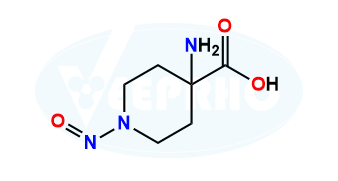
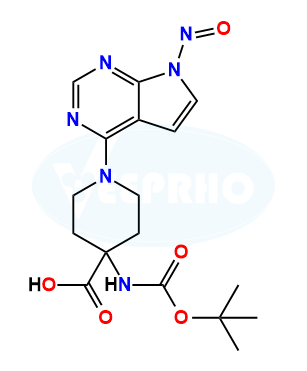
- Capivasertib Nitroso Impurity 1 VE0028831
- Capivasertib Nitroso Impurity 2 VE0024308
- Capivasertib Nitroso Impurity 4 VE0024954
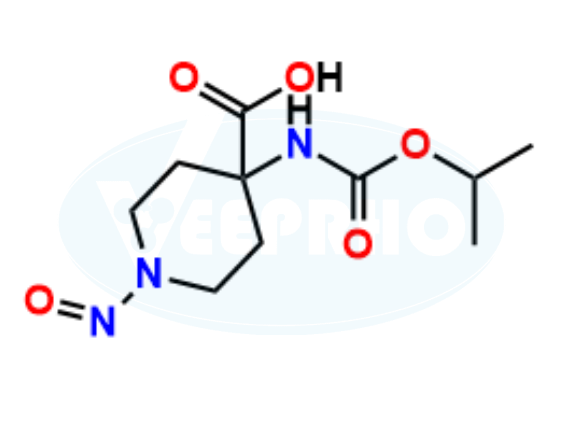
- 4-((isopropoxycarbonyl)amino)-1-nitrosopiperidine-4-carboxylic acid VE0028450
1–7 sur 7 résultats7 en stock
| Structure | Nom du produit |
|---|---|
| Capivasertib Impurity 1N° CAS 956460-96-1 · VE0026244 · En stock | |
| Capivasertib Impurity 2N° CAS 1835762-06-5 · VE0026245 · En stock | |
| Capivasertib Impurity 3N° CAS 1143534-36-4 · VE0026246 · En stock | |
| Capivasertib Nitroso Impurity 1VE0028831 · En stock | |
| Capivasertib Nitroso Impurity 2VE0024308 · En stock | |
| Capivasertib Nitroso Impurity 4VE0024954 · En stock | |
| 4-((isopropoxycarbonyl)amino)-1-nitrosopiperidine-4-carboxylic acidVE0028450 · En stock |
Capivasertib and Related Compound
Typical quality-control and stability profiles for capivasertib as an active pharmaceutical ingredient include identification and quantification of related compounds, process impurities and degradation products by HPLC and LC-MS, with orthogonal testing for residual solvents by GC and elemental impurities by ICP-MS. Common classes of related compounds are synthetic intermediates, positional isomers, N-oxide and oxidized metabolites, dealkylated or demethylated species, and hydrolytic degradation products. A representative specification used in API control sets reporting thresholds at or below 0.05 to 0.10 percent for reporting/identification of individual impurities, acceptance limits for individual related compounds commonly at or below 0.20 percent, and a total impurity limit often at or below 1.0 percent by area. Residual solvents are controlled to ICH Q3C class limits, water content is measured by Karl Fischer titration, and heavy metals are limited to pharmacopeial or ICH Q3D values, for example low ppm levels depending on the manufacturing route and final drug product.
Questions fréquentes
What is capivasertib used for?
Capivasertib is used as an anti-cancer therapy, primarily in clinical and approved regimens for certain types of breast cancer where inhibition of AKT signaling is clinically beneficial. It is given orally and is most often used in combination with endocrine agents or other targeted drugs according to trial protocols or label indications in the applicable jurisdiction.
How much does capivasertib cost?
Cost varies by country, dosing regimen, and whether the product is dispensed through hospital pharmacies or specialty distribution channels. There is no single universal price; out-of-pocket cost depends on insurance coverage, local reimbursement, and available patient assistance programs. For precise pricing obtain a quote from a licensed pharmacy, the manufacturer, or a hospital pharmacy billing office.
What are the risks associated with capivasertib?
Common adverse effects observed with capivasertib include diarrhea, nausea, fatigue, rash, stomatitis, and hyperglycemia. Laboratory abnormalities can include elevated liver enzymes and altered glucose regulation. Serious risks may include severe diarrhea with dehydration, uncontrolled hyperglycemia, and rarely significant organ toxicity. Monitoring typically includes blood glucose, liver function tests, and clinical assessment for dermatologic and gastrointestinal toxicity. Management strategies include dose interruption or reduction and supportive care per prescribing information.
Is capivasertib FDA approved?
Regulatory approval status varies by region and can change over time. For the most current authorization status in the United States consult the U.S. Food and Drug Administration database or the official prescribing information from the manufacturer.