


Carvedilol 1-Hydroxy 1-O-beta-D-Glucuronide
Parent: Carvedilol


Carvedilol 4-Hydroxy Metabolite
Parent: Carvedilol

Carvedilol 8-Hydroxy 8-O-beta-D-Glucuronide
Parent: Carvedilol

Carvedilol Bisalkyl Pyro-Catechol Derivative
Parent: Carvedilol

Carvedilol Biscarbazole Impurity
Parent: Carvedilol


Carvedilol EP Impurity E (HCl Salt)
Parent: Carvedilol

Carvedilol for system suitability CRS (Y0001426)
Parent: Carvedilol

Carvedilol Impurity 11 (HCl)
Parent: Carvedilol


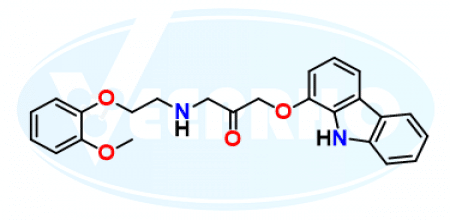
Carvedilol Ketone Impurity (HCl Salt)
Parent: Carvedilol

Carvedilol N-beta-D-Glucuronide
Parent: Carvedilol

Carvedilol O-Desmethyl Impurity
Parent: Carvedilol

Carvedilol O-Desmethyl O-Aminoethyl Impurity
Parent: Carvedilol

Carvedilol O-Desmethyl O-Benzyl Impurity
Parent: Carvedilol

Carvedilol p-Benzyloxy Impurity
Parent: Carvedilol

Carvedilol Propanediol Impurity
Parent: Carvedilol


Carvedilol Related Compound E (HCl Salt) (Monohydrate salt)
Parent: Carvedilol

Carvedilol Related Compound F
Parent: Carvedilol

Carvedilol Working Standard (Secondary Reference Standard)
Parent: Carvedilol


Carvidilol O-Demthyl Impurity (HBr Salt)
Parent: Carvedilol


N-Nitroso-4-Hydroxy Carbazole Carvedilol
Parent: Carvedilol


Carvedilol Related Compound
During the production and storage of Carvedilol, related compounds and impurities may form, which must be carefully controlled to ensure the medication’s safety and efficacy. Regulatory guidelines establish acceptable impurity levels to maintain product quality.
Key aspects of Carvedilol-related compounds and impurities include:
- Related Substances: These are chemically related compounds that may form during synthesis or degradation. Monitoring and controlling these ensures the medication’s therapeutic effectiveness.
- Degradation Products: Exposure to environmental factors such as light, heat, or moisture can lead to degradation products, which may affect the stability and potency of Carvedilol.
- Residual Solvents: Trace amounts of solvents used in the manufacturing process may remain in the final product. These are regulated to ensure they remain within safe limits.
Advanced analytical techniques, such as High-Performance Liquid Chromatography (HPLC), are employed to detect and quantify Carvedilol-related compounds and impurities, ensuring compliance with stringent quality standards.
FAQ
Avoid consuming alcohol while taking Carvedilol, as it can amplify the medication’s effects and cause dizziness or fainting. Also, avoid sudden position changes to reduce the risk of dizziness from blood pressure drops.
Before starting Carvedilol, healthcare providers should assess blood pressure, heart rate, and kidney and liver function. Patients with conditions like asthma or severe heart block may require alternative treatments.
Carvedilol should be taken with food to slow its absorption and reduce the risk of side effects like dizziness. Patients should be closely monitored for signs of low blood pressure, slow heart rate, or worsening heart failure.
No, Carvedilol should not be stopped abruptly as it can cause a rapid increase in heart rate or blood pressure, and in some cases, lead to chest pain or a heart attack. Always consult your doctor before discontinuing the medication.