
Impuretés de Hydroxychloroquine
Demander un devis pour un ensemble
- Demander un devis pour ce lot
Hydroxychloroquine : toutes les impuretés Ph. Eur.
12 produitsVoir les 12 produits
- Hydroxychloroquine EP Impurity A VE005938
CAS 1449223-88-4 - Hydroxychloroquine EP Impurity B VE0014930
- Hydroxychloroquine EP Impurity B (Free Base) VE005945
CAS 103152-84-7 - Hydroxychloroquine EP Impurity B (Na Salt) VL3670002
- Hydroxychloroquine EP Impurity C VE005939
CAS 4298-15-1 - Hydroxychloroquine EP Impurity D VE005940
CAS 1476-52-4 - Hydroxychloroquine EP Impurity D VE0014931
- Hydroxychloroquine EP Impurity D VE0014934
CAS 15912-96-6 - Hydroxychloroquine EP Impurity D VE0014935
- Hydroxychloroquine EP Impurity E VE005942
CAS 10500-64-8 - Hydroxychloroquine EP Impurity F VE005943
CAS 6281-58-9 - Hydroxychloroquine EP Impurity G VE005944
CAS 86-98-6
- Hydroxychloroquine EP Impurity A VE005938
- Demander un devis pour ce lot
Hydroxychloroquine : toutes les impuretés USP
5 produitsVoir les 5 produits
- Hydroxychloroquine EP Impurity D VE005940
CAS 1476-52-4 - Hydroxychloroquine EP Impurity D VE0014931
- Hydroxychloroquine EP Impurity D VE0014934
CAS 15912-96-6 - Hydroxychloroquine EP Impurity D VE0014935
- Hydroxychloroquine EP Impurity G VE005944
CAS 86-98-6
- Hydroxychloroquine EP Impurity D VE005940
- Demander un devis pour ce lot
Hydroxychloroquine : toutes les impuretés nitrosamines
6 produitsVoir les 6 produits
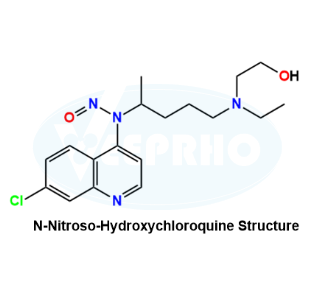
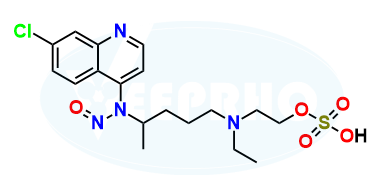
- N-Nitroso Hydroxychloroquine VE007645
- N-Nitroso-Hydroxychloroquine; Synthesis Attempts and Failure Report (NAP Test) VE0027669
- N-Nitroso Hydroxychloroquine EP Impurity B VE0024797
- N-Nitroso Hydroxychloroquine EP Impurity C VE0024798
- N-Nitroso Hydroxychloroquine EP Impurity D VE0024783
- N-Nitroso Hydroxychloroquine-O-Acetate VE0024784

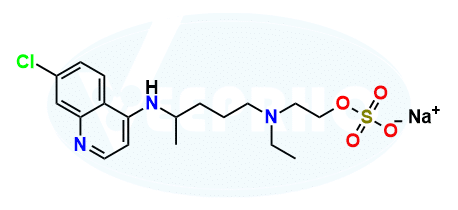

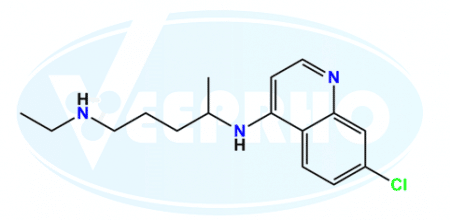
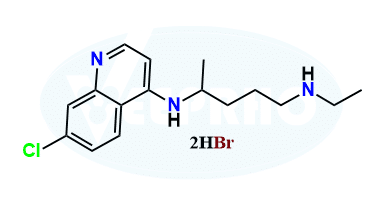
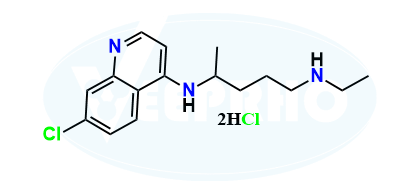

1–32 sur 32 résultats30 en stock

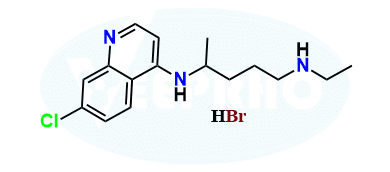
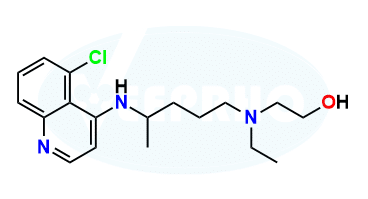
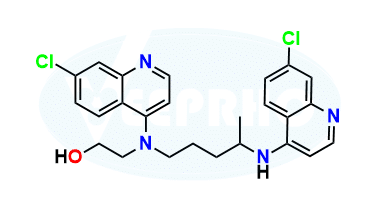

Hydroxychloroquine Impurities and Related Compound
Typical quality specifications for hydroxychloroquine active pharmaceutical ingredient include assay acceptance around 98.0 to 102.0 percent on a dried basis and related-substance limits established to control safety-relevant impurities; commonly applied limits are individual related impurities not more than 0.10 percent and total related impurities not more than 0.50 percent, with reporting thresholds in line with ICH Q3A/Q3B guidance (for many dosage levels the reporting threshold is 0.05 percent and qualification thresholds are higher depending on maximum daily dose); known related compounds and metabolites to monitor by validated HPLC or LC-MS methods include desethylhydroxychloroquine, bisdesethylhydroxychloroquine, desethylchloroquine, hydroxychloroquine N-oxide, and process-related quinoline intermediates such as 4,7-dichloroquinoline or related aminoquinoline species, each controlled by identified impurity limits, identification and qualification strategies, and appropriate specification acceptance criteria based on toxicological assessment.
Questions fréquentes
What is hydroxychloroquine used for?
Hydroxychloroquine is used to prevent and treat certain forms of malaria and is also prescribed as a disease-modifying antirheumatic drug for conditions such as rheumatoid arthritis and systemic lupus erythematosus to reduce disease activity and flares by immunomodulatory mechanisms.
What is the downside of taking hydroxychloroquine?
Potential downsides include dose- and duration-related retinal toxicity that can cause irreversible vision loss if not monitored, rare but serious cardiotoxicity including conduction abnormalities and QT prolongation, gastrointestinal upset, skin reactions, neuromuscular effects such as myopathy, and drug interactions; risk mitigation requires baseline and periodic ophthalmologic exams and monitoring for cardiac and hepatic issues as clinically indicated.
Is hydroxychloroquine a steroid or antibiotic?
Hydroxychloroquine is neither a steroid nor an antibiotic; it is classified as an antimalarial with immunomodulatory and antirheumatic properties that affect intracellular pathways and immune signaling rather than acting as a corticosteroid or antibacterial agent.
What should I avoid while taking hydroxychloroquine?
Avoid concomitant use of other medications known to prolong the QT interval without medical supervision, report any visual changes promptly and attend recommended ophthalmic screening, inform clinicians of preexisting cardiac, hepatic, or retinal disease, and follow guidance on alcohol and other hepatotoxic agents; do not stop or start other prescription medicines without consulting the prescribing clinician.