

L-Lysine Diethylamide (HCl Salt)
Parent: Alanine/ Lysine

Lysine Acetate Working Standard (Secondary Reference Standard)
Parent: Lysine / Lysine Acetate

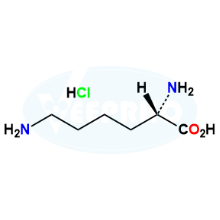
Lysine Hydrochloride Working Standard (Secondary Reference Standard)
Parent: Lysine / Lysine Hydrochloride


Lysine Impurity 5 (Fumarate Salt)
Parent: Lysine


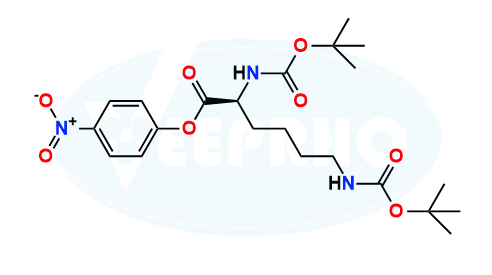
N2,N6-Di-Boc-L-Lysine 4-Nitrophenyl Ester
Parent: Lysine


Lysine Impurities and Related Compound
Typical high purity L-lysine material specifications used in food, feed and pharmaceutical contexts are expressed as assay and impurity limits; representative values for L-lysine monohydrochloride or L-lysine powder are assay 98.0 to 99.5 percent on a dry basis, loss on drying or moisture 0.5 to 2.0 percent, total related substances or organic impurities commonly under 1.5 percent, individual related amino acids (for example arginine, glutamate, alanine) generally reported below 0.3 to 0.5 percent each, D-lysine content typically under 0.5 percent, biogenic amines such as cadaverine and putrescine controlled below about 0.05 percent, and heavy metals specified as total heavy metals below 10 parts per million with lead commonly limited to 1 part per million or less. Related commercial compounds and derivatives include L-lysine monohydrochloride, lysine sulfate, lysine acetate and N-acetyl-lysine; each has distinct counterion or modification and analytical profiles that affect chloride, sulfate or acetate content and thus require separate specification.
FAQ
High lysine foods include animal proteins such as beef, pork, poultry, fish, eggs and dairy products like cheese and yogurt. Among plant sources, legumes including lentils, chickpeas, and soy products such as tofu and tempeh are relatively rich in lysine compared with most grains. Combining legumes with cereals can help achieve a balanced dietary amino acid profile.
Lysine functions as an essential building block for protein synthesis, contributes to structural protein cross linking in connective tissue, and serves as a substrate for biosynthetic pathways such as carnitine formation. Its basic side chain mediates electrostatic interactions in proteins and is a site for regulatory post translational modifications that control protein activity, localization and degradation.
Current evidence does not support the claim that lysine universally stops viral shedding. Some in vitro studies and small clinical trials have examined lysine supplementation for herpes simplex virus and reported reductions in symptom frequency or lesion formation in some individuals, but results are mixed and do not demonstrate that lysine reliably prevents viral replication or shedding. Antiviral medications remain the primary treatment for reducing viral shedding and transmission, and any use of supplements should be discussed with a healthcare professional.
Lysine supports normal protein assembly and tissue repair, helps maintain nitrogen balance, and contributes to the synthesis of compounds such as carnitine. It is important for growth, immune function and collagen integrity. In dietary contexts lysine is used to correct amino acid imbalances, particularly in cereal based diets that are relatively low in lysine.