
Impuretés de Oxytetracycline
Demander un devis pour un ensemble
- Demander un devis pour ce lot
Oxytetracycline : toutes les impuretés Ph. Eur.
8 produitsVoir les 8 produits
- Oxytetracycline EP Impurity A VL1960003
CAS 14206-58-7 - Oxytetracycline EP Impurity B VE0016947
CAS 60-54-8 - Oxytetracycline EP Impurity B (HCl Salt) VE0028398
CAS 64-75-5 - Oxytetracycline EP Impurity C VL1960004
CAS 7647-65-6 - Oxytetracycline EP Impurity D VL1960001
CAS 18695-01-7 - Oxytetracycline EP Impurity E VL1960002
CAS 18751-99-0 - Oxytetracycline EP Impurity F VE0010378
CAS 4660-26-8 - Oxytetracycline EP Impurity F (HCl Salt) VE0022947
CAS 51596-09-9
- Oxytetracycline EP Impurity A VL1960003
- Demander un devis pour ce lot
Oxytetracycline : toutes les impuretés nitrosamines
2 produitsVoir les 2 produits


1–9 sur 9 résultats8 en stock
| Structure | Nom du produit |
|---|---|
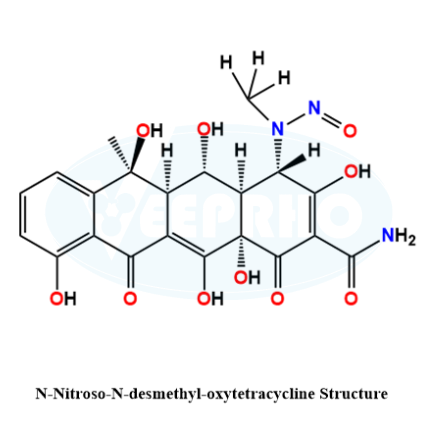
| N-Nitroso-N-desmethyl-oxytetracyclineVE0018727 | |
| Oxytetracycline EP Impurity AN° CAS 14206-58-7 · VL1960003 · En stock | |
| Oxytetracycline EP Impurity BN° CAS 60-54-8 · VE0016947 · En stock | |
| Oxytetracycline EP Impurity B (HCl Salt)N° CAS 64-75-5 · VE0028398 · En stock | |
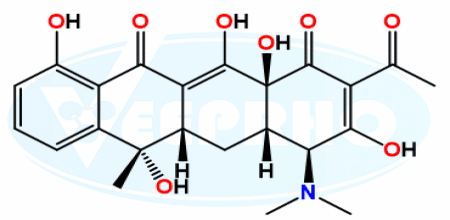 | Oxytetracycline EP Impurity CN° CAS 7647-65-6 · VL1960004 · En stock |
| Oxytetracycline EP Impurity DN° CAS 18695-01-7 · VL1960001 · En stock | |
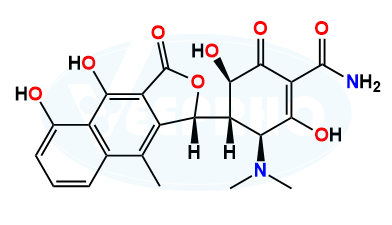 | Oxytetracycline EP Impurity EN° CAS 18751-99-0 · VL1960002 · En stock |
| Oxytetracycline EP Impurity FN° CAS 4660-26-8 · VE0010378 · En stock | |
| Oxytetracycline EP Impurity F (HCl Salt)N° CAS 51596-09-9 · VE0022947 · En stock |
Oxytetracycline Related Compound
During the production and storage of oxytetracycline, impurities may develop that need to be carefully monitored to ensure the medication’s safety and efficacy. Regulatory agencies such as the U.S. Food and Drug Administration (FDA) and the European Medicines Agency (EMA) have set guidelines for permissible levels of impurities in pharmaceutical products.
FAQ
Questions fréquentes
What is oxytetracycline used for?
Oxytetracycline is used to treat a wide range of bacterial infections in both humans and animals. It is prescribed for respiratory tract infections, skin infections (such as acne), ear and eye infections, urinary tract infections, and gonorrhea. Although its use has declined due to bacterial resistance, oxytetracycline remains important in treating certain infections, especially in veterinary medicine and agriculture.
What is the difference between tetracycline and oxytetracycline?
Tetracycline and oxytetracycline are both antibiotics from the tetracycline class, but they differ in their pharmacokinetics and duration of action. Oxytetracycline has a longer half-life and is more commonly used in veterinary medicine and agriculture, while tetracycline is primarily used in human medicine. Both drugs work by inhibiting bacterial protein synthesis, but oxytetracycline is often preferred for certain infections due to its extended activity and broader applications, especially in veterinary and agricultural settings.
Is oxytetracycline a pesticide?
Yes, oxytetracycline is used as a pesticide in agriculture to control bacterial diseases in plants. It is applied to crops such as apples, pears, and other fruits to prevent or manage bacterial infections like fire blight. While its primary use is as an antibiotic in human and veterinary medicine, its ability to control bacterial pathogens makes it valuable in agricultural applications as well.
Can humans take oxytetracycline?
Yes, oxytetracycline is prescribed for human use to treat bacterial infections. It is available in various forms, including tablets, capsules, and topical solutions. Common conditions treated with oxytetracycline in humans include respiratory tract infections, acne, and urinary tract infections. However, it is important to take oxytetracycline under the guidance of a healthcare provider, as misuse can lead to antibiotic resistance or other side effects.