
Aripiprazole不純物
セットの見積依頼
- このセットの見積もりを依頼
AripiprazoleのEP不純物一覧
9製品9製品を見る
- Aripiprazole EP Impurity A VL197010
CAS 22246-18-0 - Aripiprazole EP Impurity B VL197013
CAS 119532-26-2 - Aripiprazole EP Impurity B (Free Base) VE006771
CAS 41202-77-1 - Aripiprazole EP Impurity C VL197012
CAS 203395-81-7 - Aripiprazole EP Impurity D VL197009
CAS 203395-82-8 - Aripiprazole EP Impurity E VL197007
CAS 129722-25-4 - Aripiprazole EP Impurity E (HCl Salt) VE006772
CAS 1008531-60-9 - Aripiprazole EP Impurity F VL197008
CAS 573691-09-5 - Aripiprazole EP Impurity G (Free Base) VL197001
CAS 1797986-18-5
- Aripiprazole EP Impurity A VL197010
- このセットの見積もりを依頼
AripiprazoleのUSP不純物一覧
12製品12製品を見る
- Aripiprazole Chlorobutoxy Quinoline VL197018
- Aripiprazole Diquinoline Butanediol Impurity VL197011
CAS 882880-12-8 - Aripiprazole EP Impurity A VL197010
CAS 22246-18-0 - Aripiprazole EP Impurity B VL197013
CAS 119532-26-2 - Aripiprazole EP Impurity B (Free Base) VE006771
CAS 41202-77-1 - Aripiprazole EP Impurity E VL197007
CAS 129722-25-4 - Aripiprazole EP Impurity E (HCl Salt) VE006772
CAS 1008531-60-9 - Aripiprazole EP Impurity F VL197008
CAS 573691-09-5 - Aripiprazole EP Impurity G (Free Base) VL197001
CAS 1797986-18-5 - Aripiprazole Impurity 7 (HCl Salt) VE0012334
- Aripiprazole Related Compound B VL197014
CAS 889443-20-3 - Aripiprazole Related Compound H VL197015
CAS 1796928-63-6
- このセットの見積もりを依頼
Aripiprazoleのニトロソアミン不純物一覧
4製品4製品を見る
- N-Nitroso Aripiprazole VE0012611
- N-Nitroso Aripiprazole EP Impurity B VE0019292
CAS 2989508-28-1 - N-Nitroso Aripiprazole EP Impurity F VE0024325
- N-Nitroso Aripiprazole Indanone Impurity VE0024326
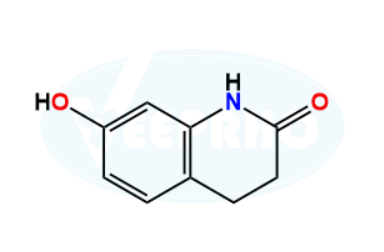


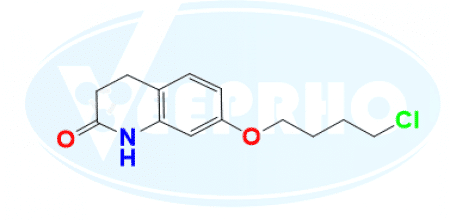


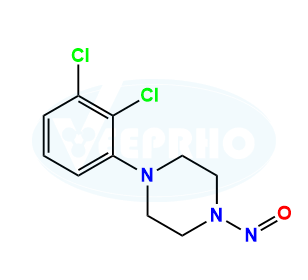
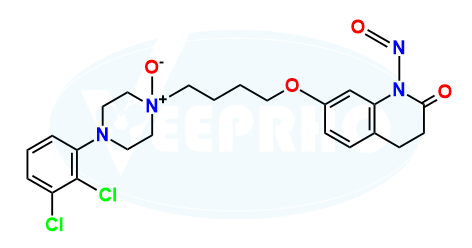
55件中 1~50件54 在庫あり
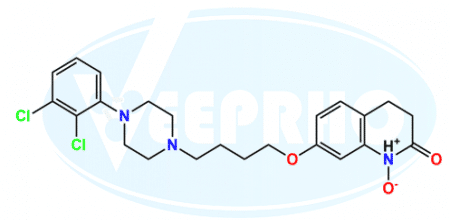
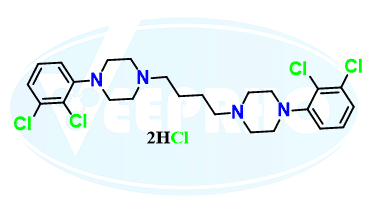
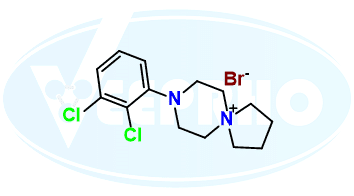
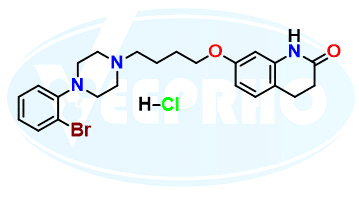
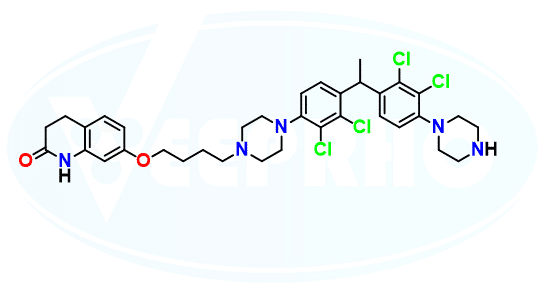
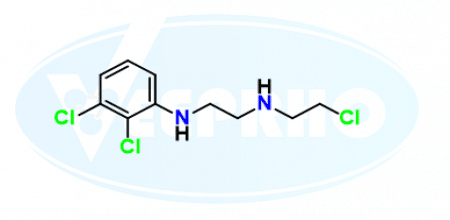

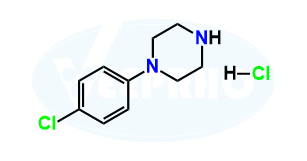


Aripiprazole Related Compound
As with all pharmaceutical products, impurities may develop in aripiprazole during its manufacturing, storage, or handling. Regulatory authorities like the U.S. FDA and EMA enforce stringent guidelines to monitor and control these impurities, ensuring the medication’s safety, efficacy, and quality.
Types of Impurities in Aripiprazole
Related Substances These are chemically related compounds or byproducts formed during the synthesis of aripiprazole. Monitoring these related substances ensures the drug’s purity and therapeutic effectiveness. Degradation Products Aripiprazole may degrade over time due to exposure to environmental factors such as light, heat, or moisture. Proper storage conditions are crucial to prevent degradation and maintain the medication’s stability. Residual Solvents Trace amounts of solvents used during manufacturing may remain in the final product. Regulatory standards ensure these solvents are within permissible limits to minimize risks to patients. Analytical Techniques for Monitoring Impurities Techniques like High-Performance Liquid Chromatography (HPLC) and Mass Spectrometry (LC-MS) are commonly used to detect and quantify impurities, ensuring aripiprazole meets stringent safety and quality standards.
よくある質問
What is aripiprazole mainly used for?
Aripiprazole is primarily used to treat schizophrenia, bipolar I disorder, irritability associated with autism spectrum disorder, Tourette syndrome, and as adjunctive therapy for major depressive disorder. It helps manage symptoms like psychosis, mood swings, irritability, and tics.
Is aripiprazole a Xanax?
No, aripiprazole is not Xanax. Xanax (alprazolam) is a benzodiazepine used to treat anxiety and panic disorders, whereas aripiprazole is a second-generation antipsychotic used to manage psychiatric conditions such as schizophrenia and bipolar disorder.
What does aripiprazole do to your brain?
Aripiprazole works by balancing dopamine and serotonin activity in the brain. It acts as a partial agonist at dopamine D2 and serotonin 5-HT1A receptors while antagonizing serotonin 5-HT2A receptors. This helps reduce symptoms of psychosis, stabilize mood, and improve cognitive and emotional functioning.
What are the benefits of taking aripiprazole?
The benefits of aripiprazole include improved mood stability, reduced psychotic symptoms, decreased irritability, and better overall functioning in individuals with conditions like schizophrenia, bipolar disorder, or autism spectrum disorder. It is generally well-tolerated and has a lower risk of certain side effects, such as weight gain or sedation, compared to older antipsychotic medications.