
Imidocarb不純物
セットの見積依頼
- このセットの見積もりを依頼
Imidocarbのニトロソアミン不純物一覧
3製品3製品を見る
- Imidocarb Nitroso Impurity 2 VE0023889
- N-Nitroso Imidocarb VE0023885
- N-Nitroso Imidocarb Dipropionate VE0023887
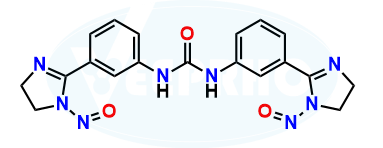
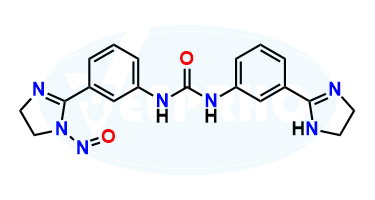
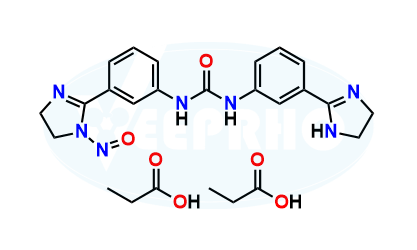
5件中 1~5件5 在庫あり
| 構造 | 製品名 |
|---|---|
| Imidocarb Dipropionate Impurity 1VE0023884 · 在庫あり | |
 | Imidocarb Impurity 3 (Dipropionate Salt)VE0015120 · 在庫あり |
| Imidocarb Nitroso Impurity 2VE0023889 · 在庫あり | |
| N-Nitroso ImidocarbVE0023885 · 在庫あり | |
| N-Nitroso Imidocarb DipropionateVE0023887 · 在庫あり |
Imidocarb Impurities and Related Compound
Typical pharmaceutical quality specifications for imidocarb active pharmaceutical ingredient use validated analytical limits to control impurities and related compounds. Example specification parameters include assay by HPLC at 98.0 percent minimum, water content below 0.5 percent by KF, total related substances not more than 1.5 percent, and any single unspecified impurity not more than 0.5 percent. Known related substances that are monitored include dealkylated derivatives, N-oxide species, and hydrolysis products; individual levels for these known impurities are commonly controlled to 0.1 to 0.3 percent each depending on the impurity profile, with any degradation product above reporting thresholds investigated and qualified. Residual solvents are controlled to ICH Q3C limits, heavy metals to pharmacopeial limits (for example 10 to 20 ppm depending on the test method), and microbial and endotoxin limits are set for sterile injectable preparations as required by compendial standards.
よくある質問
What is imidocarb used for?
Imidocarb is used to treat protozoal infections in animals, most notably babesiosis caused by Babesia species, and other bloodborne protozoa. It clears parasitemia and reduces clinical signs associated with these infections, and is used according to species specific protocols under veterinary supervision.
Is imidocarb injection safe for dogs?
When administered at the correct dose and route under veterinary guidance, imidocarb injections are commonly used in dogs and are generally effective. Adverse reactions can occur and include transient pain at the injection site, salivation, vomiting, diarrhea, increased respiration, and in some cases cholinergic signs. Safety depends on correct dosing, animal health status, and appropriate premedication or monitoring. A veterinarian should determine suitability and monitor for side effects.
Why is atropine given before imidocarb?
Atropine is an anticholinergic agent given before imidocarb in some protocols to reduce cholinergic adverse effects such as salivation, abdominal cramping, vomiting, and bradycardia that can occur after imidocarb administration. Premedication with atropine is intended to mitigate these vagal and muscarinic responses, improving tolerability during and after injection.
How long does imidocarb last?
The duration of therapeutic effect depends on the parasite species, infection severity, and dosing regimen. Clinical improvement can be seen within days, but sterile cure may require follow up and in some cases repeat dosing. Pharmacokinetic persistence in plasma is limited compared with the duration of antiparasitic effect, so some treatment protocols use repeat administration at defined intervals, typically days to weeks apart, as directed by a veterinarian.