
Lymecycline不純物
セットの見積依頼
- このセットの見積もりを依頼
LymecyclineのEP不純物一覧
10製品10製品を見る
- Anhydrotetracycline hydrochloride VL4230002
CAS 13803-65-1 - Lymecycline EP Impurity A VE008792
CAS 79-85-6 - Lymecycline EP Impurity C VE0010239
CAS 1665-56-1 - Lymecycline EP Impurity D VE0010240
CAS 7518-17-4 - Lymecycline EP Impurity D (HCl Salt) VE009389
CAS 4465-65-0 - Lymecycline EP Impurity G VE008305
CAS 57-62-5 - Oxytetracycline EP Impurity B VE0016947
CAS 60-54-8 - Oxytetracycline EP Impurity B (HCl Salt) VE0028398
CAS 64-75-5 - 2-Acetyl-2-decarbamoyltetracycline VL4230005
CAS 6542-44-5 - 4-Epitetracycline hydrochloride VL4230007
CAS 23313-80-6
- Anhydrotetracycline hydrochloride VL4230002
- このセットの見積もりを依頼
LymecyclineのUSP不純物一覧
3製品3製品を見る
- Anhydrotetracycline hydrochloride VL4230002
CAS 13803-65-1 - Lymecycline EP Impurity D (HCl Salt) VE009389
CAS 4465-65-0 - 4-Epitetracycline hydrochloride VL4230007
CAS 23313-80-6
- Anhydrotetracycline hydrochloride VL4230002



10件中 1~10件10 在庫あり
| 構造 | 製品名 |
|---|---|
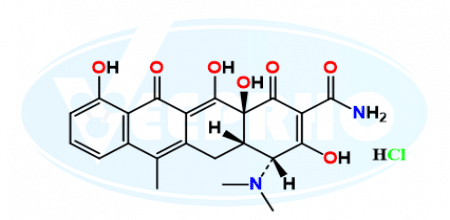
| Anhydrotetracycline hydrochlorideCAS番号 13803-65-1 · VL4230002 · 在庫あり | |
| Lymecycline EP Impurity ACAS番号 79-85-6 · VE008792 · 在庫あり | |
| Lymecycline EP Impurity CCAS番号 1665-56-1 · VE0010239 · 在庫あり | |
| Lymecycline EP Impurity DCAS番号 7518-17-4 · VE0010240 · 在庫あり | |
| Lymecycline EP Impurity D (HCl Salt)CAS番号 4465-65-0 · VE009389 · 在庫あり | |
| Lymecycline EP Impurity GCAS番号 57-62-5 · VE008305 · 在庫あり | |
| Oxytetracycline EP Impurity BCAS番号 60-54-8 · VE0016947 · 在庫あり | |
| Oxytetracycline EP Impurity B (HCl Salt)CAS番号 64-75-5 · VE0028398 · 在庫あり | |
| 2-Acetyl-2-decarbamoyltetracyclineCAS番号 6542-44-5 · VL4230005 · 在庫あり | |
| 4-Epitetracycline hydrochlorideCAS番号 23313-80-6 · VL4230007 · 在庫あり |
Lymecycline and Related Compound
Typical impurity and related-substance control for lymecycline API is established by pharmacopoeial monographs and manufacturer specifications and follows ICH Q3 guidelines for related substances and ICH M7 for mutagenic impurities. Known related compounds and degradation products include tetracycline base, epitetracycline isomers, anhydrotetracycline-type dehydration products and lysine-linked degradation fragments; manufacturers commonly set individual specified impurity limits in the range of up to 0.1 to 0.5 percent w/w for named degradants and impurities, with total related substances typically limited to about 1.0 to 2.0 percent w/w depending on the monograph and risk assessment. Residual solvents, heavy metals and water content are controlled to pharmacopeial limits, and any impurity with genotoxic potential is set at substantially lower thresholds based on permitted daily exposure. Exact acceptance criteria should be confirmed against the supplying batch certificate of analysis and the applicable pharmacopeial specification.
よくある質問
What is lymecycline used for?
Lymecycline is used orally to treat infections caused by tetracycline-sensitive organisms; common indications include inflammatory acne and rosacea, and it may be prescribed for certain respiratory tract, urinary tract and soft-tissue infections when susceptibility is known. Therapy selection should follow clinical guidelines and susceptibility data.
Does Lymecycline clear skin?
Lymecycline can reduce inflammatory lesions and improve acne through antibacterial and anti-inflammatory effects, but response is gradual; many patients see meaningful improvement after several weeks. It is usually part of a combined regimen with topical agents and skin-targeted measures rather than a standalone instant cure.
How long to use lymecycline for acne?
Typical courses for moderate inflammatory acne are at least 6 to 12 weeks to assess effectiveness, with many clinicians treating for about three months and then reassessing; the goal is the shortest effective duration consistent with clinical improvement and antimicrobial stewardship. Maintenance strategies often switch to topical therapies when possible.
What to avoid when taking Lymecycline?
Avoid taking lymecycline with dairy products, antacids, calcium, iron or magnesium supplements within two to three hours because these reduce absorption; avoid excessive sun exposure due to increased photosensitivity risk; it is contraindicated or not recommended in pregnancy and in young children because of effects on teeth and bone; and concurrent use with systemic retinoids should be avoided because of a potential increased risk of intracranial hypertension. Consult the prescriber or product information for full precautions and drug interaction details.