
Sertraline不純物
セットの見積依頼
- このセットの見積もりを依頼
SertralineのEP不純物一覧
11製品11製品を見る
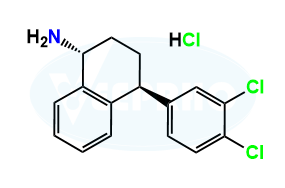
- Sertraline EP Impurity A (Free Base) VE006651
CAS 79836-45-6 - Sertraline EP Impurity A (HCl Salt) VL196009
CAS 79617-99-5 (HCl salt) - Sertraline EP Impurity B VE0015048
CAS 52758-03-9 - Sertraline EP Impurity B (HCl Salt) VL196001
CAS 52758-05-1 - Sertraline EP Impurity C VL196008
CAS 79559-98-1 - Sertraline EP Impurity C (Free Base) VE006652
CAS 107538-91-0 - Sertraline EP Impurity D VE006438
CAS 871838-58-3 - Sertraline EP Impurity D (HCl salt) VL196007
- Sertraline EP Impurity F VL196002
CAS 155748-61-1 - Sertraline EP Impurity G (Free Base) VL196004
CAS 79617-98-4 - Sertraline EP Impurity G (HCl Salt) VL196003
CAS 79645-15-1
- Sertraline EP Impurity A (Free Base) VE006651
- このセットの見積もりを依頼
SertralineのUSP不純物一覧
8製品8製品を見る
- Sertraline EP Impurity A (Free Base) VE006651
CAS 79836-45-6 - Sertraline EP Impurity A (HCl Salt) VL196009
CAS 79617-99-5 (HCl salt) - Sertraline EP Impurity B VE0015048
CAS 52758-03-9 - Sertraline EP Impurity B (HCl Salt) VL196001
CAS 52758-05-1 - Sertraline EP Impurity C VL196008
CAS 79559-98-1 - Sertraline EP Impurity C (Free Base) VE006652
CAS 107538-91-0 - Sertraline EP Impurity D VE006438
CAS 871838-58-3 - Sertraline EP Impurity F VL196002
CAS 155748-61-1
- Sertraline EP Impurity A (Free Base) VE006651
- このセットの見積もりを依頼
Sertralineのニトロソアミン不純物一覧
6製品6製品を見る
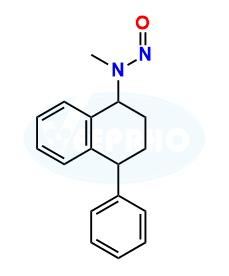
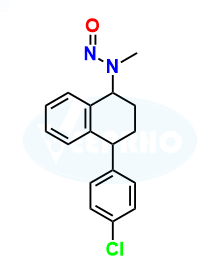
- N-Nitroso Sertraline EP Impurity A VE0024616
- N-Nitroso Sertraline EP Impurity B VE0024633
- N-Nitroso Sertraline EP Impurity C VE0024635
- N-Nitroso Sertraline EP Impurity D VE0028417
- N-Nitroso Sertraline EP Impurity G VE0024636
- N-Nitroso Sertraline Impurity VE007388
CAS 3006789-98-3
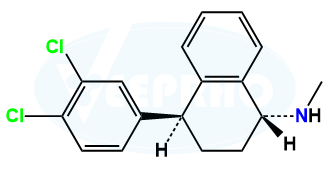
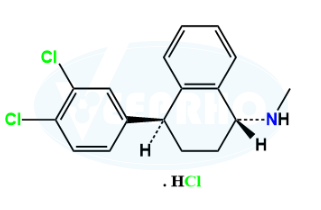
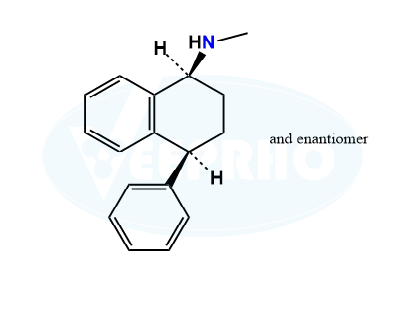
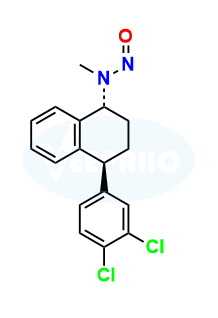
35件中 1~35件34 在庫あり

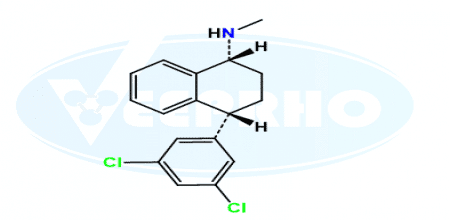


Sertraline Related Compound
During the production and storage of Sertraline, related compounds and impurities may form, which must be controlled to ensure the drug’s safety and efficacy. Regulatory authorities, such as the U.S. Food and Drug Administration (FDA), provide guidelines on permissible impurity levels in Sertraline formulations. Key aspects of Sertraline-related compounds and impurities include:
- Related Substances: These are chemically similar compounds that may form during the synthesis of Sertraline. Monitoring these related substances is critical to maintain the medication’s safety and effectiveness.
- Degradation Products: Sertraline may degrade over time due to environmental factors such as heat, light, or moisture. These degradation products, which may include related compounds, can impact the drug’s potency and safety.
- Residual Solvents: Trace amounts of solvents used during manufacturing may remain in the final product. Regulatory standards specify acceptable limits to ensure patient safety.
Advanced analytical techniques, such as High-Performance Liquid Chromatography (HPLC), are used to detect and quantify Sertraline-related compounds and impurities, ensuring compliance with stringent safety and quality standards.
よくある質問
What exactly does Sertraline do?
Sertraline works by increasing the levels of serotonin, a neurotransmitter, in the brain. This helps regulate mood, reduce symptoms of anxiety and depression, and improve emotional stability. It is effective in treating conditions like depression, OCD, PTSD, and social anxiety.
What are the pros and cons of Sertraline?
Pros: Effective in treating a variety of mood and anxiety disorders. Generally well-tolerated with manageable side effects. Non-habit-forming compared to some other medications. Cons: Possible side effects include nausea, fatigue, dry mouth, and sexual dysfunction. May take several weeks to show full effects. Risk of withdrawal symptoms if stopped abruptly.
Does Sertraline help with anger?
Yes, Sertraline can help manage anger and irritability, especially if these symptoms are associated with depression, anxiety, or other mood disorders. It helps stabilize mood by increasing serotonin levels in the brain.
Is 50 mg of Sertraline strong?
50 mg is a standard starting dose for Sertraline and is often effective for many individuals. However, the dosage may be adjusted based on the condition being treated and the patient’s response to the medication. Higher doses may be required for more severe symptoms, under a doctor’s guidance.