
Thiamine不純物
セットの見積依頼
- このセットの見積もりを依頼
ThiamineのEP不純物一覧
19製品19製品を見る
- Thiamine EP Impurity A VL3280001
CAS 2380-61-2 - Thiamine EP Impurity A (Chloride Salt) VE0022690
CAS 15743-04-1 - Thiamine EP Impurity A (HCl Salt) VE0019540
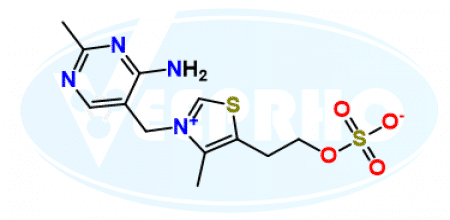
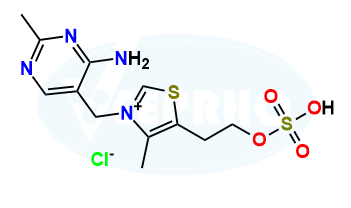
- Thiamine EP Impurity A (Sulfate Salt) VE0019310
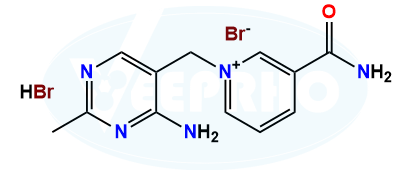
CAS 2882-75-9 - Thiamine EP Impurity B (Bromide HBr) VE0019304
- Thiamine EP Impurity B (chloride) VE0021262
CAS 7770-93-6 - Thiamine EP Impurity B (Free Base) VE008941
CAS 7771-57-5 - Thiamine EP Impurity B (HCl Salt) VE0011501
CAS 49614-72-4 - Thiamine EP Impurity C VE008943
CAS 20166-17-0 - Thiamine EP Impurity C VE0015178
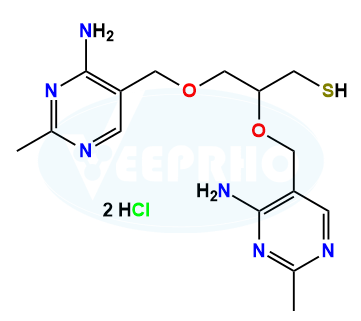
CAS 7275-24-3 - Thiamine EP Impurity C (Dihydrochloride Salt) VE0021263
- Thiamine EP Impurity D VE0018020
CAS 490-82-4 - Thiamine EP Impurity E VE0019318
CAS 299-35-4 - Thiamine EP Impurity F VE0019300
CAS 10593-44-9 - Thiamine EP Impurity F (Bromide HBr) VE0019340
CAS 6309-04-2 - Thiamine EP Impurity F (Chloride) VE0021264
CAS 3505-34-8 - Thiamine EP Impurity F Chloride (HCl Salt) VE0019539
CAS 4102-72-1 - Thiamine EP Impurity G VE0017888
CAS 1037-29-2 - Thiamine EP Impurity H VE0019344
CAS 89285-03-0
- Thiamine EP Impurity A VL3280001
- このセットの見積もりを依頼
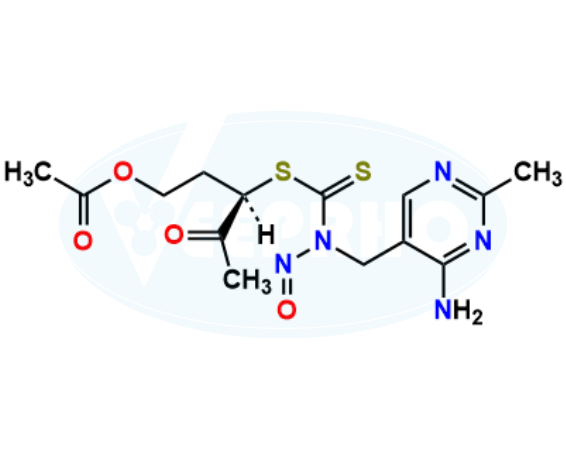
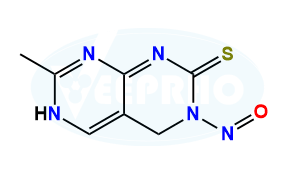
Thiamineのニトロソアミン不純物一覧
3製品

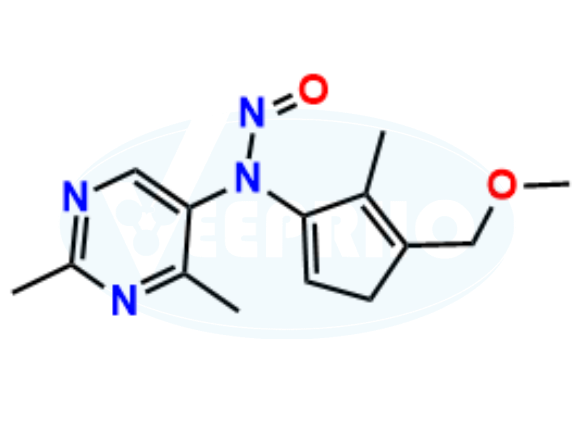
47件中 1~47件42 在庫あり
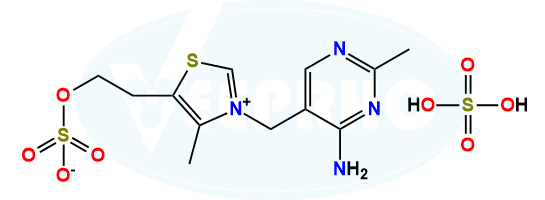


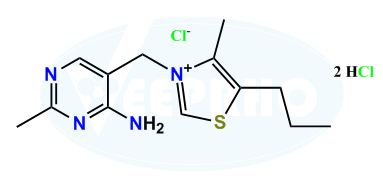

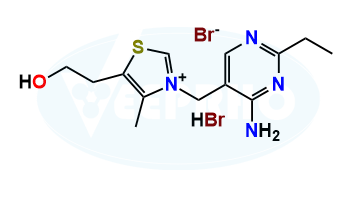
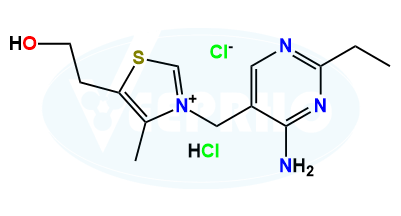
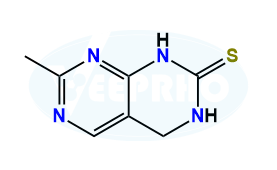
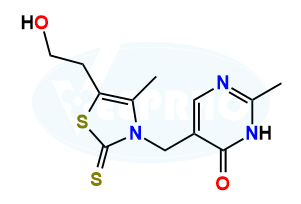
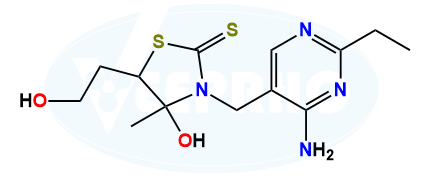

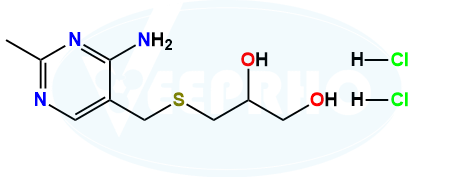
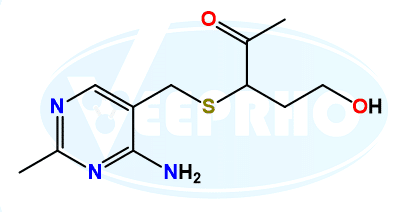
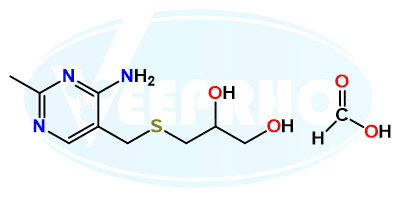
Thiamine Related Compound
Impurities in Thiamine can arise from chemical synthesis, degradation, or storage conditions. Regulatory agencies such as the FDA, ICH, and EMA enforce strict impurity limits to ensure product safety and efficacy.
Types of Impurities in Thiamine
Process-Related Impurities • Unreacted intermediates from chemical synthesis • Residual solvents (e.g., ethanol, methanol, dichloromethane) • By-products from manufacturing reactions Degradation Impurities • Oxidation products due to exposure to oxygen or light • Hydrolysis impurities caused by moisture • Thermal degradation products from high-temperature storage Elemental Impurities • Heavy metals from production processes • Trace levels of arsenic, cadmium, lead, and mercury Analytical Techniques for Impurity Detection • High-Performance Liquid Chromatography (HPLC) • Gas Chromatography (GC) • Mass Spectrometry (MS) • Fourier-Transform Infrared Spectroscopy (FT-IR)
よくある質問
What is Thiamine used to treat?
Thiamine is used to treat and prevent: • Thiamine deficiency (Beriberi) – A condition caused by severe vitamin B1 deficiency. • Wernicke-Korsakoff Syndrome (WKS) – A neurological disorder linked to chronic alcohol use. • Peripheral neuropathy – Helps improve nerve function in conditions like diabetes-related neuropathy. • Heart disease – Supports cardiovascular health and normal heart function. • Metabolic disorders – Essential for carbohydrate metabolism and energy production
Is Thiamine Vitamin B12?
No, Thiamine is Vitamin B1, while Vitamin B12 (Cobalamin) is a different B vitamin involved in red blood cell production and nerve function. Both are essential, but they serve different functions in the body.
What is the main function of Thiamine?
The primary functions of Thiamine include: • Energy metabolism – Helps convert carbohydrates into energy. • Nerve function – Supports healthy nerve signaling and muscle coordination. • Brain health – Aids in cognitive function and memory. • Heart and muscle function – Supports the cardiovascular system and muscle activity.
Why do we give Thiamine to alcoholics?
Chronic alcohol use can lead to Thiamine deficiency, increasing the risk of Wernicke-Korsakoff Syndrome (WKS), a severe neurological disorder affecting memory, coordination, and brain function. Alcohol also interferes with thiamine absorption, making supplementation necessary for prevention and treatment.