
Atomoxetine 불순물
세트 견적 요청
- 이 세트 견적 요청
Atomoxetine의 EP 불순물 전체
11개 제품11개 제품 보기
- Atomoxetine EP Impurity A (Free Base) VE007285
CAS 56161-70-7 - Atomoxetine EP Impurity A (HCl Salt) VE006841
CAS 873310-33-9 - Atomoxetine EP Impurity B (HCl Salt) VE0011252
CAS 82857-39-4 - Atomoxetine EP Impurity C (Free Base) VE007289
CAS 56161-78-5 - Atomoxetine EP Impurity C (HCl) VE007288
CAS 873310-31-7 - Atomoxetine EP Impurity D (Free Base) VE0020508
CAS 1643684-02-9 - Atomoxetine EP Impurity F VE007290
CAS 1010818-92-4 - Atomoxetine EP Impurity F VE0014525
CAS 2727370-25-2 - Atomoxetine EP Impurity G VE007291
- Atomoxetine EP Impurity H (R-Isomer) VE0012939
CAS 115290-81-8 - Fluoxetine EP Impurity A VL1780001
CAS 42142-52-9
- Atomoxetine EP Impurity A (Free Base) VE007285
- 이 세트 견적 요청
Atomoxetine의 USP 불순물 전체
6개 제품6개 제품 보기
- Atomoxetine EP Impurity C (Free Base) VE007289
CAS 56161-78-5 - Atomoxetine EP Impurity C (HCl) VE007288
CAS 873310-31-7 - Atomoxetine EP Impurity D (Free Base) VE0020508
CAS 1643684-02-9 - Atomoxetine EP Impurity D (HCl) VE0012405
CAS 1643684-05-2 - Atomoxetine EP Impurity H (R-Isomer) VE0012939
CAS 115290-81-8 - Fluoxetine EP Impurity A VL1780001
CAS 42142-52-9
- Atomoxetine EP Impurity C (Free Base) VE007289
- 이 세트 견적 요청
Atomoxetine의 니트로사민 불순물 전체
7개 제품7개 제품 보기
- N-Nitroso Atomoxetine VE007664
CAS 3028194-77-3 - N-Nitroso Atomoxetine EP Impurity A VE0021913
- N-Nitroso Atomoxetine EP Impurity C VE0021915
- N-Nitroso Atomoxetine EP Impurity D VE0021916
- N-Nitroso Atomoxetine EP Impurity G VE0021917
- N-Nitroso Atomoxetine EP Impurity H VE0021914
- N-Nitroso Atomoxetine Impurity F VE0021918
- N-Nitroso Atomoxetine VE007664


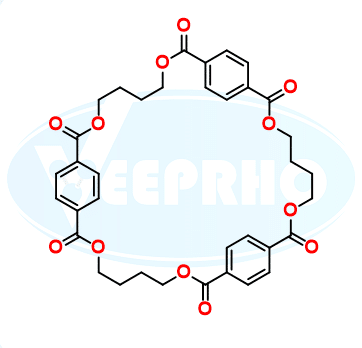

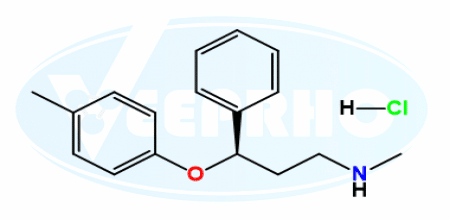
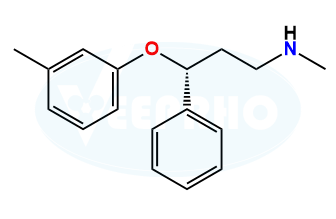
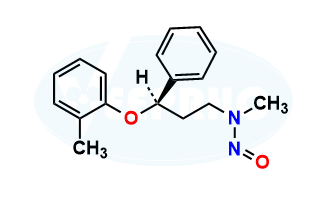
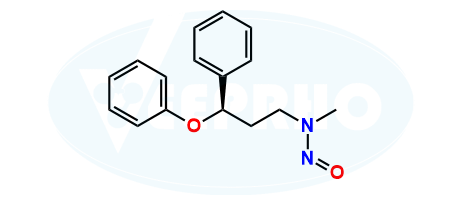
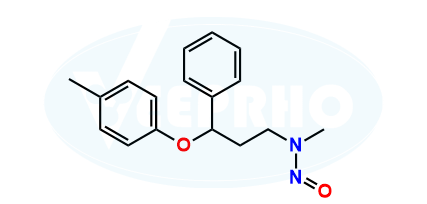
37개 중 1–3736 재고 있음
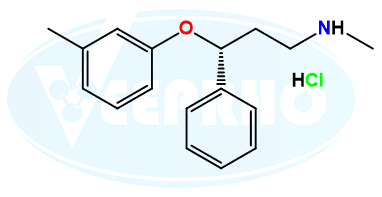


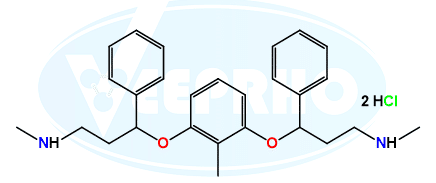

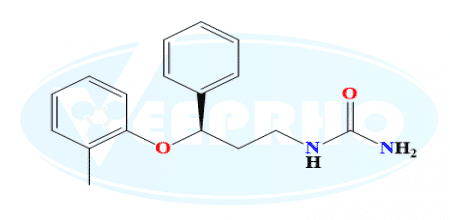

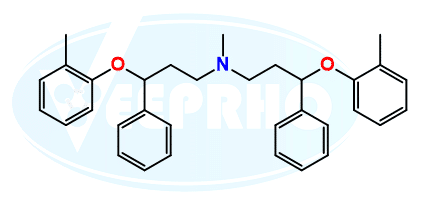
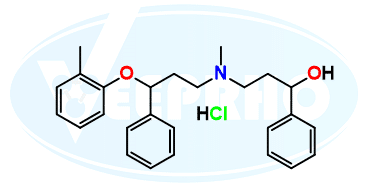
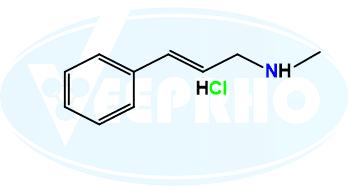
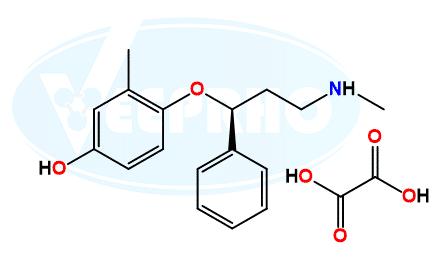
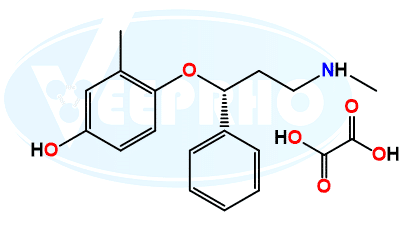
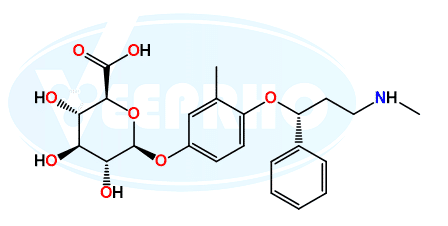
Atomoxetine and Related Compound
Typical analytical control for atomoxetine API targets an assay of at least 98.0 percent and monitors related substances by validated HPLC or LC-MS methods; routinely monitored related compounds include N-desmethyl-atomoxetine (major metabolite), 4-hydroxy-atomoxetine, 4-hydroxy-N-desmethyl-atomoxetine, positional isomers and residual synthetic intermediates. Representative release limits used in supplier specifications are: N-desmethyl-atomoxetine ≤0.30 percent, 4-hydroxy-atomoxetine ≤0.20 percent, 4-hydroxy-N-desmethyl-atomoxetine ≤0.10 percent, individual unspecified impurities typically ≤0.05 to 0.10 percent, and total impurities commonly controlled to ≤1.0 to 2.0 percent depending on the risk assessment and regulatory filing. Residual solvents are controlled per ICH Q3C with class-specific ppm limits and elemental impurities per ICH Q3D with limits in the low ppm range; final product specifications should reference the applicable regulatory monograph and validated stability data.
자주 묻는 질문
What is the drug atomoxetine used for?
Atomoxetine is prescribed primarily for the treatment of ADHD to reduce inattention, hyperactivity and impulsivity; it is also used off-label or investigated for related attention disorders such as cognitive disengagement syndrome and may be used as monotherapy or as part of a comprehensive treatment plan.
Is atomoxetine a stimulant or depressant?
Atomoxetine is neither a classical stimulant nor a depressant; it is a non-stimulant selective norepinephrine reuptake inhibitor with low abuse potential and a pharmacologic profile distinct from stimulants.
Is atomoxetine the same as Ritalin?
No, atomoxetine is not the same as Ritalin. Ritalin is the brand name for methylphenidate, a central nervous system stimulant with a different mechanism of action, onset of effect, side effect profile and abuse potential.
Do you gain weight on atomoxetine?
Weight effects vary by individual. Weight loss is more commonly reported, especially during initial treatment in children, but weight gain can occur in some patients over longer periods. Patients should have weight monitored and discuss changes with their prescriber.