
Baricitinib 불순물
18개 중 1–1818 재고 있음
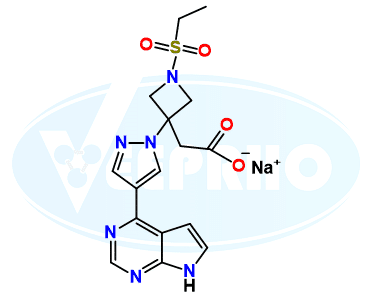
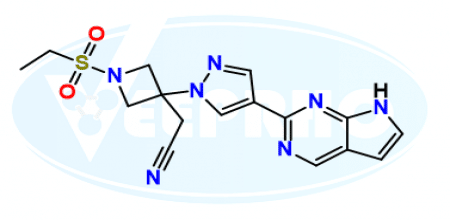
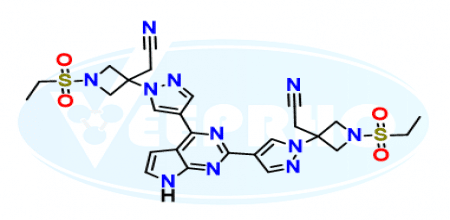
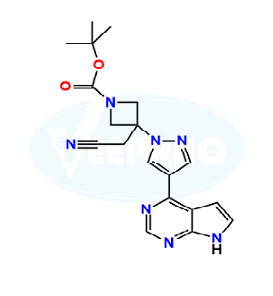
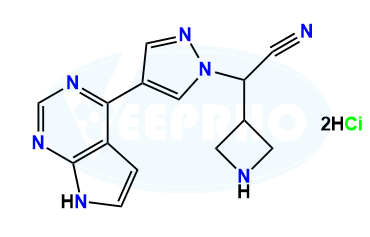
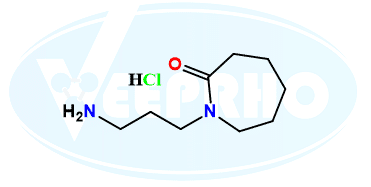
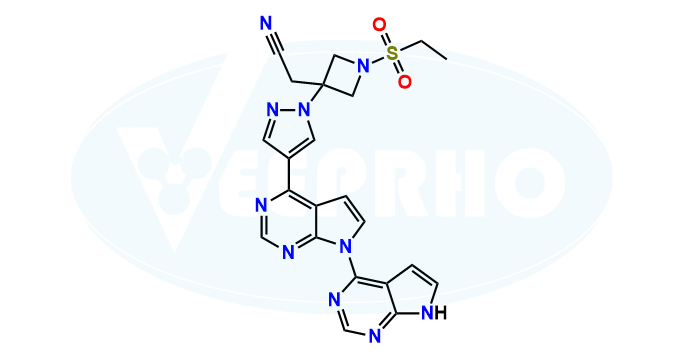
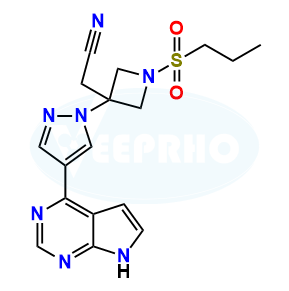
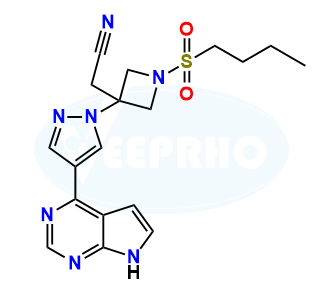
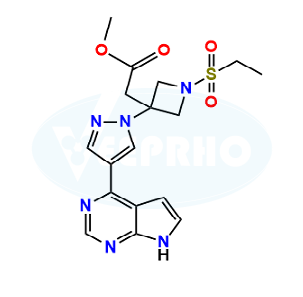
Baricitinib Impurities and Related Compound
Typical quality specifications for baricitinib active pharmaceutical ingredient include defined limits for individual and total impurities in line with regulatory guidance and risk-based impurity control: individual unspecified impurities generally not to exceed 0.10 percent w/w, identified related compounds often limited to 0.50 percent w/w or lower depending on safety assessment, and total impurities commonly limited to 1.0 percent w/w as a general specification; thresholds for identification and qualification follow ICH principles tied to maximum daily dose. Residual solvents are controlled to ICH Q3C class limits, elemental impurities are controlled per ICH Q3D with typical limits in the low parts per million range, and specific degradants of concern are monitored by validated HPLC and mass spectrometry methods. Suppliers commonly list acceptance criteria for prominent related substances, for example related compound 1 and related compound 2 at or below 0.50 percent each, with tighter limits for genotoxic or mutagenic impurities requiring qualification well below 0.10 percent.
자주 묻는 질문
What is the drug baricitinib used for?
Baricitinib is used to treat moderate to severe rheumatoid arthritis, to manage certain cases of alopecia areata, and has been authorized for short-term treatment in hospitalized patients with severe COVID-19 to reduce disease progression in combination with standard care, with use guided by clinical indication, dosing adjustments and safety monitoring.
Is baricitinib expensive?
Cost varies by country, payer coverage and whether a branded product or generic is used; branded Olumiant tends to be more expensive, while generic suppliers and bulk API pricing reduce cost for manufacturers, but out of pocket patient expense depends on insurance and local pricing.
Is baricitinib a hazardous drug?
Baricitinib requires handling controls during manufacturing and compounding because of pharmacological activity; hazard controls include appropriate personal protective equipment, containment to limit inhalation and dermal exposure, validated cleaning procedures, and occupational safety assessments to mitigate exposure risks, with workplace limits established by company safety protocols.
What are the most common side effects of baricitinib?
The most frequently reported adverse effects include upper respiratory tract infections, nasopharyngitis, nausea and headache, with additional safety considerations such as increased risk of serious infections, changes in laboratory parameters including elevated liver enzymes and lipid changes, and hematologic effects requiring periodic monitoring.