Brexpiprazole is an atypical antipsychotic used to treat schizophrenia in adults and children 13 years and older. It is also prescribed as an adjunctive treatment for major depressive disorder (MDD) in combination with antidepressants. Brexpiprazole works by modulating dopamine and serotonin receptors, helping to balance neurotransmitter activity in the brain. It is marketed under the brand name Rexulti and is known for having fewer side effects, such as less sedation and lower risk of extrapyramidal symptoms, compared to older antipsychotics.

Parent: Brexpiprazole

Parent: Brexpiprazole

Parent: Brexpiprazole

Parent: Brexpiprazole

Parent: Brexpiprazole

Parent: Brexpiprazole

Parent: Brexpiprazole

Parent: Brexpiprazole

Parent: Brexpiprazole

Parent: Brexpiprazole

Parent: Brexpiprazole

Parent: Brexpiprazole

Parent: Brexpiprazole

Parent: Brexpiprazole

Parent: Brexpiprazole

Parent: Brexpiprazole

Parent: Brexpiprazole

Parent: Brexpiprazole

Parent: Brexpiprazole

Parent: Brexpiprazole
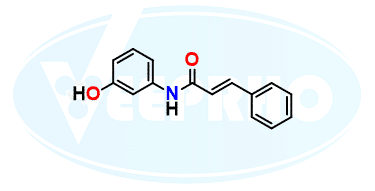
Parent: Brexpiprazole

Parent: Brexpiprazole
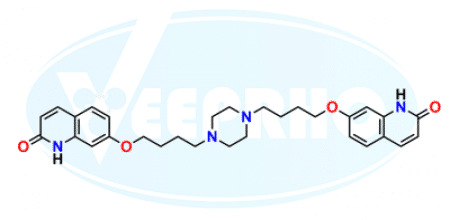
Parent: Brexpiprazole
Impurities in Brexpiprazole can arise due to synthetic processes, degradation, or storage conditions. Regulatory bodies like the FDA, EMA, and ICH enforce impurity limits to ensure safety and efficacy.
Process-Related Impurities
• Unreacted intermediates from chemical synthesis
• Residual solvents (e.g., methanol, ethanol, dichloromethane)
• By-products of manufacturing reactions
Degradation Impurities
• Oxidation by-products due to air or light exposure
• Hydrolysis impurities from moisture exposure
• Thermal degradation compounds at high temperatures
Elemental Impurities
• Heavy metal traces from catalysts used in synthesis
• Residual levels of lead, arsenic, cadmium, and mercury
Analytical Techniques for Impurity Detection
• High-Performance Liquid Chromatography (HPLC)
• Gas Chromatography (GC)
• Fourier-Transform Infrared Spectroscopy (FT-IR)
• Mass Spectrometry (MS)
• Schizophrenia – It helps manage symptoms like hallucinations, delusions, and disorganized thinking.
• Major Depressive Disorder (MDD) (adjunctive treatment) – Used alongside antidepressants to improve depression symptoms in patients with partial response to traditional treatment.
• It is also being studied for other psychiatric conditions, including agitation in Alzheimer’s disease.
• Brexpiprazole is not classified as a traditional mood stabilizer like lithium or valproate.
• However, it is used as an adjunct for treating depression, suggesting some mood-stabilizing effects.
• It modulates serotonin and dopamine receptors, which can help regulate mood in patients with bipolar disorder or depression.
• No, Brexpiprazole is not approved for ADHD.
• It is used for schizophrenia and depression, but not as a primary treatment for attention-deficit hyperactivity disorder (ADHD).
• Some studies suggest that dopamine-modulating drugs might help with ADHD symptoms, but Brexpiprazole is not a first-line treatment.
• Brexpiprazole and Aripiprazole (Abilify) are similar but not the same.
• Both are partial dopamine agonists but have different receptor binding profiles:
o Brexpiprazole has a lower intrinsic activity on dopamine receptors, making it less likely to cause restlessness (akathisia) or excessive stimulation.
o Aripiprazole is known for being more activating and may have a higher risk of side effects like impulsivity or restlessness.
• Brexpiprazole is often better tolerated in patients sensitive to side effects of Aripiprazole.


